Bornite is a Cu₅FeS₄ copper-iron sulfide. It can occur with chalcopyrite, chalcocite and other copper sulfides; its familiar iridescent tarnish is not a substitute for mineralogical identification.
- Formula / structure
- Cu₅FeS₄
- Ore role
- Copper-rich sulfide mineral
- Preparation focus
- Liberation from other Cu sulfides and gangue
What is Bornite and how does it occur in ore?
Bornite can occur in primary hydrothermal assemblages or in supergene-enriched zones. That setting can change the proportions of chalcopyrite, chalcocite and gangue found with it.
Why should bornite not be identified from colour alone?
Oxidation can give bornite colours that resemble surface films on other copper minerals. Flowsheet work should rely on confirmed mineral phases and grain associations rather than appearance alone.
Which behaviour matters during ore preparation?
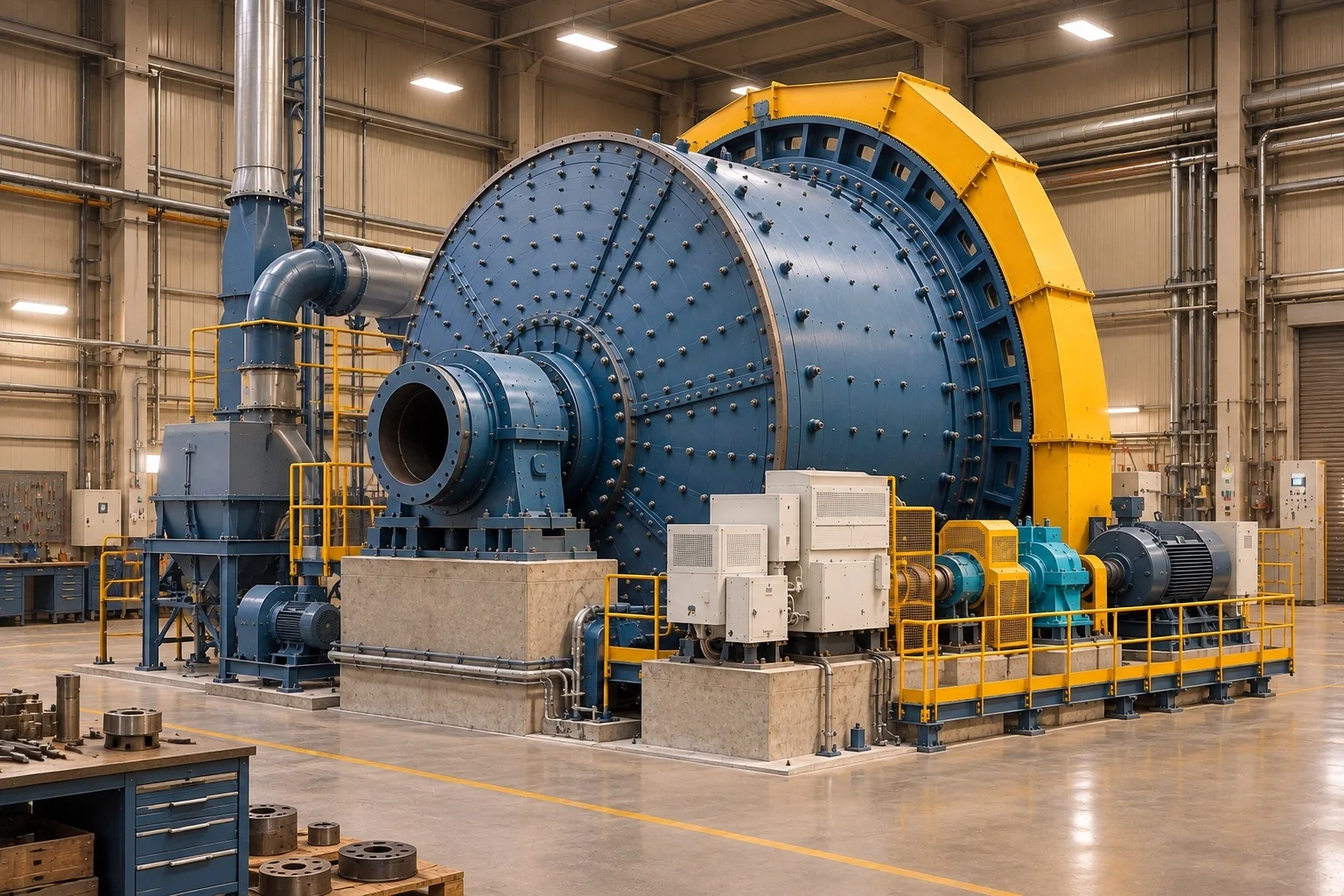
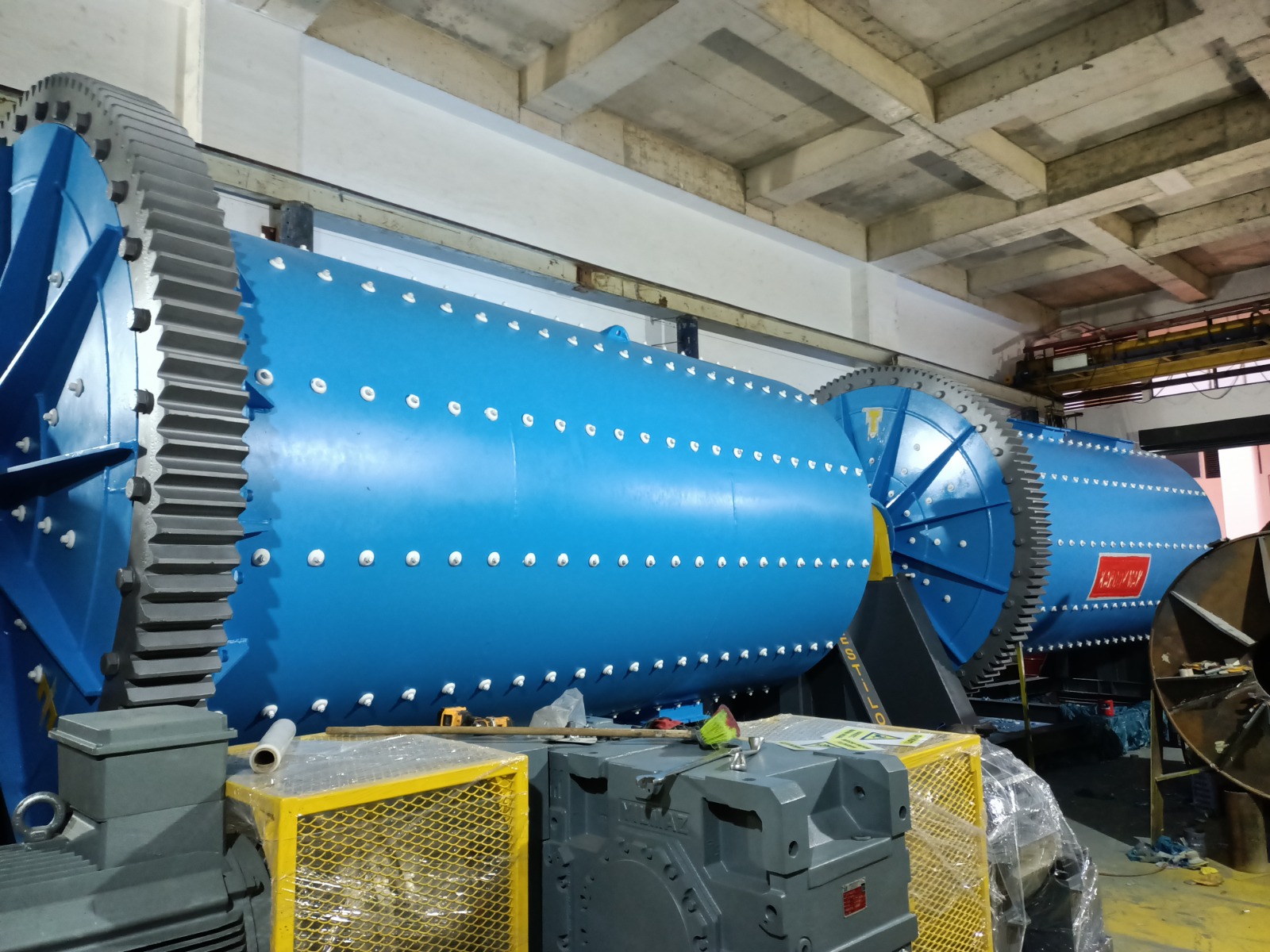
Grinding should address bornite-chalcopyrite or bornite-gangue locking. At fine sizes, separation depends on mineral-specific flotation behaviour, so bulk copper assays alone are not enough.
Supergene-enriched ores can contain zoned mixtures of copper sulfides. Size-by-size and mineral-specific copper distribution provides a stronger basis for circuit decisions.
Which inputs should be verified?
- Bornite-to-chalcopyrite ratio
- Chalcocite and other Cu sulfides
- Liberation size
- Copper distribution by size fraction
- Degree of oxidation