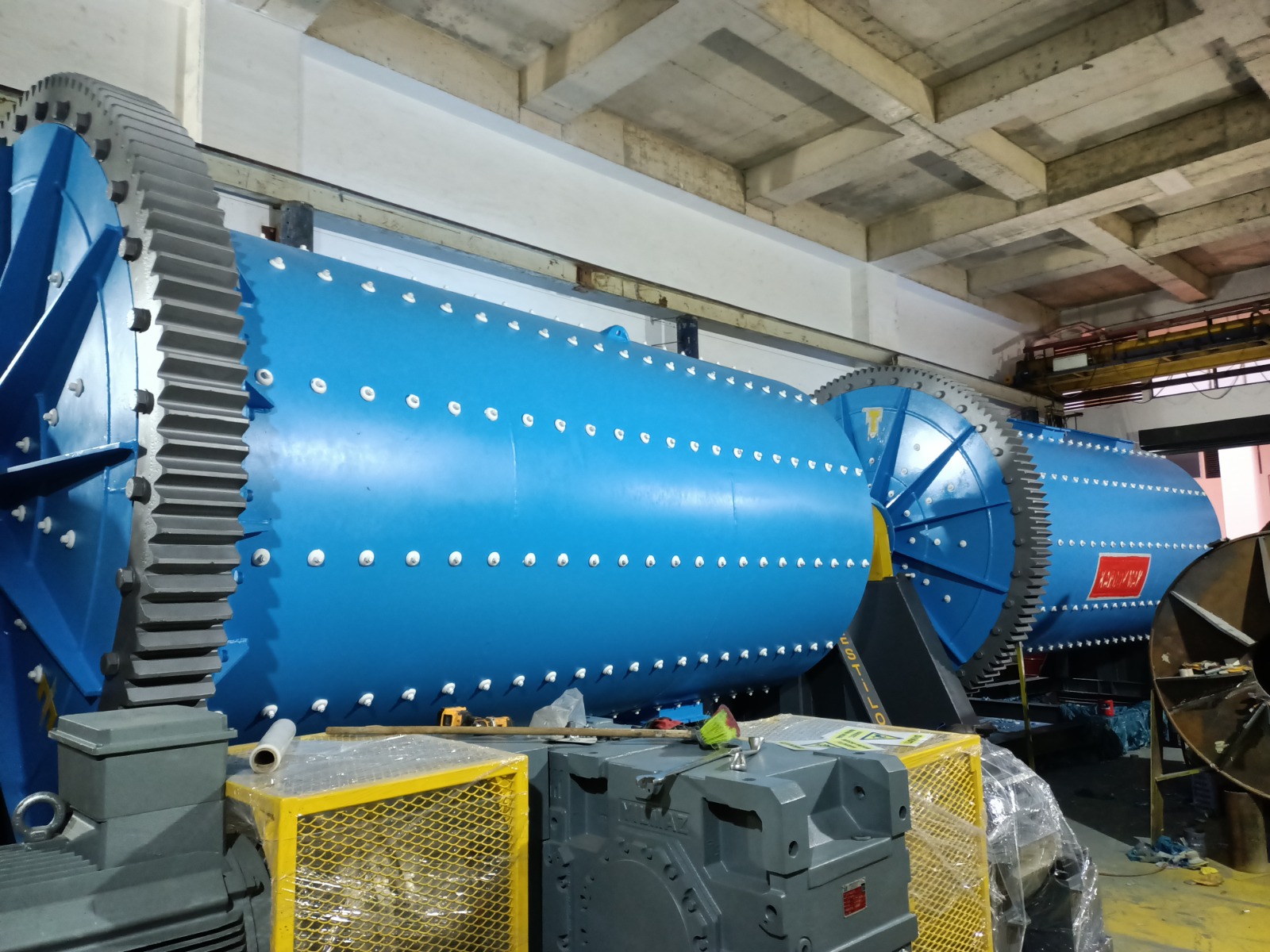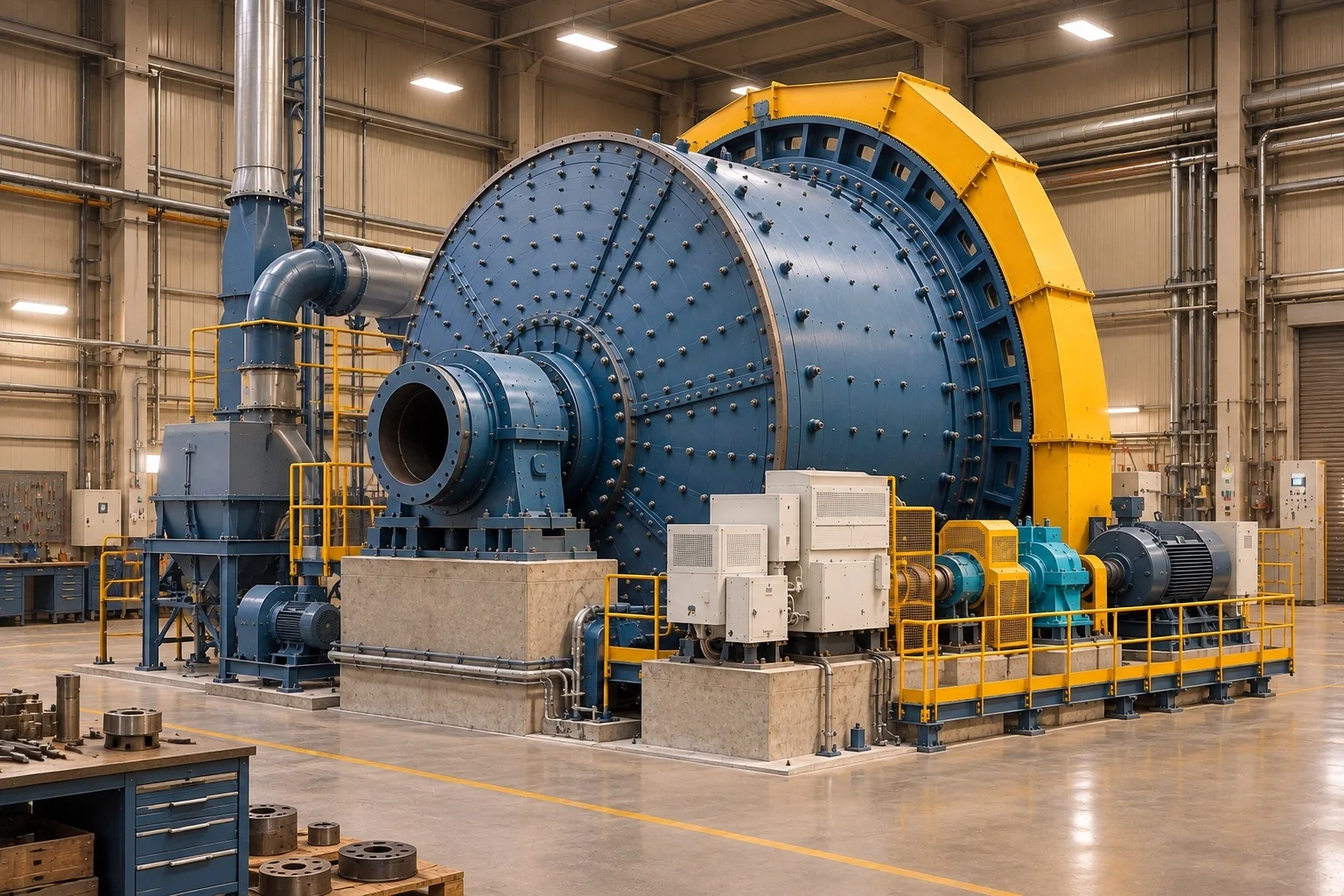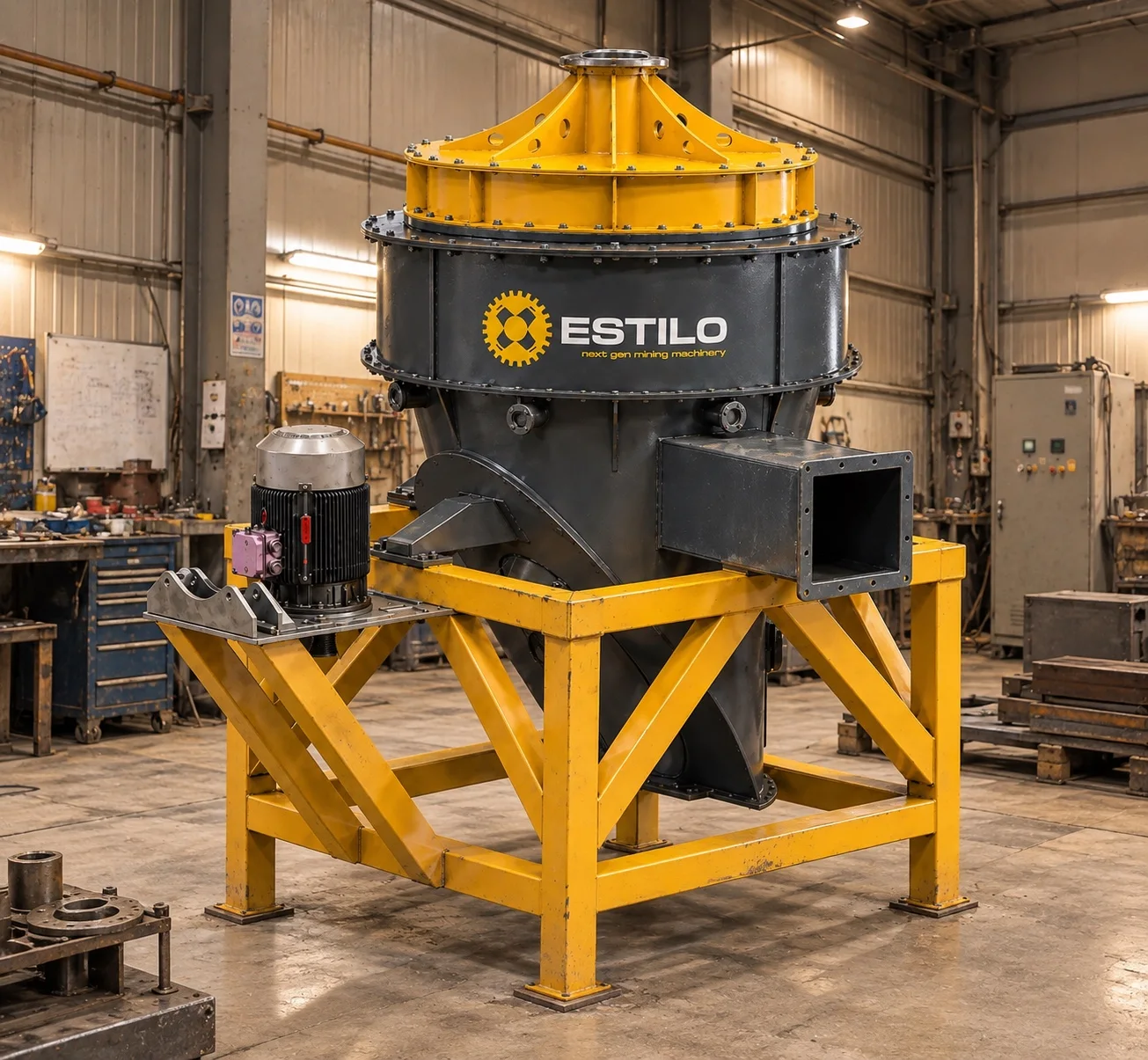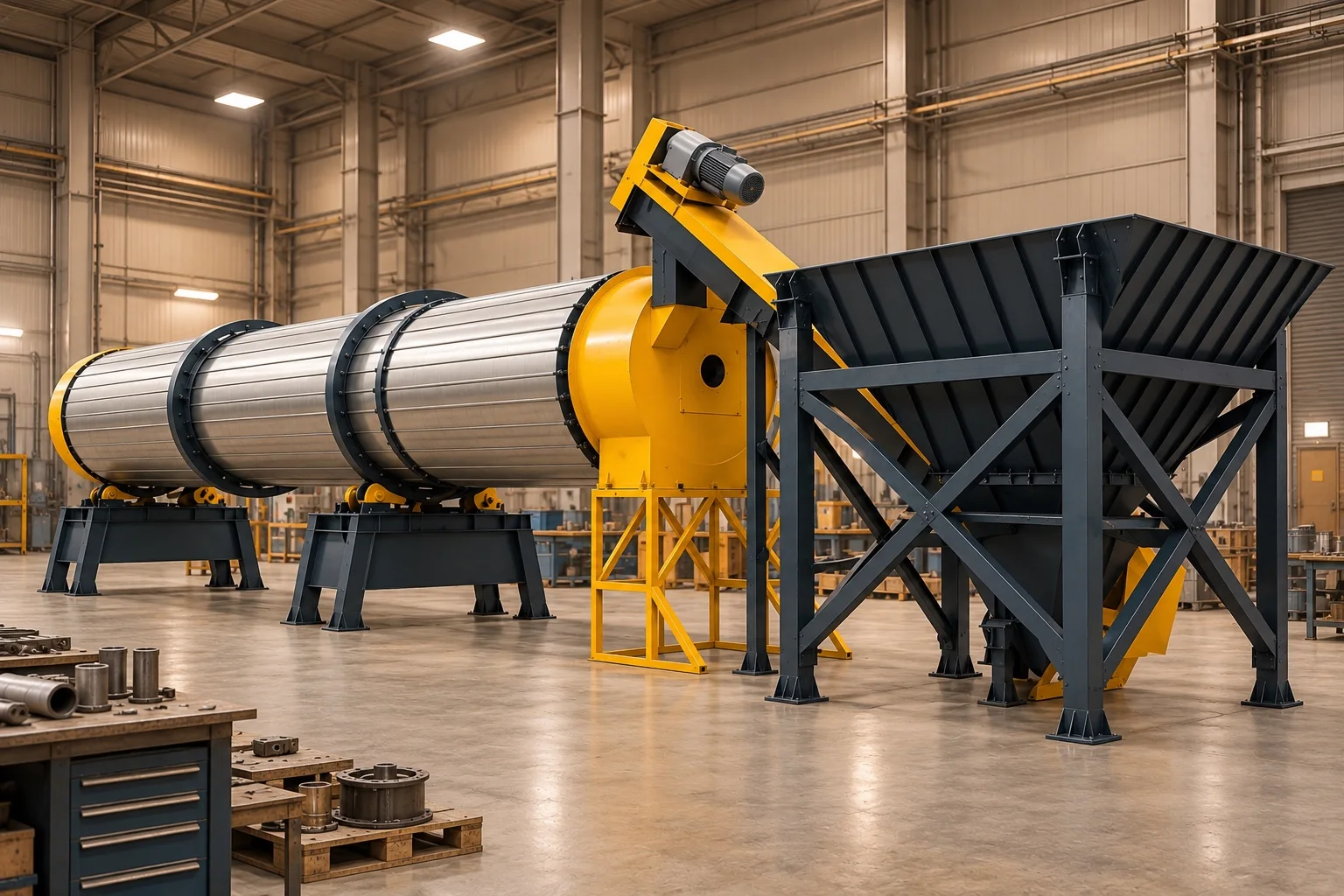
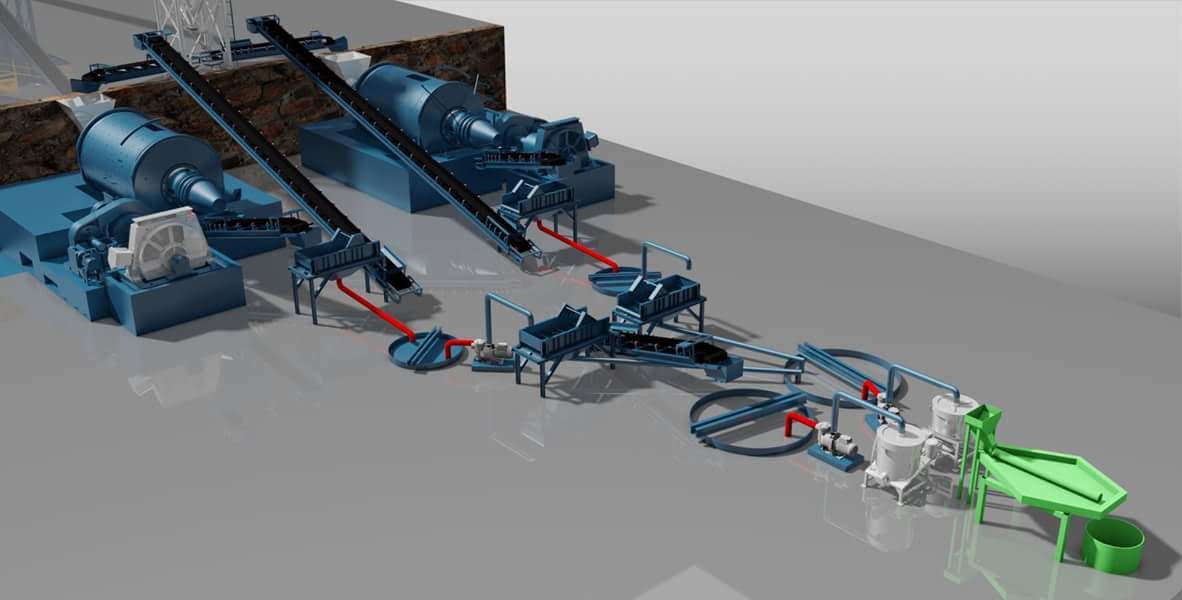
A mineral-processing flowsheet is developed after defining feed mineralogy and behaviour, feed distribution, moisture, target capacity and product requirements. Only the required grinding, classification, screening, drying, transfer, buffering, filtration and collection stages are selected; there is no universal flowsheet for every mineral or plant.
Why does the flowsheet begin with the product target?
Plant design begins with the transformation between the feed and a saleable or downstream-ready product, not with an equipment catalogue. Equipment sequence cannot be established reliably until target particle-size distribution, moisture, quality and product form are defined.
Even feeds carrying the same mineral name can differ in size distribution, associated phases, abrasiveness and moisture behaviour. A flowsheet proven elsewhere is therefore not copied without validation.
Primary engineering inputs
| Input | Influence on the process decision |
|---|---|
| Material and mineralogical character | Constrains applicable size-reduction and separation routes |
| Feed particle-size distribution | Defines preparation, feeding and grinding duty |
| Moisture and flow behaviour | Influences drying, storage, transfer and dust-control decisions |
| Target product distribution | Defines the grinding, classification or screening duty |
| Design capacity | Supports stream balance, interface and bottleneck assessment |
| Site and utilities | Set layout, elevation, power, air, access and commissioning boundaries |
These inputs are not an equipment guarantee; they are validated with representative material, testwork and project boundaries.
Feed preparation, buffering and controlled transfer
Bins, feeders, elevators, screws or other conveying elements are evaluated to deliver stable flow to the main machines. Interruptions, segregation, bridging and dust generation affect overall circuit stability, not only material handling.
Intermediate storage can decouple adjacent stages from short-term variation. Required volume and transfer method depend on bulk density, flow behaviour, moisture and plant layout.
Grinding duty and equipment selection
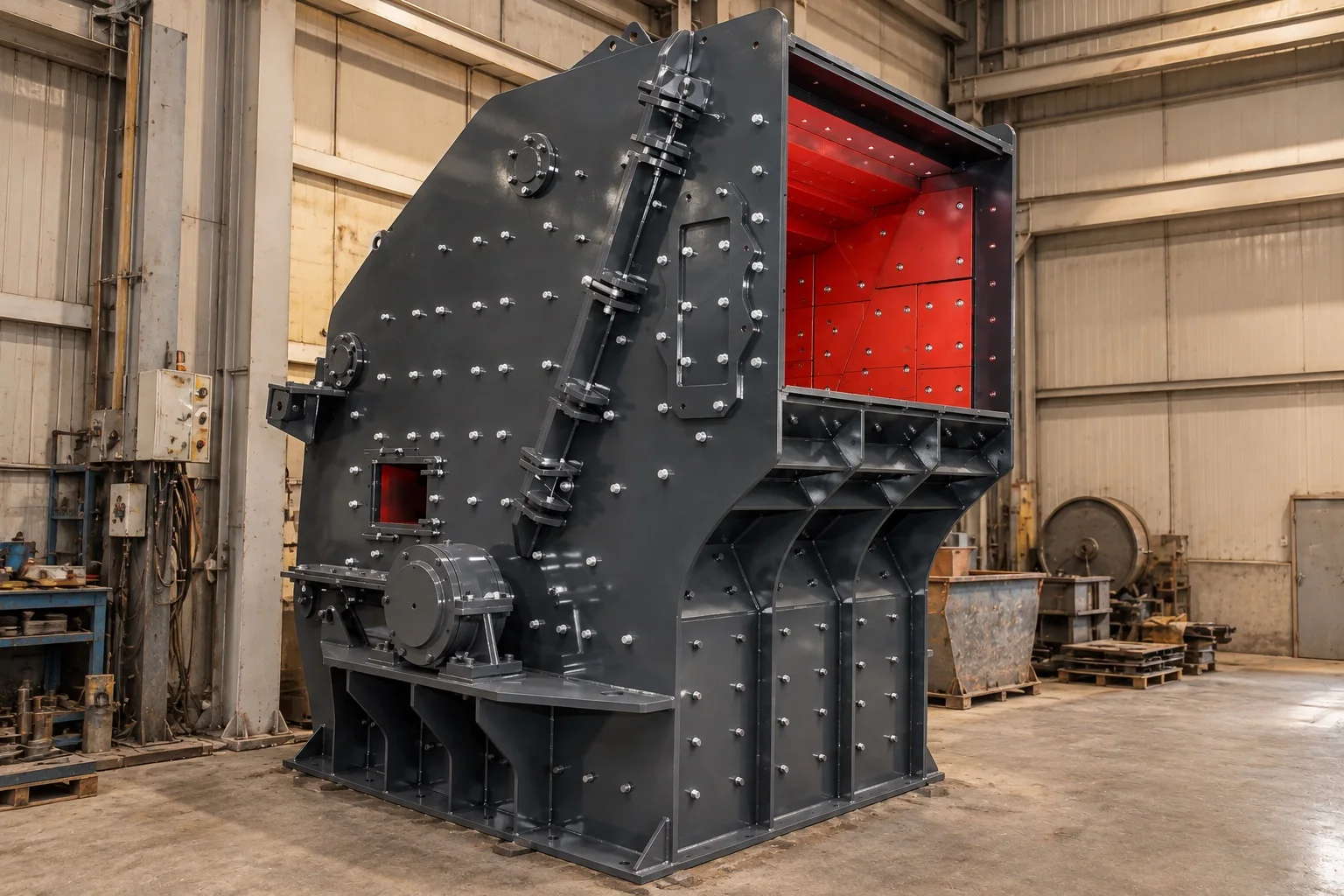
Ball, rod and SAG mills are not automatic substitutes. Feed size, product target, grindability, circuit arrangement, design capacity and downstream size-control duty all influence selection.
A plant does not necessarily require all three mill types. The equipment chain is simplified or staged according to the validated process duty.
Energy, wear and contamination control
Specific energy, wear parts and contamination risk should be evaluated through appropriate testwork. Motor power or shell dimensions alone do not confirm process performance.
Where do screening and classification differ?
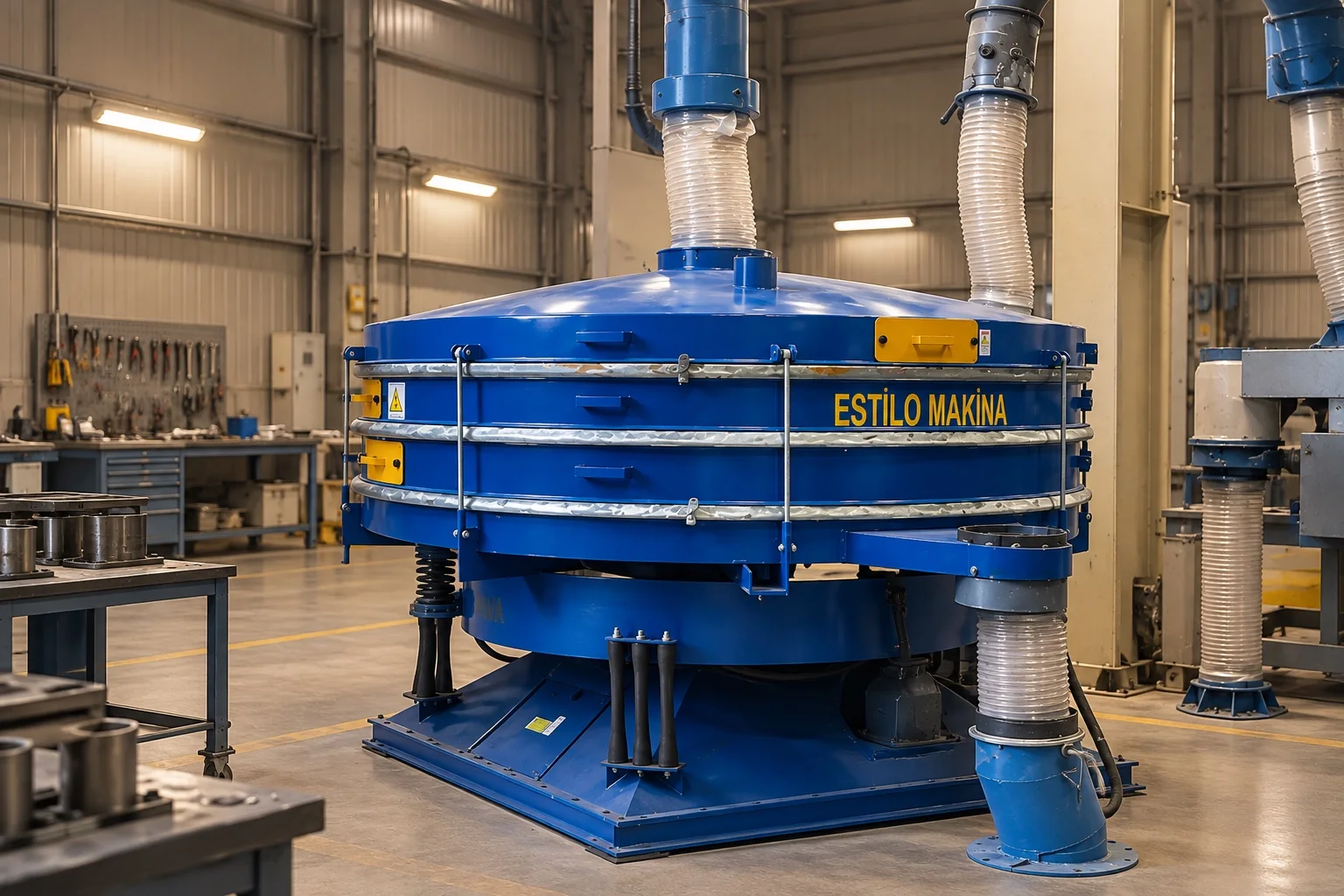
Mechanical screening separates according to passage through an aperture. Air classification creates fine and coarse streams from particle behaviour in a flow field. They can both support particle-size control, but their mechanisms and selection inputs are different.
In a closed circuit, coarse material that misses the product target can return for further grinding. The return path and load are not assumed without a real stream balance.
Screen aperture, product d50 and classifier cut d50 are not the same variable.
Drying and moisture management
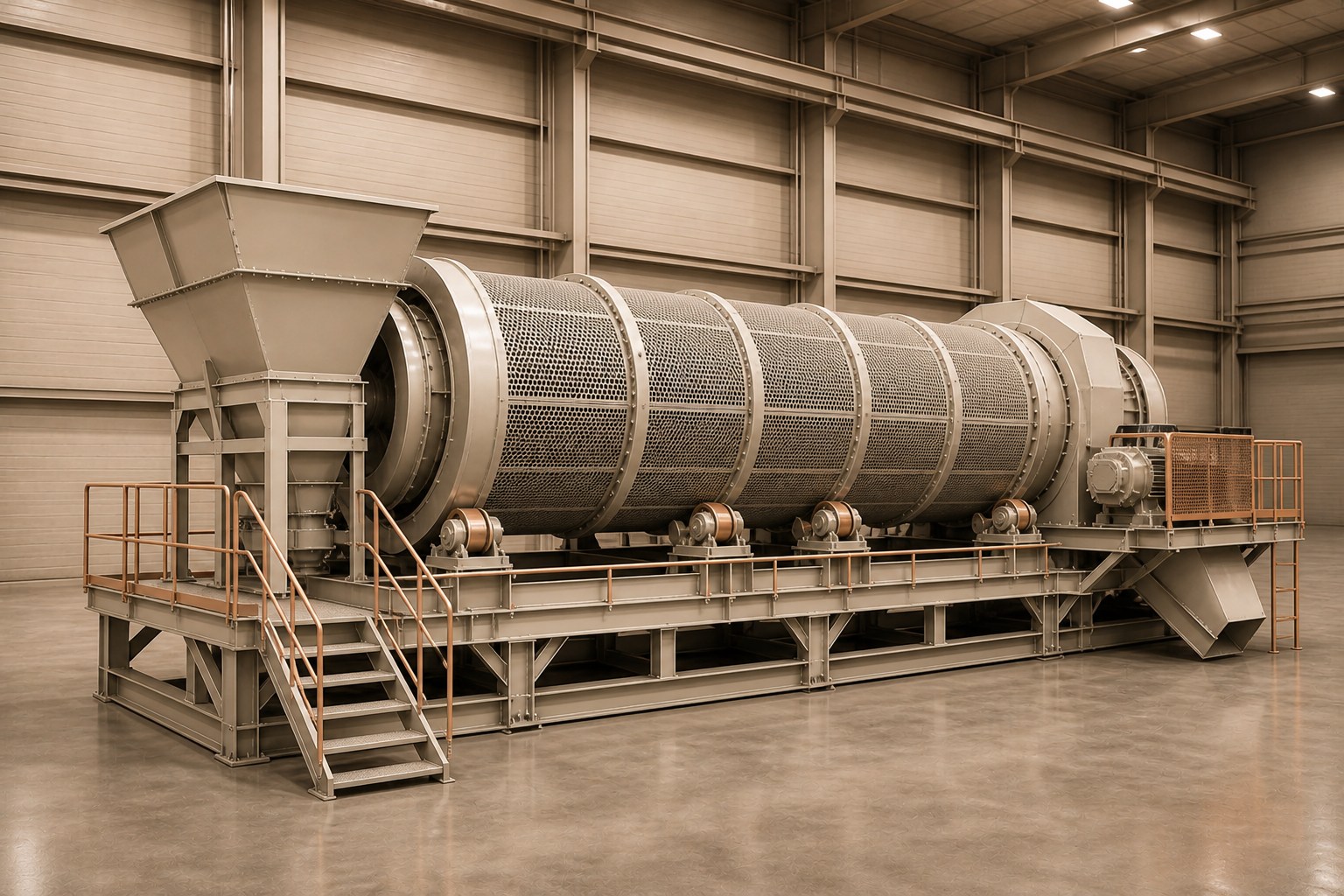
Drying is not an automatic addition simply because feed contains moisture. Free and bound moisture, target product moisture, downstream grinding or screening behaviour, and the choice between a dry and wet route are assessed together.
Where drying is required, evaporation duty, gas handling, product temperature, filtration and downstream feeding are considered within the same heat and mass balance.
Transfer, filtration and product collection
Inter-equipment transfer is designed with feed and discharge elevations, flow continuity, maintenance access and dust containment. In a dry fine-mineral process, filtration can form part of separating product from process air and managing the dust load.
This general process role does not claim a standalone Estilo filter product family. Filter and auxiliary-system scope is defined in the project proposal and responsibility matrix.
Recycle streams and control points
- Feed rate and feed distribution
- Representative sampling at critical intermediate streams
- Product particle-size distribution
- Moisture and temperature monitoring points
- Mass balance across coarse return and product streams
- Pressure relationships across filter, fan and ducting
- Bin levels and inter-equipment interlocks
- Maintenance and safe-access boundaries
Control points follow the actual process risks; one instrument list is not imposed on every plant.
What should be shared for an engineering review?
An initial review should include material identity and available analyses, representative-sample information, feed size distribution, moisture, target capacity, target product distribution, final-moisture requirement, existing equipment, site dimensions and utilities.
When inputs are incomplete, a missing-data list is prepared. Final process scope is defined from validated inputs and the Estilo–customer responsibility boundaries.
This guide is a preliminary engineering framework; it does not produce a final equipment selection, price or performance guarantee by itself.