
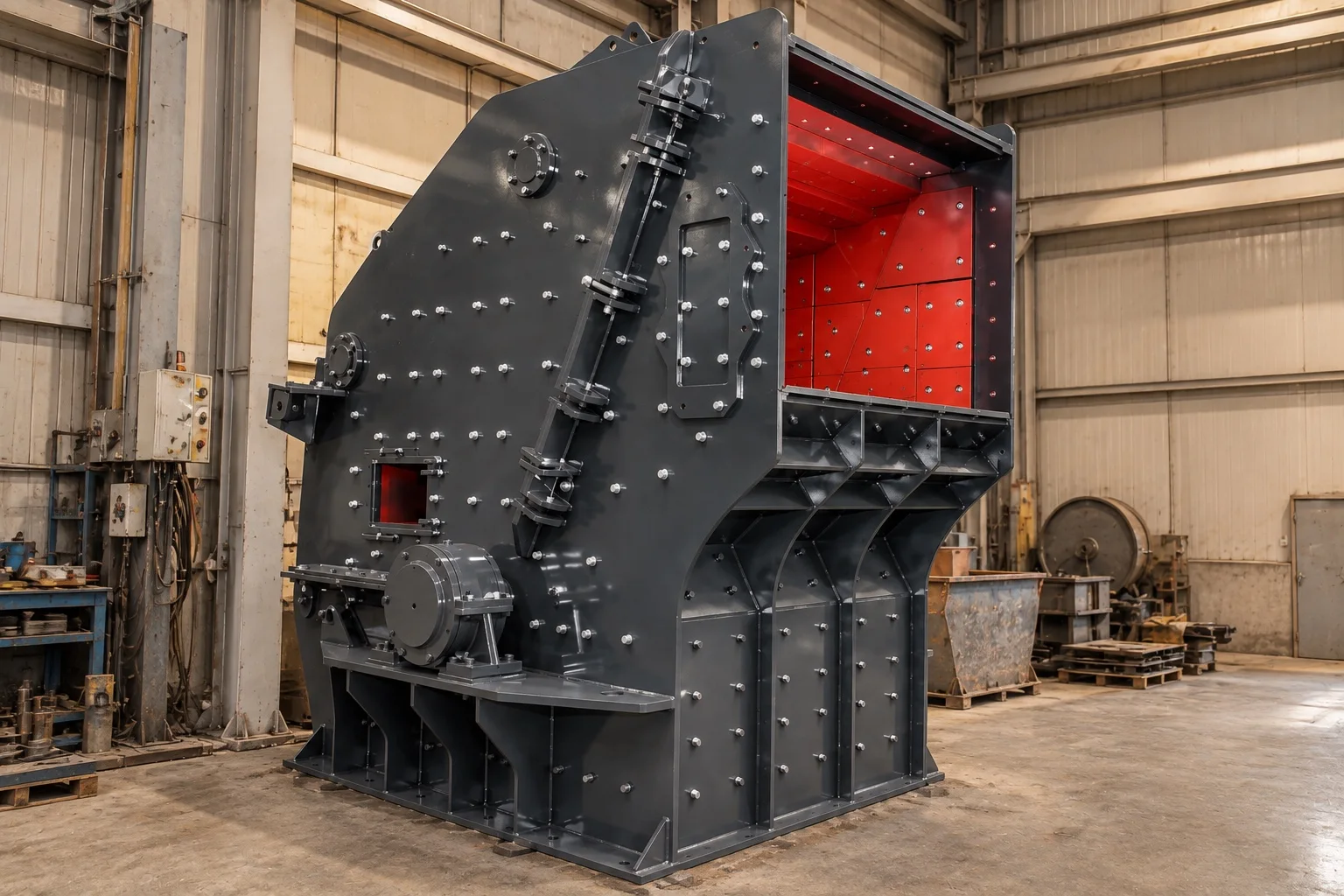
Estilo crusher product-family concept image

Crushing · Process equipment engineering

Crushers
Engineered for the process.

Evaluate jaw and cone options in the Estilo crusher family for your ore and aggregate line. Share feed size, throughput and target product distribution to request a quotation for crushers and auxiliary equipment.

Equipment and circuit scope

Jaw and cone crusher options

Evaluate jaw and cone options within the Estilo crusher family for your ore or aggregate crushing duty. Feed size, rock characteristics and target product distribution guide chamber, wear-part and circuit selection. Request a project quotation that also considers feeders, screens and material transfer equipment.

  1. 01Controlled feeding and primary crushing
  2. 02Secondary crushing for the required product size
  3. 03Screening and oversize return
  4. 04Transfer to grinding or product stockpiling
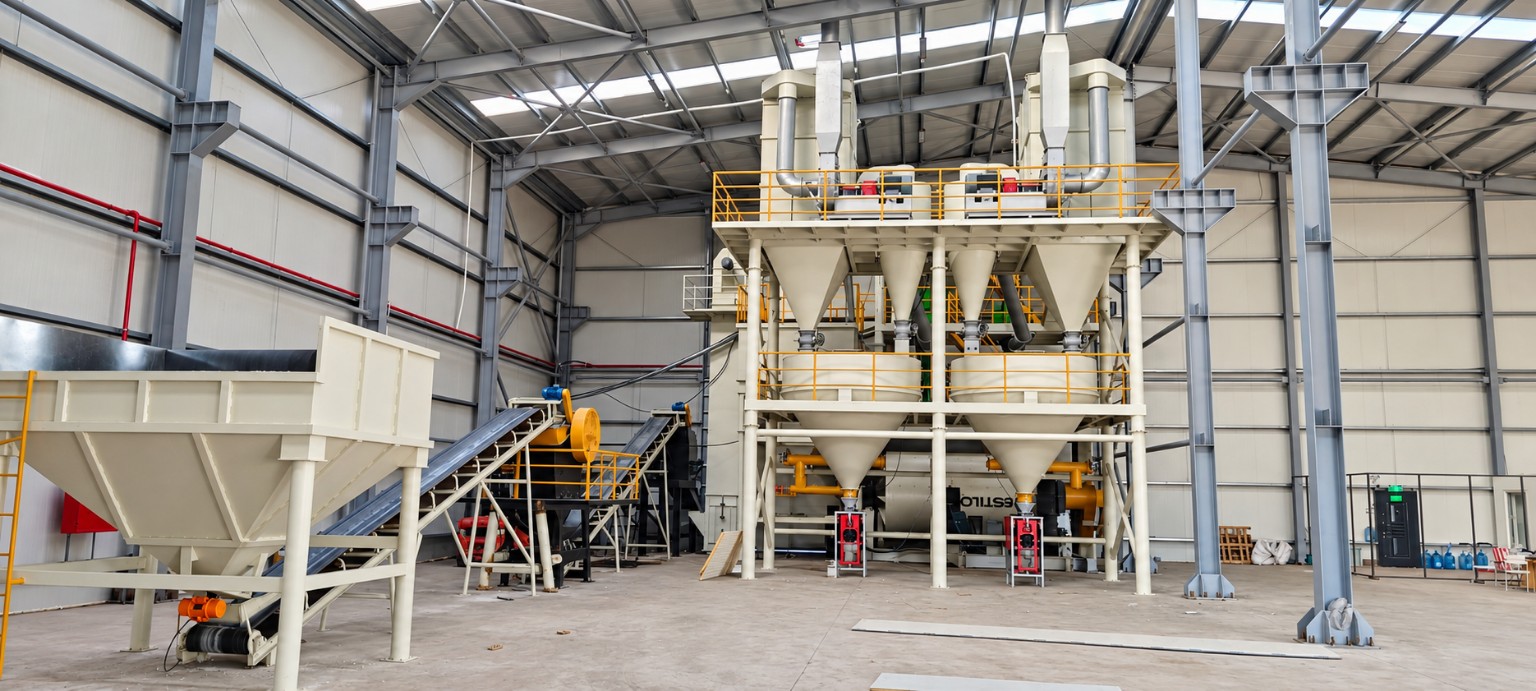
Project quotation

Crushers: quotation requirements

Share the following inputs so that equipment selection and the supply scope can be evaluated for your plant.

  • Maximum feed size and particle distribution
  • Rock strength and abrasiveness
  • Target throughput and product size
  • Primary/secondary duty and open/closed circuit
  • Feeders, screens, dust control and site layout
Request a project quotation

Project application

Jaw and hammer crushing before ball milling in Gebze

At Poly Plast's Gebze plant, dry barite and calcite with an approximate feed size of 100–200 mm first undergo coarse size reduction in a jaw crusher. A belt transfers the material to a hammer crusher, which prepares it for ball mill feeding. This project illustrates crusher selection coordinated with the downstream grinding duty. The Gebze equipment photograph in the gallery shows the hammer crusher.

Explore the Gebze crushing and mill-feed preparation line
01

Intended use

Prepares coarse feed for screening, grinding or downstream processing.

02

Working principle

The selected crusher reduces material by compression within a duty-specific crushing chamber.

03

Role in the process

The controlled size-reduction stage between primary feed and screening or grinding.

Interactive product anatomy

Explore the crusher's force path and chamber.

Make the main frame transparent and inspect the fixed and moving jaws, crushing chamber, eccentric shaft, flywheel drive and feed-discharge geometry.

3D MODEL COMING SOONThe interactive 3D model for this product is currently being prepared.Once completed, the model will be available here for full 360° inspection.

Engineering basis

Selection starts with process data.

Final capacity, motor power and dimensions are confirmed only after material and site inputs are evaluated.

Selection criteria

Maximum feed sizeStrength and abrasivenessTarget product distributionCapacity and circuit loadMaintenance conditions

Construction and subsystems

  • Heavy-duty frame
  • Crushing chamber and wear parts
  • Drive and bearings
  • Adjustment and protection

Options and configurations

  • Jaw crusher
  • Cone crusher
  • Feeder and screen integration
  • Platforms and dust control

Typical applications

  • Metal ores
  • Aggregates
  • Quarries
  • Crushing and screening circuits

Field reference

Projects using this system

Open the case study to see the equipment in its process context.

Before requesting a quotation

Equipment selection questions

Should I select a jaw crusher or a cone crusher?

Jaw crushers are evaluated for primary reduction of coarse feed. Cone crushers serve secondary or tertiary duties with suitable feed conditions. Material characteristics, feed distribution and product targets determine the final selection.

Can the quotation cover a complete crushing and screening line?

The scope can be defined for a single machine or for feeders, crushers, screens and transfer connections together. Share the required product fractions and existing flowsheet to establish equipment boundaries.

Technical request

Share your material and capacity target.

Start request