
Engineering Insights
Process knowledge,
grounded in engineering.
Engineering notes, material knowledge and process explanations for grinding, classification, drying, screening, crushing and mineral processing.
Knowledge areas
Explore by process function.
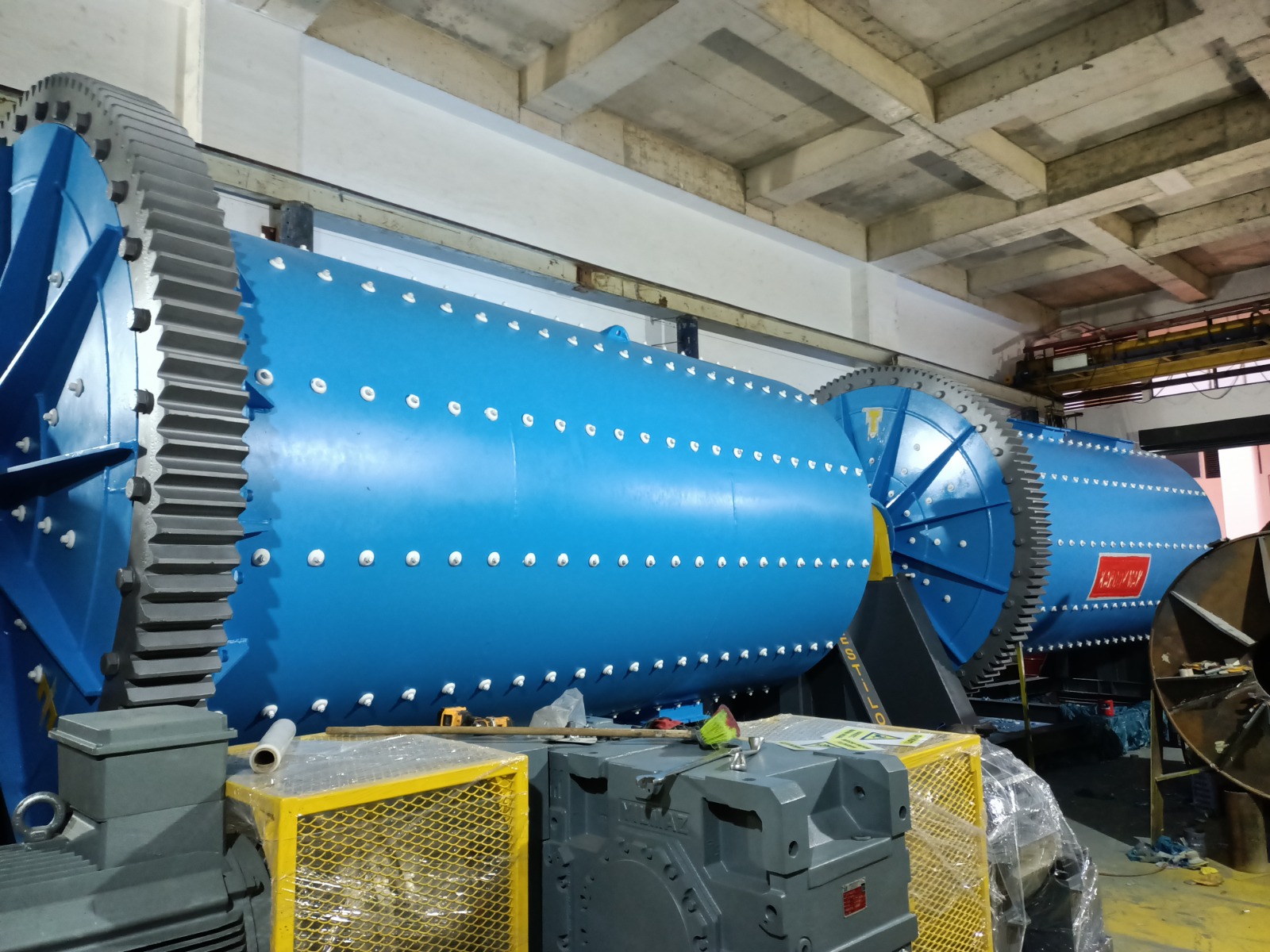
Working principles, circuit layouts and process parameters that influence the selection of ball, rod and SAG mills.
Explore topic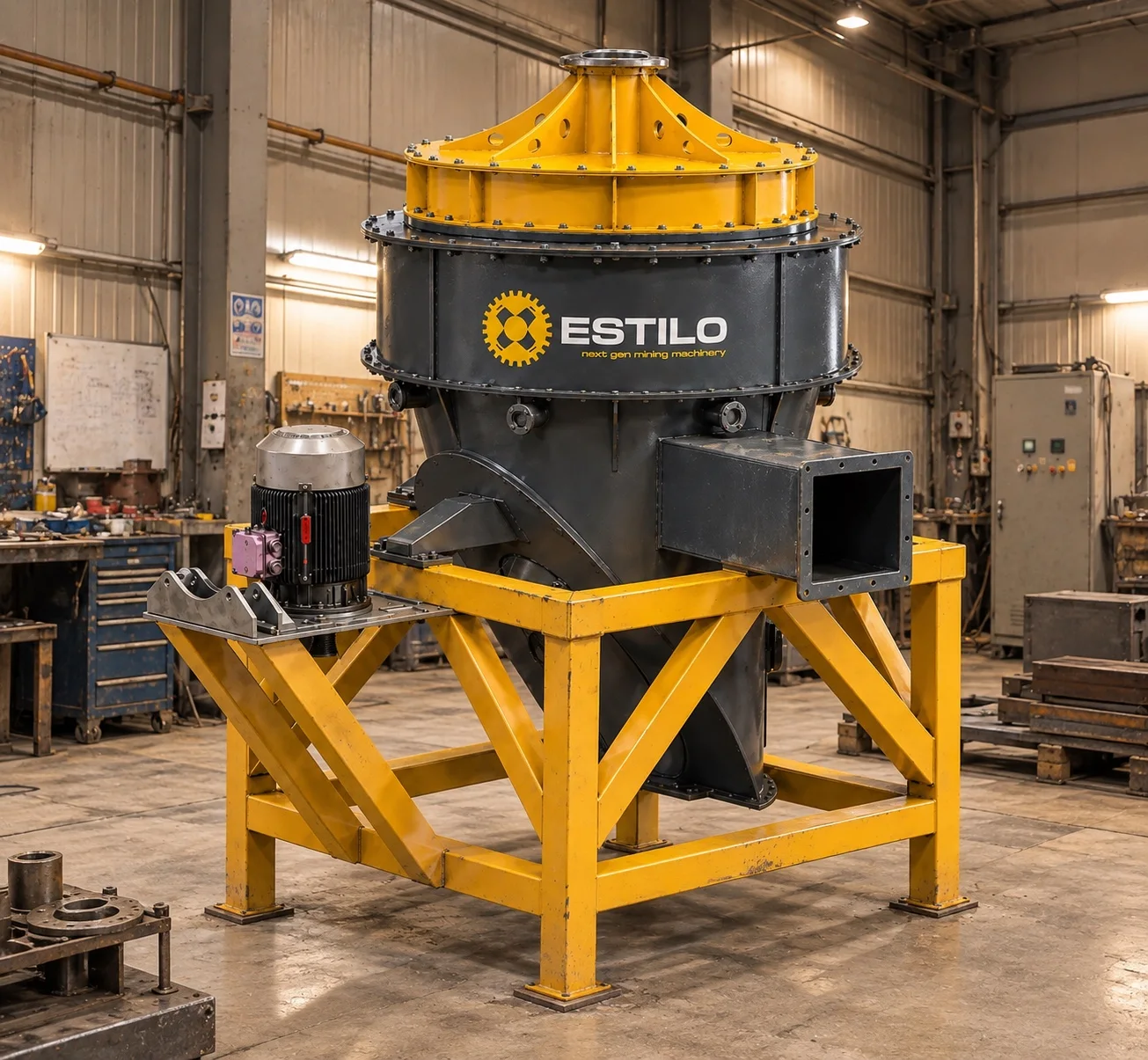
Dynamic separators, particle-size distribution and the role of classification in closed-circuit grinding.
Explore topic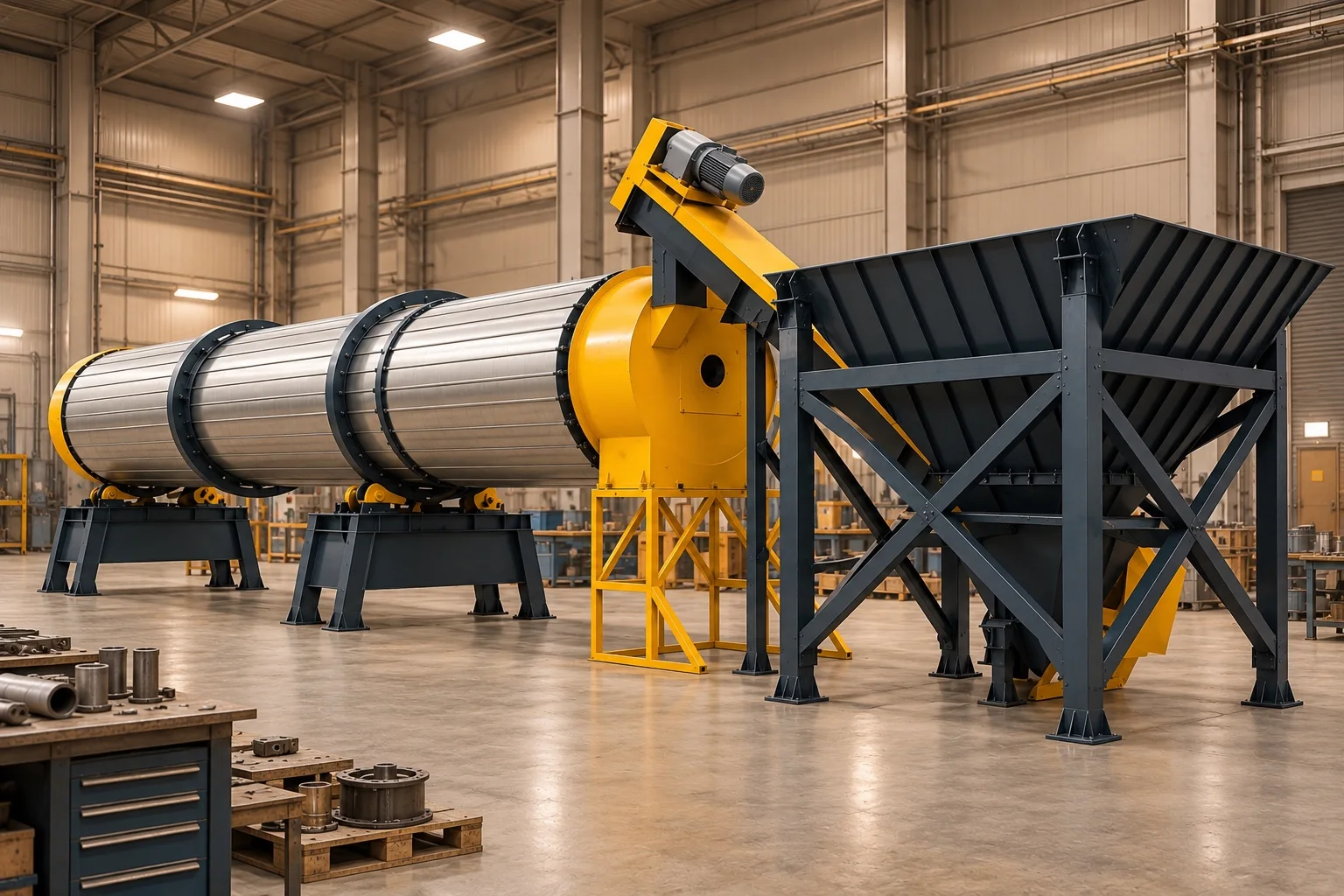
Rotary-dryer fundamentals, moisture load, heat transfer and the principal design inputs that determine capacity.
Explore topic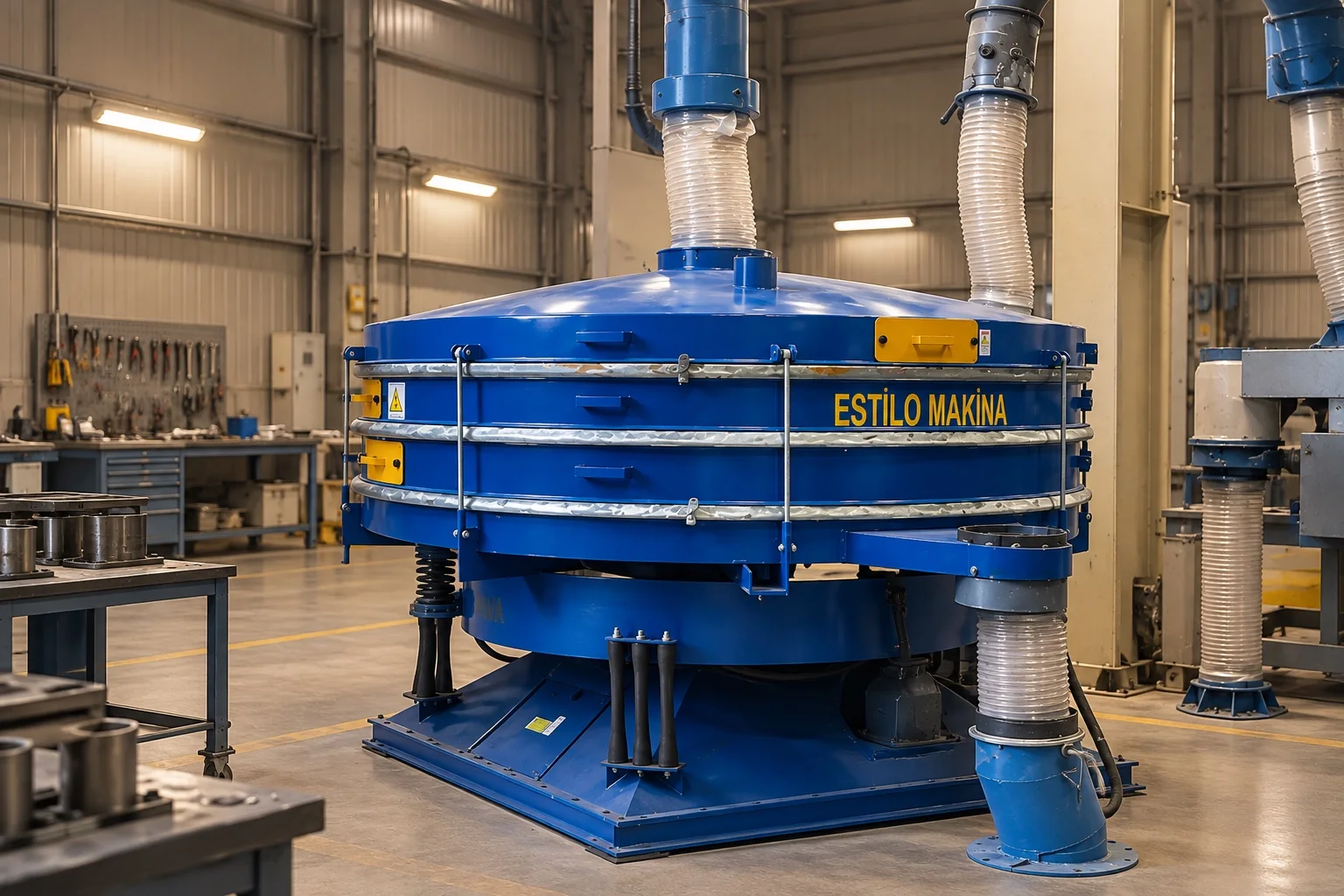
Circular-screen fundamentals, screen and aperture selection, screening efficiency and particle-size control for fine mineral products.
Explore topic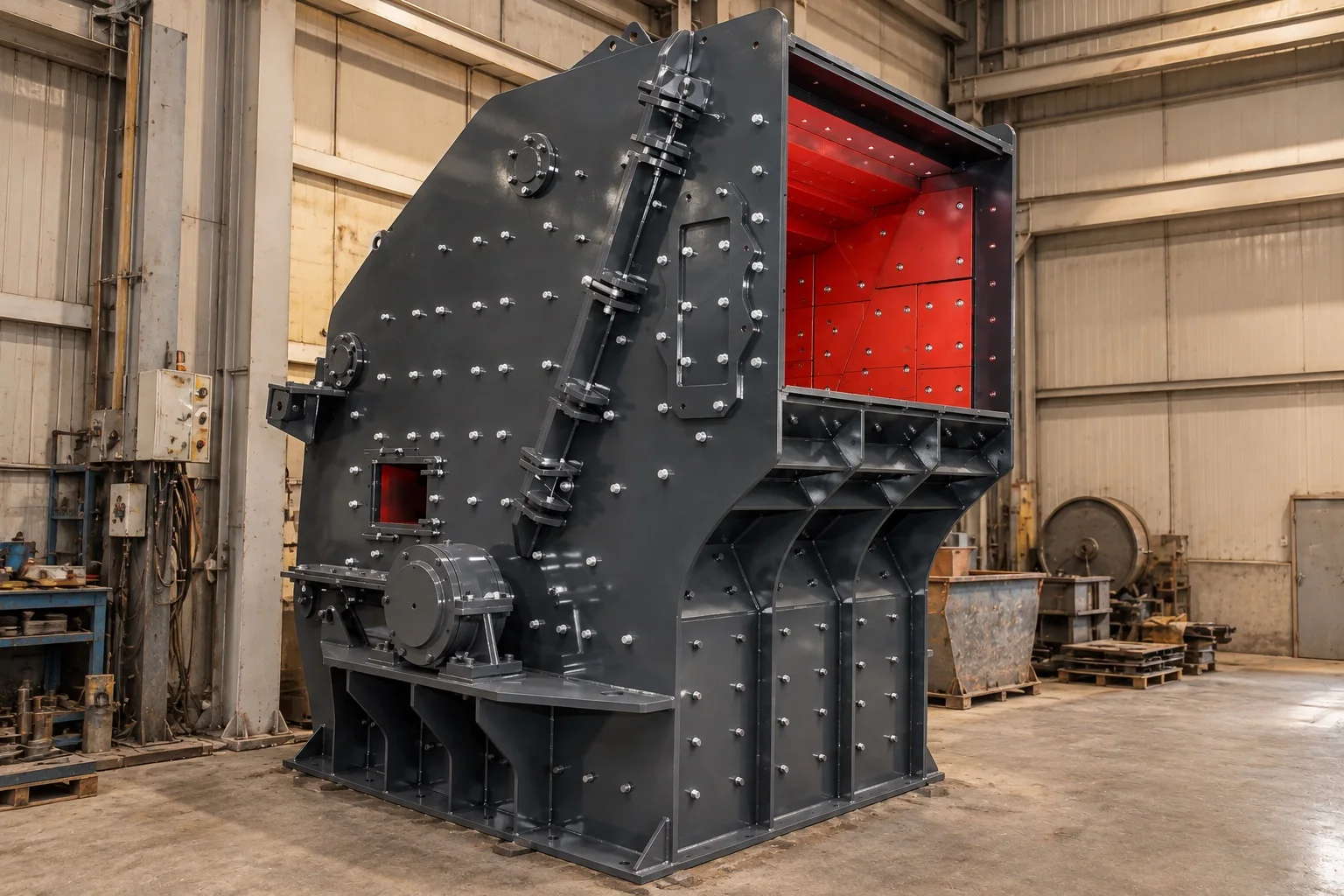
Engineering notes on reduction ratio, feed size and process preparation.
Explore topic
Engineering guidance from material definition to flowsheet and equipment selection, connecting grinding, classification, drying, screening, transfer and product collection.
Explore topicA sourced technical knowledge centre covering industrial minerals, metallic ores and process materials, with grinding, drying, classification, screening and ore-preparation behaviour kept technically distinct.
Explore topic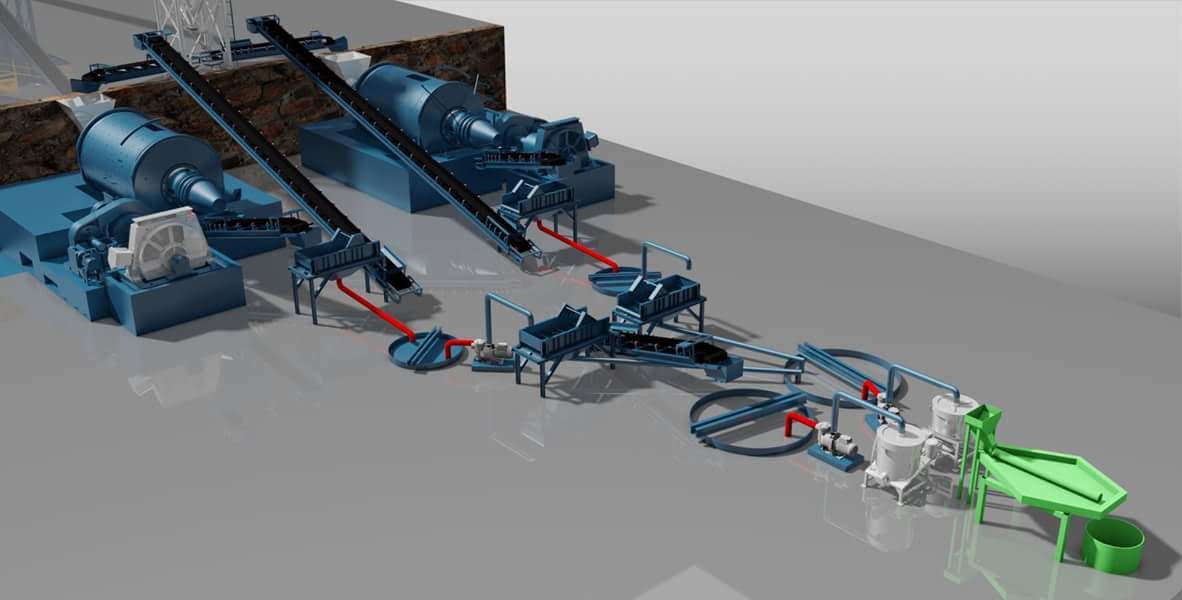
Featured engineering note
Mineral Processing Plant Flow and Equipment Selection
A sound flowsheet is not a standard machine sequence; it is a project-specific engineering model built from the material, target product, stream relationships and site constraints.
Read the articleTechnical library
Start with the questions engineers actually ask.
Understand how industrial ball mills reduce particle size through the impact and abrasion generated by grinding media inside a rotating shell.
Despite similar rotating shells, ball and rod geometry changes particle contact and the grinding behaviour expected from the circuit.
A SAG mill uses the ore itself as part of the grinding medium, while a ball mill relies more directly on a defined ball charge.
Understand how longitudinal rods inside a rotating shell use line contact to reduce coarse particles into a controlled intermediate product.
Build rod-mill sizing on representative test data and complete circuit duty rather than catalogue values.
Understand the circuit duty of semi-autogenous grinding, which combines coarse ore with a controlled ball charge.
Size a SAG mill as part of a verified grinding circuit that accounts for ore variability and downstream stages, not as an isolated machine.
Open circuits pass material through the mill once, while closed circuits classify the discharge and return the coarse fraction for further grinding.
A dynamic separator combines airflow with a rotating classification rotor to divide particles according to their behaviour in the classification zone.
Describing a mineral product only as '50 microns' is often insufficient; d-values indicate how much of the distribution lies below a characteristic size.
A separator is selected from the material, target distribution, throughput and complete air–grinding circuit, not one micron or rotor-speed value.
Circuit performance depends not only on recycle quantity but on how each particle-size class divides between product and return streams.
Rotary-dryer selection is based not only on wet-feed tonnage but on water evaporation, material behaviour, heat and gas balances.
Drying-load calculation begins by stating the moisture basis and using a dry-solids balance to determine water removal.
A sound flowsheet is not a standard machine sequence; it is a project-specific engineering model built from the material, target product, stream relationships and site constraints.
A quartz grinding line is neither one mill nor a universal flowsheet; material, moisture, target particle-size distribution and product quality shape the complete process.
Capacity is not a motor-power or shell-size lookup; it is an engineering result that connects material behaviour, size target, energy demand and circuit performance.
Critical speed is a geometric limit, while actual operation depends on media charge, liners, material and the process objective.
The choice depends not only on the mill but on how the product will be transported, classified and delivered to the next process step.
Maintenance is not a calendar alone; it is a controlled system that tracks wear, lubrication, drive and operating trends against manufacturer instructions.
Learn how a circular vibratory screener separates material into fractions on aperture-defined screening surfaces.
Screen selection is more than stating a target micron value; it requires the real material behaviour on the surface and the complete process interfaces.
Screening performance is not an aperture value alone; it depends on feed distribution and the probability of particle passage across the working surface.
Understand calcite, the distinction between natural calcium carbonate, GCC and PCC, and the grinding and classification decisions behind micronized products.
Explore the feldspar mineral group, its role in ceramic and glass formulations, iron-contamination sensitivity and dry or wet grinding choices.
Review limestone as a carbonate rock, including compositional variability, crushing, grinding, screening and its role as an industrial and cement raw material.
Distinguish the dolomite mineral from dolomitic rock and review industrial uses and composition-controlled grinding and classification.
Review barite's high-specific-gravity character, its sourced role in drilling fluids and a grinding approach controlled by particle size and purity.
Review bentonite as a montmorillonite-rich clay, sodium and calcium types, moisture and swelling behaviour, and drying and grinding decisions.
Distinguish kaolin from kaolinite and review brightness, impurity control, wet or dry beneficiation, grinding and classification.
Understand talc's platy structure, the distinction from commercial talc grade, and fine grinding controlled by impurities and particle form.
Review magnesite, magnesia and refractory context, and crushing, screening and grinding inputs before calcination.
Distinguish gypsum from calcined plaster and review crystal water, the drying-calcination boundary and size-controlled feed preparation.
Separate silica, quartz and silica-sand concepts and review washing, screening, classification, drying and silica-flour processing decisions.
Review marble as a metamorphic carbonate rock, separating dimension stone from marble powder or slurry and examining calcium-carbonate recovery and process quality.
Distinguish raw and expanded perlite, the role of bound water in thermal expansion, and particle protection during crushing, screening and milling.
Review pumice's naturally porous volcanic structure, low bulk density and crushing and screening for aggregate, abrasive or fine-product duties.
Review zeolites as a group of porous aluminosilicates, separating natural and synthetic products and covering adsorption, ion exchange and sizing.
Review diatomite's biogenic, finely porous siliceous structure and its filter-aid, absorbent and filler applications with careful drying and milling.
Review clinker as a cement intermediate rather than a mineral, including post-cooling grinding, gypsum and other additions, PSD and temperature control.
Review blast-furnace slag as an ironmaking by-product, separating air-cooled and granulated routes and covering drying and fine grinding.
Review steel slag as a steelmaking by-product, including free lime and volume stability, aging, crushing, screening and magnetic metal recovery.
Review fly ash as a combustion-derived industrial by-product rather than a natural mineral, including source variability, carbon, fineness, screening and air classification.
Review cement raw materials as a proportioned system rather than one mineral, covering limestone, clay and corrective components, crushing, drying, grinding and homogenisation.
Understand the mica mineral group, wet and dry grinding, preservation of platy particle shape and the decisions behind industrial powder preparation.
Distinguish raw and exfoliated vermiculite, thermal exfoliation, drying, screening and classification, and the decisions that preserve product structure.
Explore sepiolite's fibrous clay-mineral morphology, sorptive and rheological behaviour, Turkish context, and drying, grinding and screening decisions.
Understand wollastonite as calcium metasilicate, the value of acicular particles, ceramic and filler uses, and morphology-aware grinding decisions.
Distinguish fluorite mineral identity from the commercial term fluorspar, grade-dependent uses and grinding, classification and beneficiation decisions.
Understand phosphate rock as an apatite-bearing rock and raw material, and the boundaries between beneficiation, drying, grinding and fertilizer-feed preparation.
Understand hematite and magnetite iron ores and the role of crushing, grinding, screening, classification and preparation before beneficiation.
Review free gold, sulfide associations, crushing, grinding, classification and liberation before downstream gold beneficiation.
Compare sulfide and oxide copper ores, including chalcopyrite, grinding, liberation and preparation for downstream beneficiation routes.
Review galena-bearing lead ore, its association with zinc and other sulfides, and grinding, liberation and preparation before beneficiation.
Understand sphalerite-bearing zinc ore, iron substitution, association with lead sulfides and the implications for grinding, liberation and preparation.
Review galena-sphalerite association in lead-zinc ores, selective liberation, grinding, classification and preparation for downstream separation.
Understand native silver and silver-bearing minerals, their association with lead, zinc and gold systems, and the implications for grinding and liberation.
Review chromite as the principal chromium ore mineral and the role of density, particle size, liberation and preparation before beneficiation.
Review manganese oxide and carbonate minerals, gangue separation, crushing, screening, grinding and preparation before beneficiation.
Understand the mineralogical and process differences between sulfide nickel ores and laterites, including grinding, liberation and ore-preparation boundaries.
Review cobalt as a co-product or by-product in copper and nickel ores, cobalt minerals and the mineralogical boundaries of ore preparation.
Review molybdenite-bearing ores, association with porphyry copper systems, platy particle behaviour and grinding-liberation decisions.
Review scheelite and wolframite tungsten ores, high density, brittleness, fine-particle loss and preparation for gravity or magnetic separation.
Review cassiterite tin ore, high density, brittleness, gravity separation and the risk of fine-particle losses during crushing and grinding.
Review stibnite-bearing antimony ore, association with gold and other sulfides, brittleness, grinding-liberation and preparation for downstream beneficiation.
Review bauxite mineralogy, gibbsite, boehmite and diaspore, plus crushing, screening, moisture-clay behaviour and preparation before Bayer refining.
Review spodumene, lepidolite and petalite in hard-rock lithium ores, including crushing, grinding, sizing and preparation before chemical processing.
Review ilmenite, rutile and titanium-ore preparation in heavy-mineral sands and hard rock, including sizing and downstream separation requirements.
Review flake, vein and amorphous graphite, with emphasis on liberation, grinding, classification and preparation before beneficiation.
Review borax, ulexite and colemanite in the context of ore preparation, size control, impurity management and process selection.
Review rock salt and halite in terms of crushing, screening, drying, solubility, moisture and target particle size.
Review sylvite, carnallite and other potash salts in the context of crushing, sizing, solubility and preparation for beneficiation.
Review trona as a natural soda-ash feedstock and the boundary between crushing, drying, sizing and downstream chemical processing.
Review native sulfur, sulfide-related and recovered sources, with emphasis on sizing, handling and process boundaries.
Review zircon and its role in heavy-mineral sands, focusing on particle size, separation, drying and product preparation.
Review bastnäsite, monazite and ion-adsorption clays as rare-earth sources, focusing on mineralogical differences and ore preparation.
Review columbite-tantalite and related Nb-Ta minerals in terms of liberation, density contrast, particle size and ore preparation.
Review vanadium in titanomagnetite, sandstone-type and byproduct sources, focusing on comminution, magnetic response and ore preparation.
Review beryl and bertrandite as beryllium sources, focusing on deposit type, liberation, comminution and downstream preparation.
Review ores containing platinum-group metals such as platinum, palladium and rhodium, focusing on sulfide association, liberation and beneficiation preparation.
Review uranium deposit types, minerals such as uraninite and the role of mechanical ore preparation before downstream processing.
Review cesium and rubidium in pollucite, lepidolite and brine resources, focusing on mineral preparation and byproduct context.
Review celestite, the principal strontium ore mineral, in terms of particle size, impurities, grinding and product preparation.
Review kyanite, andalusite and sillimanite, their shared chemistry, different crystal structures and preparation for refractory raw materials.
Review industrial garnet in terms of hardness, density, grain durability, crushing, classification and abrasive-product preparation.
Review nepheline syenite versus feldspar, its alkali-alumina chemistry, grinding, impurities and preparation for glass and ceramic use.
Review pyrophyllite versus talc, its aluminum-silicate chemistry, grinding, particle size and preparation for ceramic and refractory use.
Review natural sodium sulfate, mirabilite versus thenardite, and the role of hydration, drying, sizing and product preparation.
Review bismuth as a byproduct of lead, tin and tungsten ore processing, with emphasis on mineral preparation and multi-metal context.
Review gallium in bauxite and zinc ores, why it is mainly a byproduct, and the limits of mechanical mineral preparation.
Review germanium as a byproduct of zinc ore and other sources, focusing on sphalerite association and the limits of mineral preparation.
Review indium in sphalerite and zinc-processing residues, focusing on mineralogical distribution and byproduct recovery context.
Review hematite as Fe₂O₃, its role in iron ore, liberation, grinding and preparation before beneficiation.
Review magnetite as Fe₃O₄, its strong magnetic response, liberation, grinding and preparation before magnetic separation.
Review goethite as FeO(OH), its relation to limonite, porous texture, fines generation and iron-ore preparation.
Learn why limonite is not a single mineral and review its goethite-rich, hydrated iron-oxide character, moisture and preparation behaviour.
Review siderite as FeCO₃, how it differs from iron oxides, and the role of liberation and mechanical preparation before any thermal treatment.
Review pyrite as FeS₂, its role in gold and base-metal ores, liberation, sulfide separation and oxidation-related considerations.
Review arsenopyrite as FeAsS, its possible association with refractory gold, distinction from pyrite and preparation before beneficiation.
Review chalcopyrite as CuFeS₂, its role in copper ores, liberation, grinding and mechanical preparation before flotation.
Review bornite as Cu₅FeS₄, its association with chalcopyrite, enrichment zones, liberation and sulfide-ore preparation.
Review chalcocite as Cu₂S, its role in supergene copper enrichment, associations with bornite and chalcopyrite, and ore preparation.
Review malachite as Cu₂CO₃(OH)₂, its occurrence in oxidized copper zones, differences from sulfide ores and mechanical preparation.
Review galena as PbS, its high density, association with sphalerite, role in lead-silver ores and liberation requirements.
Review sphalerite as ZnS, its association with galena and sulfides, iron and trace-element content, liberation and flotation preparation.
Review pentlandite as (Fe,Ni)₉S₈, its association with pyrrhotite and chalcopyrite, liberation and preparation of nickel-sulfide ores.
Review cobaltite as CoAsS, arsenic-bearing cobalt mineralogy, sulfide/sulfarsenide associations and mechanical preparation.
Review molybdenite as MoS₂, its role in porphyry Mo and Cu-Mo ores, platy texture, liberation and flotation preparation.
Review cassiterite as SnO₂, its high density and hardness, occurrence in hard-rock and placer ores, and preparation before gravity separation.
Review scheelite as CaWO₄, its high density and fluorescence, occurrence in skarn/vein ores, liberation and preparation before gravity or flotation.
Review wolframite as (Fe,Mn)WO₄, its high density, magnetic behaviour, vein/greisen occurrence and liberation requirements.
Review stibnite as Sb₂S₃, its role in antimony ores, possible gold association, brittleness, liberation and flotation preparation.
Review pyrolusite as MnO₂, its role in manganese ores, porous or fine textures, gangue mineralogy and size preparation.
Review ilmenite as FeTiO₃, hard-rock and heavy-mineral-sand sources, magnetic/density behaviour and ore preparation.
Review rutile as TiO₂, its heavy-mineral-sand and hard-rock sources, differences from ilmenite, density and size-control requirements.
Review spodumene as LiAlSi₂O₆, pegmatite mineralogy, quartz-feldspar-mica association, liberation and preparation before beneficiation.
Review monazite as an REE-phosphate mineral group, possible thorium content, placer and hard-rock sources, liberation and physical preparation.
Review bastnäsite as an REE fluorocarbonate mineral, carbonatite ore associations, liberation and physical preparation before flotation.
Review xenotime as YPO₄, its yttrium and heavy-REE content, association with zircon/monazite, and placer or hard-rock preparation.
Review the columbite-tantalite series, the term “coltan”, pegmatite and placer sources, high density and preparation for gravity/magnetic separation.
Review beryl as Be₃Al₂Si₆O₁₈, its pegmatite occurrence, distinction between gem varieties and industrial ore, and liberation requirements.
Review uraninite as a uranium-oxide mineral, the term pitchblende, deposit diversity, liberation and radiation-safety boundaries.
This library expands with verified field data, new case studies and engineering experience.