“Coltan” is not a single mineral species; it is a trade and geological term for ore or concentrate containing columbite-tantalite Nb-Ta oxide minerals. Composition varies with Fe-Mn and Nb-Ta ratios.
- Formula / structure
- (Fe,Mn)(Nb,Ta)₂O₆
- Ore role
- Nb-Ta oxide mineral series
- Preparation focus
- Prepare dense and variably magnetic grains for separation
What is Columbite–Tantalite (Coltan) and how does it occur in ore?
Columbite-tantalite occurs in granitic pegmatites with quartz, feldspar, mica, spodumene, beryl and tin-tungsten minerals, and it can also concentrate as a heavy mineral in placers.
Why does coltan not have one fixed ore formula?
Columbite and tantalite form continuous compositional series. Because Nb/Ta and Fe/Mn ratios vary, the trade name “coltan” can hide substantial mineralogical differences.
Which behaviour matters during ore preparation?
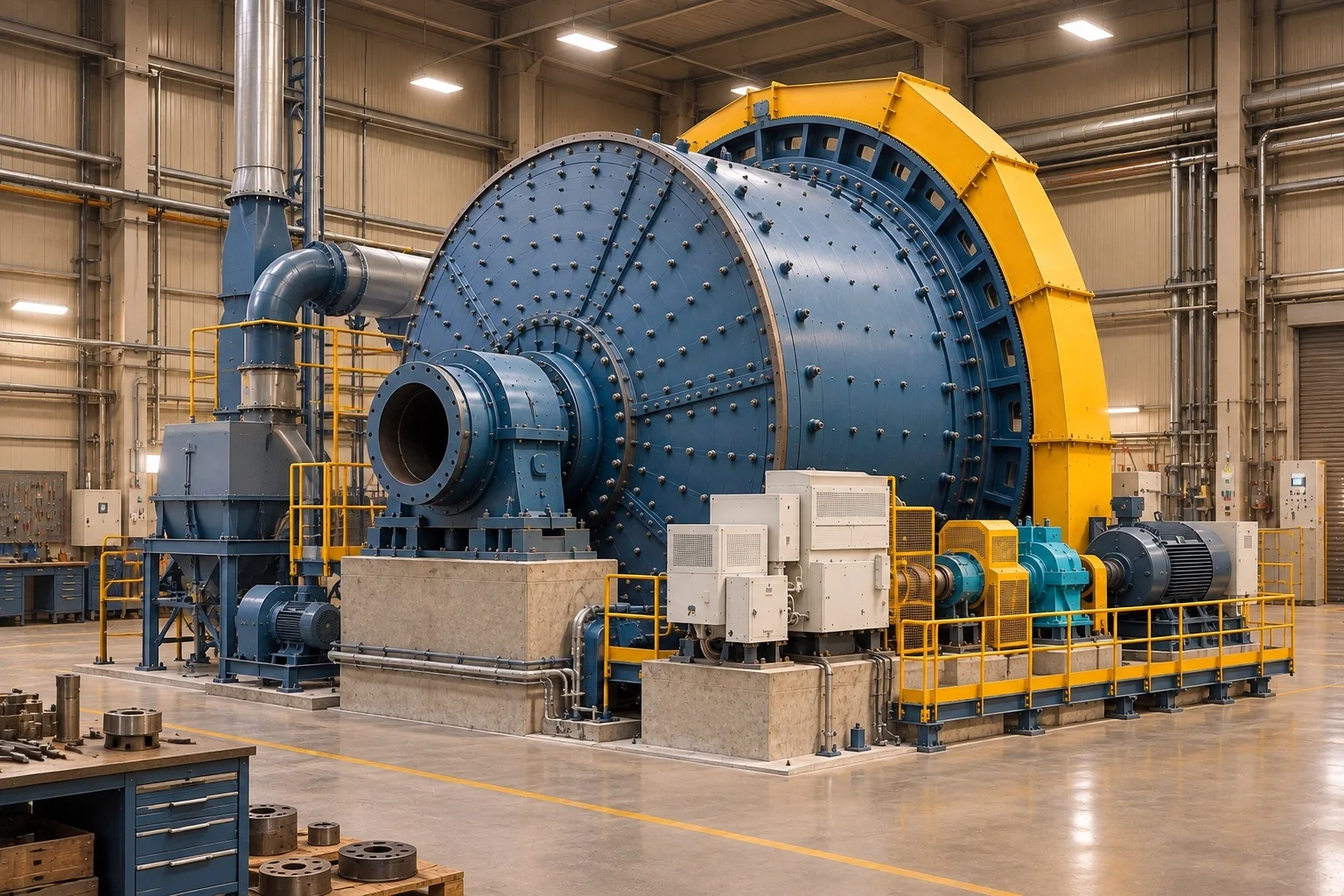
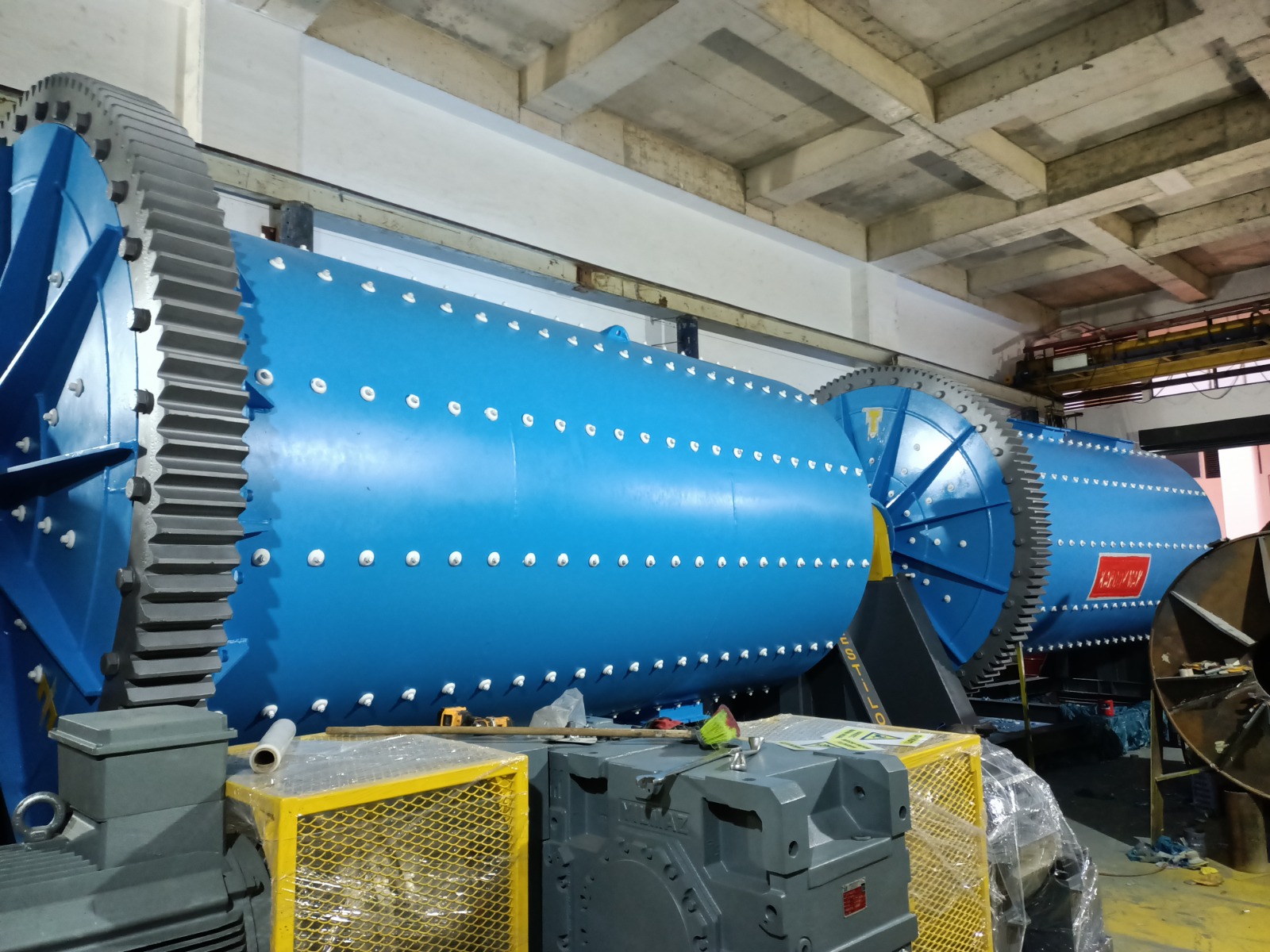
Hard-rock pegmatites may require crushing and grinding for liberation, while placer material benefits from preserving naturally liberated grains. High density can support gravity preconcentration.
Magnetic response varies with composition, and tin or tungsten heavy minerals can report to the same product stream. Multi-stage physical-separation testing may therefore be required.
Which inputs should be verified?
- Nb/Ta and Fe/Mn ratios
- Pegmatite or placer source
- Association with spodumene/beryl/cassiterite
- Particle size and liberation
- Density and magnetic behaviour