
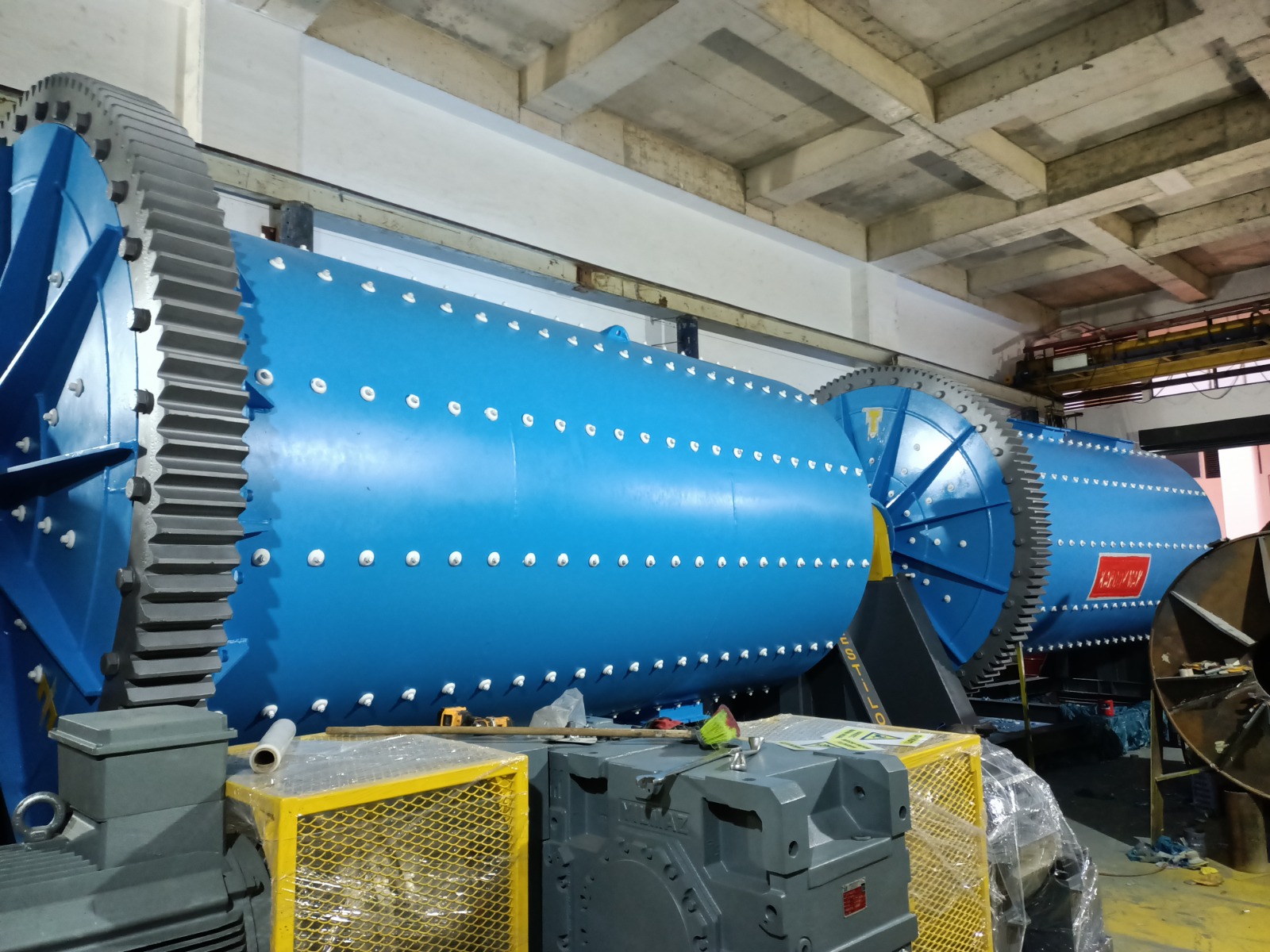
Graphite is a naturally occurring crystalline form of carbon. Flake size, crystallinity and gangue association directly affect grinding intensity and preparation before beneficiation.
- Major types
- Flake, vein and amorphous graphite
- Critical property
- Flake size and crystallinity
- Process objective
- Liberation from gangue with controlled particle size
Why is graphite not a single product class?
Natural deposits can contain flake, vein and finer-crystalline amorphous graphite. Similar carbon grades do not imply identical grinding or beneficiation behaviour.
For flake graphite, unnecessary breakage of coarse flakes can reduce product value, so liberation must be balanced against flake preservation.
How do mineralogy and gangue association affect the flowsheet?
Associations with quartz, mica, sulfides or other gangue minerals influence the crushing and grinding duty. A fixed fineness target should not be selected before the liberation size is verified on representative material.
Density, surface behaviour and particle shape can influence downstream separation, so preparation is designed around the feed requirements of those steps.
What is the main risk in grinding and classification?
The objective is not simply to make a finer product. Overgrinding can reduce coarse-flake yield and create unnecessary fines.
Staged grinding with intermediate classification can remove sufficiently liberated material before it is ground again.
Which inputs should be verified?
- Flake size and distribution
- Total carbon and gangue mineralogy
- Feed and target particle-size distributions
- Moisture and agglomeration behaviour
- Feed requirements of the downstream beneficiation step