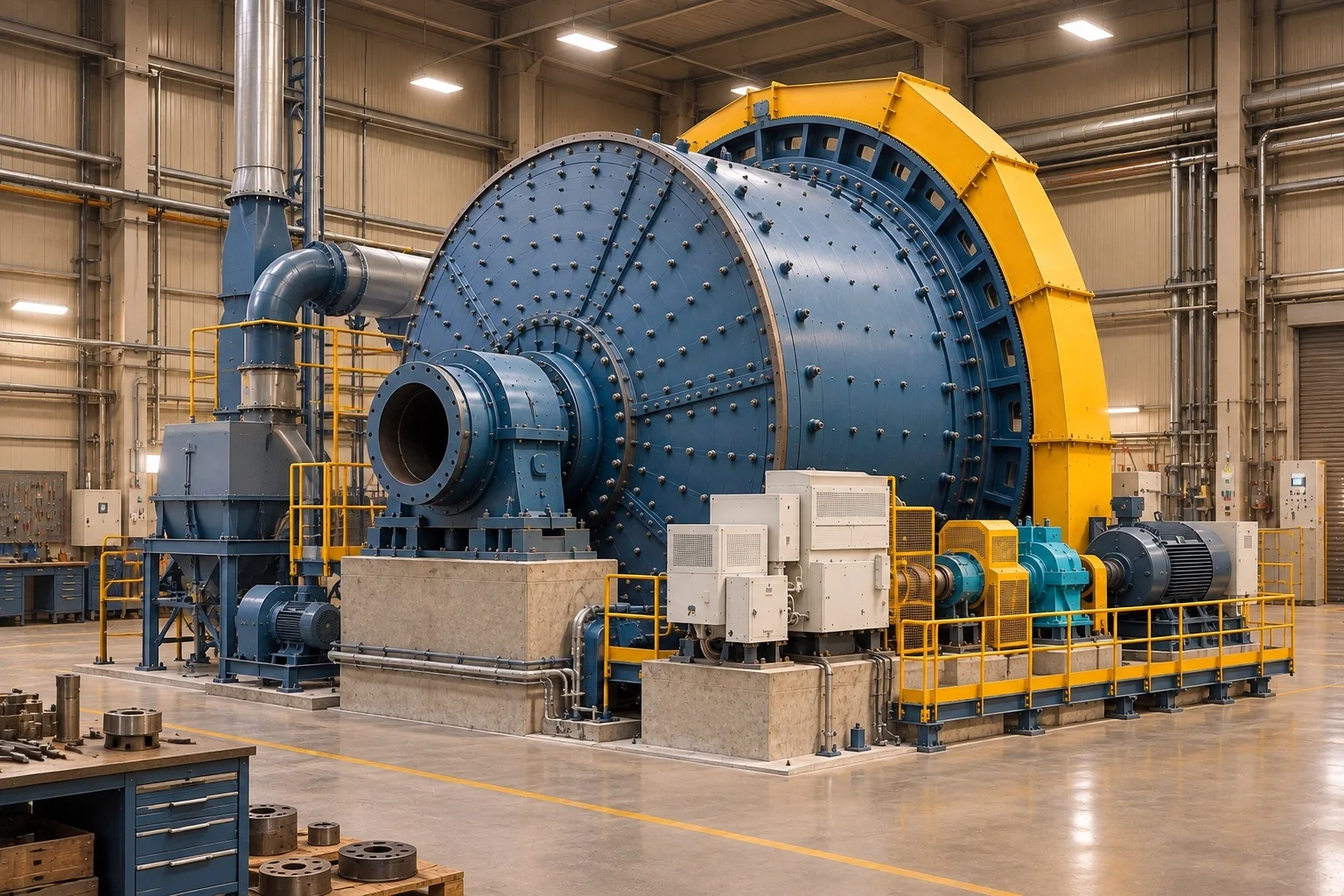
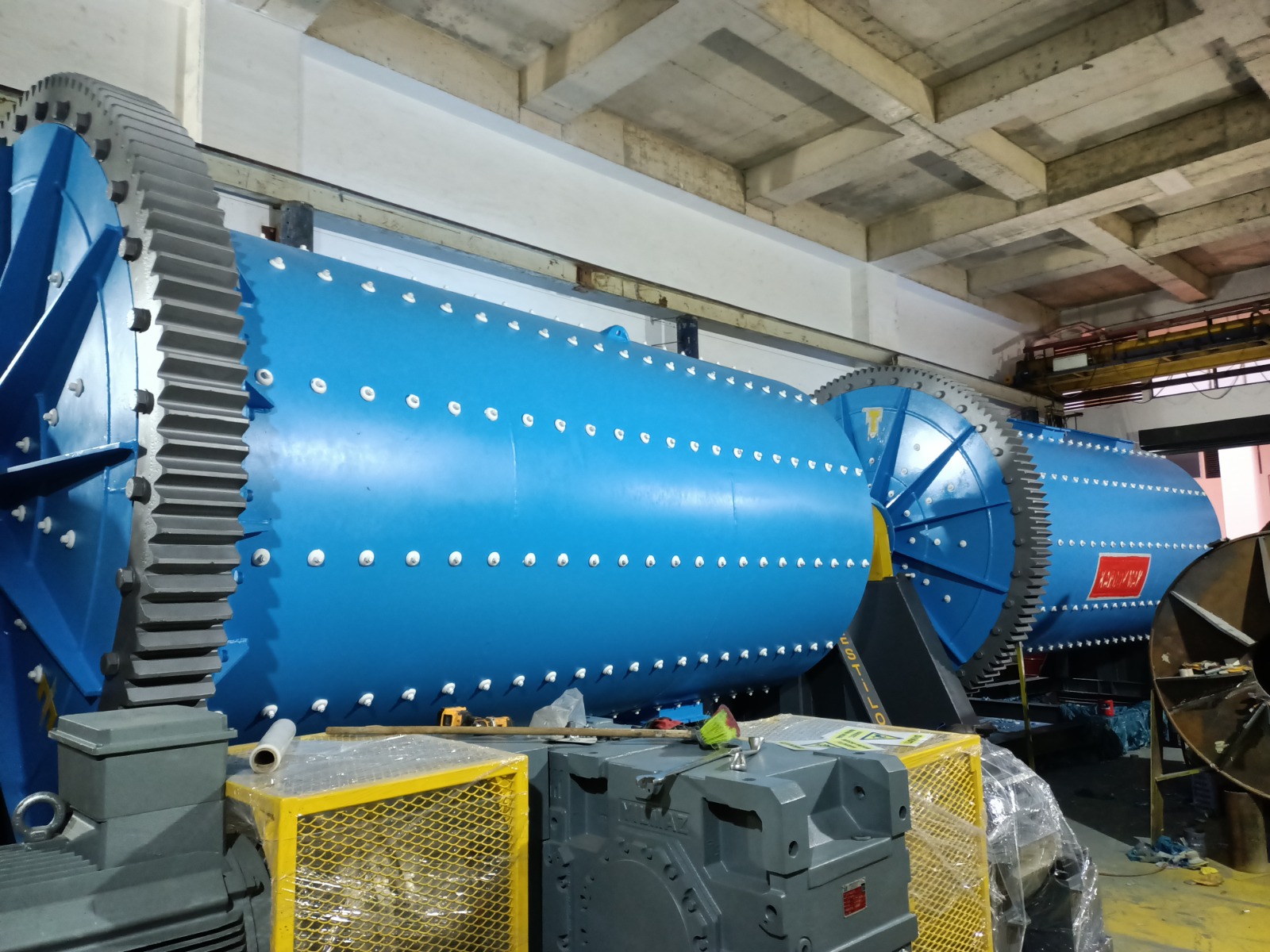
Platinum-group metals commonly occur as fine PGM minerals or in association with sulfides. Preparation aims to achieve sufficient liberation without unnecessary fines.
- Metal group
- Pt, Pd, Rh, Ru, Ir, Os
- Common association
- Ni-Cu sulfides and fine PGM minerals
- Preparation objective
- Controlled liberation and classification
Why is PGM ore more than 'platinum ore'?
The platinum group contains six metals that can occur in different mineral phases, often with nickel-copper sulfides. When valuable minerals are very fine, detailed mineralogical characterization becomes critical.
How is the grinding target defined?
In hard-rock ore, crushing and grinding aim to liberate PGM-bearing phases from gangue and associated sulfides to the degree required by downstream separation. Excess fines can make flotation or other separation more difficult.
Why can the circuit be staged?
Classifying sufficiently liberated material after an initial grind allows locked particles to receive additional grinding. This can be preferable to grinding the entire feed to a very fine size.
Characterization data
- PGM mineral species and grain size
- Association with Ni-Cu sulfides
- Feed hardness
- Liberation curve
- Target PSD for downstream beneficiation