Pyrite is a very common FeS₂ iron-sulfide mineral. Depending on the ore, it can act as gangue, as a carrier associated with valuable metals, or as a sulfide phase that controls processing behaviour.
- Formula / structure
- FeS₂
- Ore role
- Common sulfide; gangue or carrier phase depending on ore
- Preparation focus
- Sulfide liberation and selective separation
What is Pyrite and how does it occur in ore?
Pyrite’s metallic appearance does not by itself indicate economic value. In gold, copper, lead or zinc ores it can occur as separate grains or be intergrown with valuable sulfides.
Why should pyrite not be generalized as a “gold mineral”?
In some gold ores, gold can occur within pyrite at microscopic or submicroscopic scale; in other ores pyrite is simply a gangue sulfide. Mineralogical and metallurgical testing is needed to distinguish those cases.
Which behaviour matters during ore preparation?
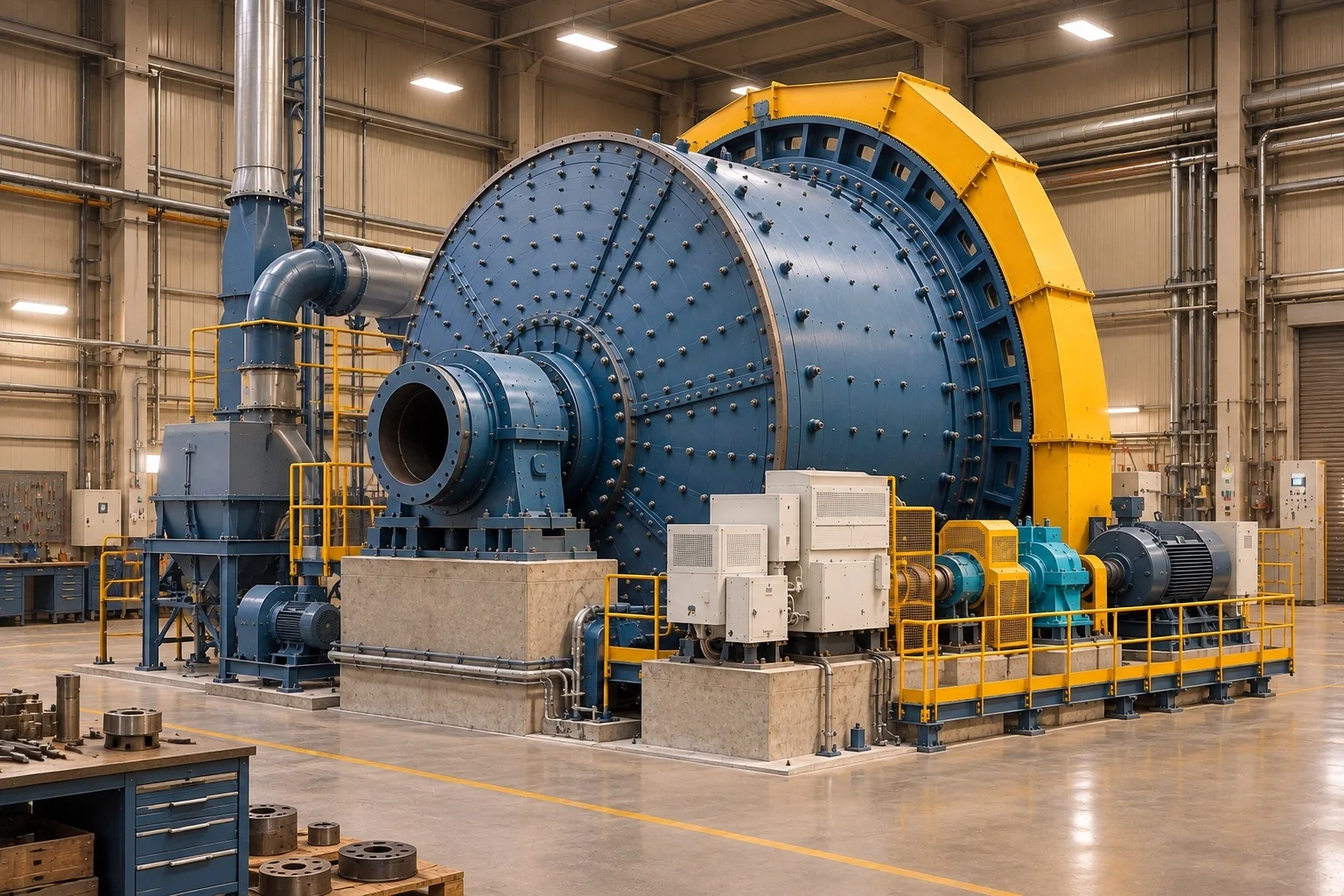
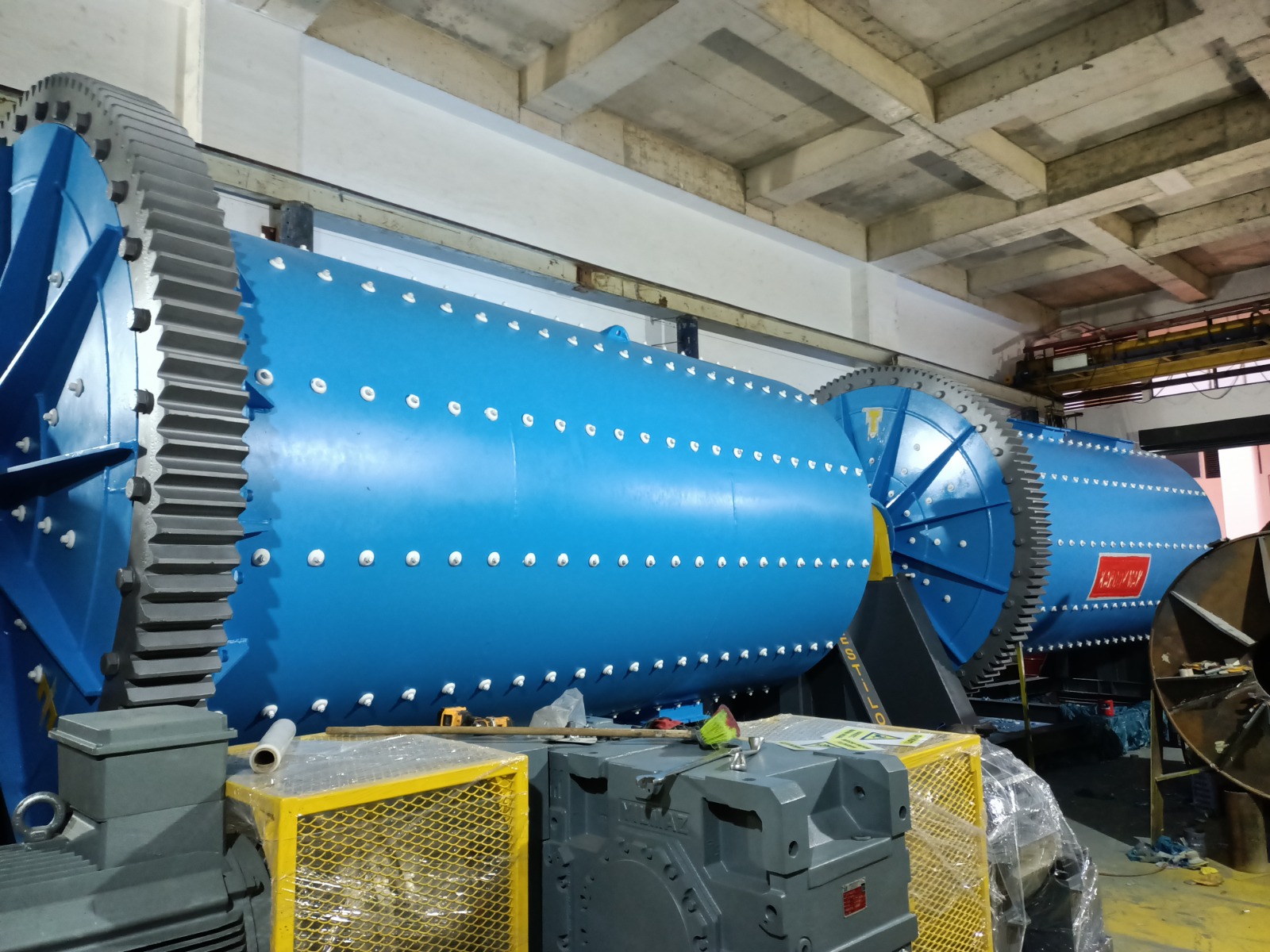
Crushing and grinding should expose boundaries between pyrite and target minerals. Unnecessary overgrinding can create very fine sulfide particles that are harder to separate selectively.
Pyrite can form oxidation products when exposed to air and water, so stockpile and tailings behaviour should be considered separately from comminution performance.
Which inputs should be verified?
- Pyrite grain size and texture
- Association with valuable minerals
- Sulfide distribution and total sulfur
- Fine fraction after grinding
- Oxidation and storage conditions