Bastnäsite is a fluorocarbonate mineral that can host light rare-earth elements and is important in some carbonatite-related ores. Its mineral chemistry differs from monazite.
- Formula / structure
- (Ce,La)(CO₃)F (generalized)
- Ore role
- Important light-REE ore mineral
- Preparation focus
- Liberation from carbonate gangue and selective preparation
What is Bastnäsite and how does it occur in ore?
Bastnäsite in carbonatites can occur with calcite, dolomite, barite, fluorite and other REE minerals. Abundant carbonate gangue strongly affects grinding and flotation feed preparation.
Why is carbonatite bastnäsite different from placer monazite?
Bastnäsite may be locked in primary rock and require liberation from carbonate gangue, whereas placer monazite commonly occurs as naturally liberated heavy grains.
Which behaviour matters during ore preparation?
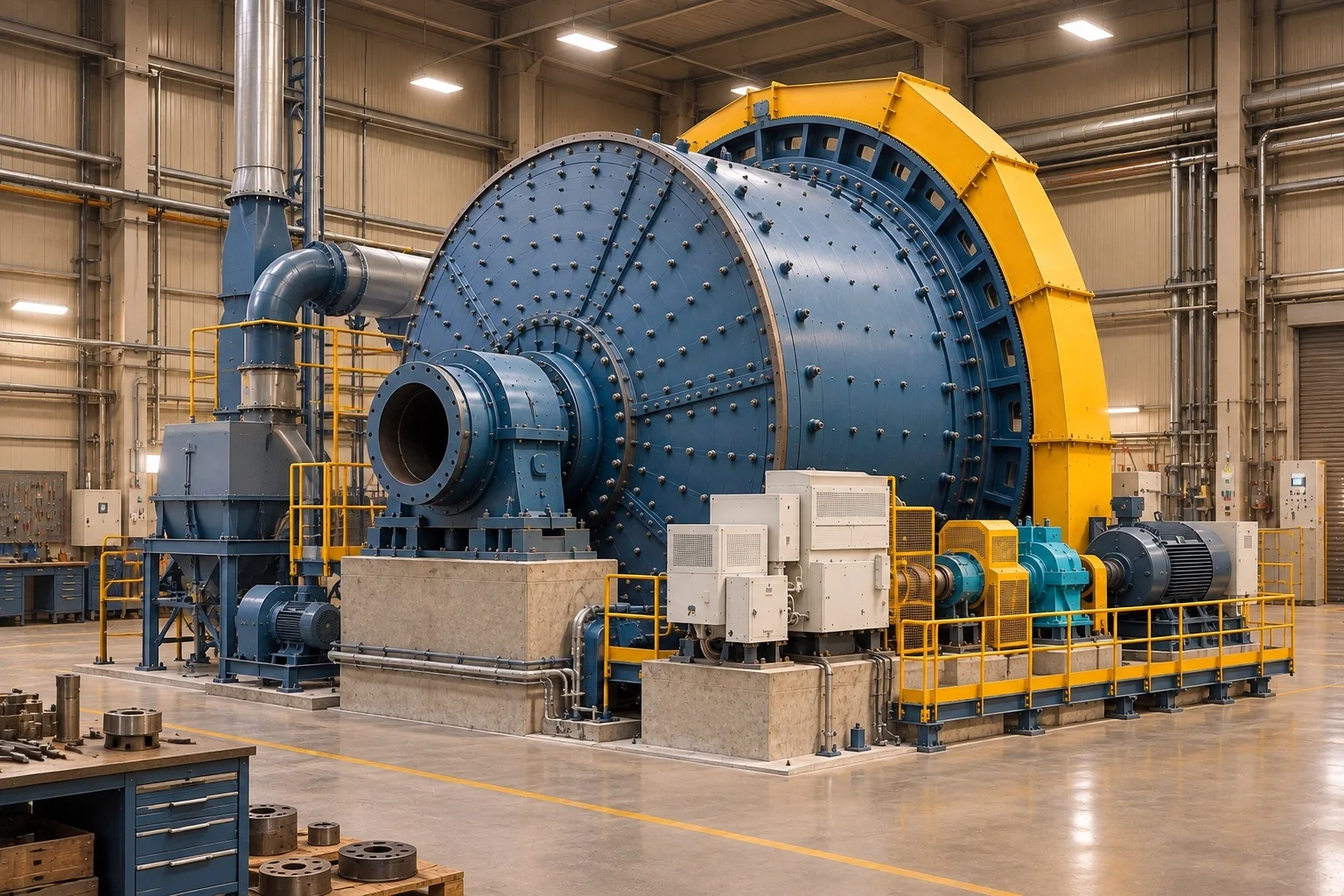
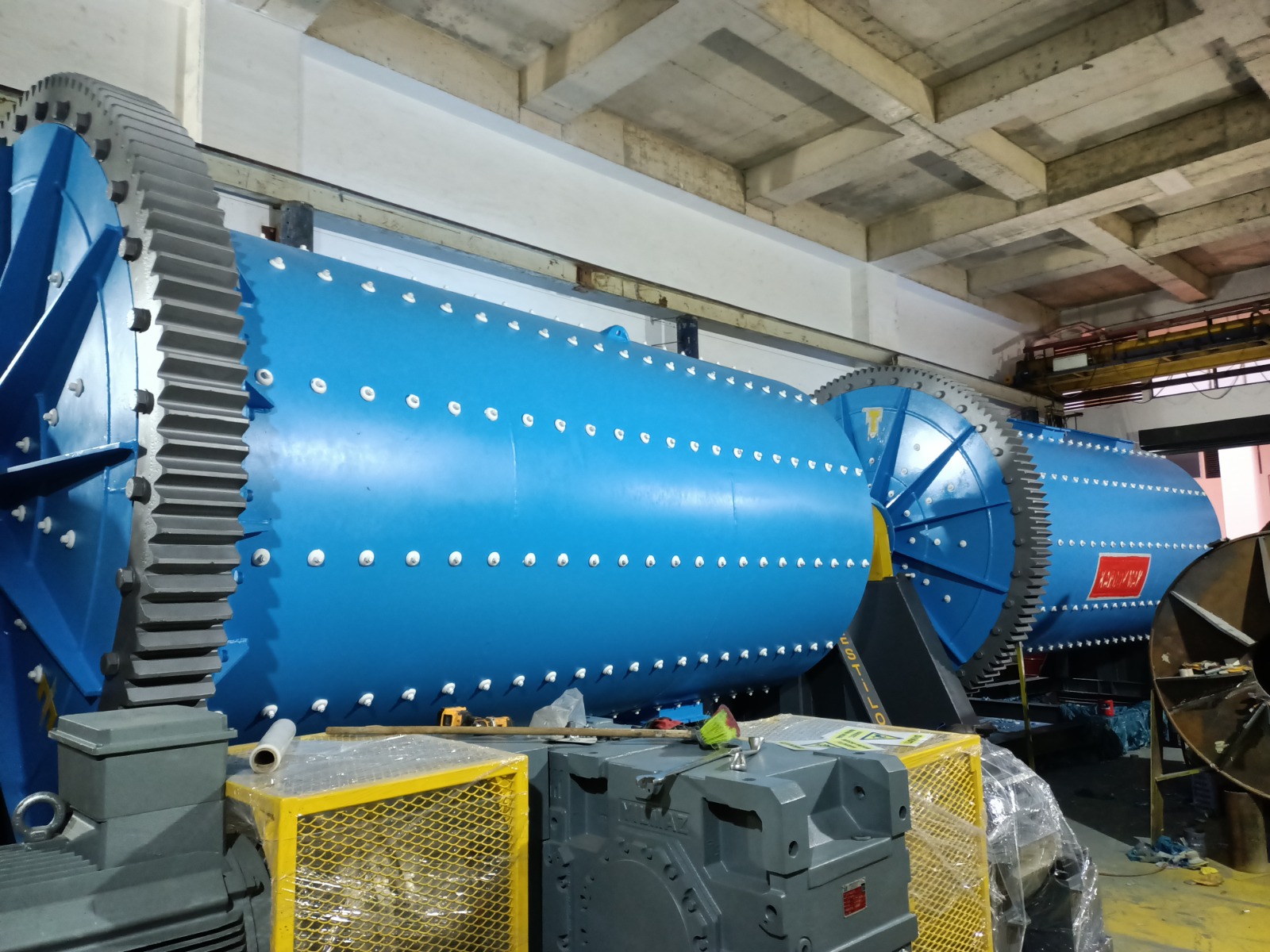
Grinding should expose bastnäsite grains without producing excessive carbonate fines. Fine carbonate slimes can make downstream selective separation more difficult.
Bulk rare-earth assays do not define REE mineralogy. The proportions of bastnäsite, monazite and other REE phases should be identified.
Which inputs should be verified?
- Bastnäsite grain size
- Carbonate and barite/fluorite gangue
- REE mineral phases
- Liberation size
- Generation of fine carbonate slimes