
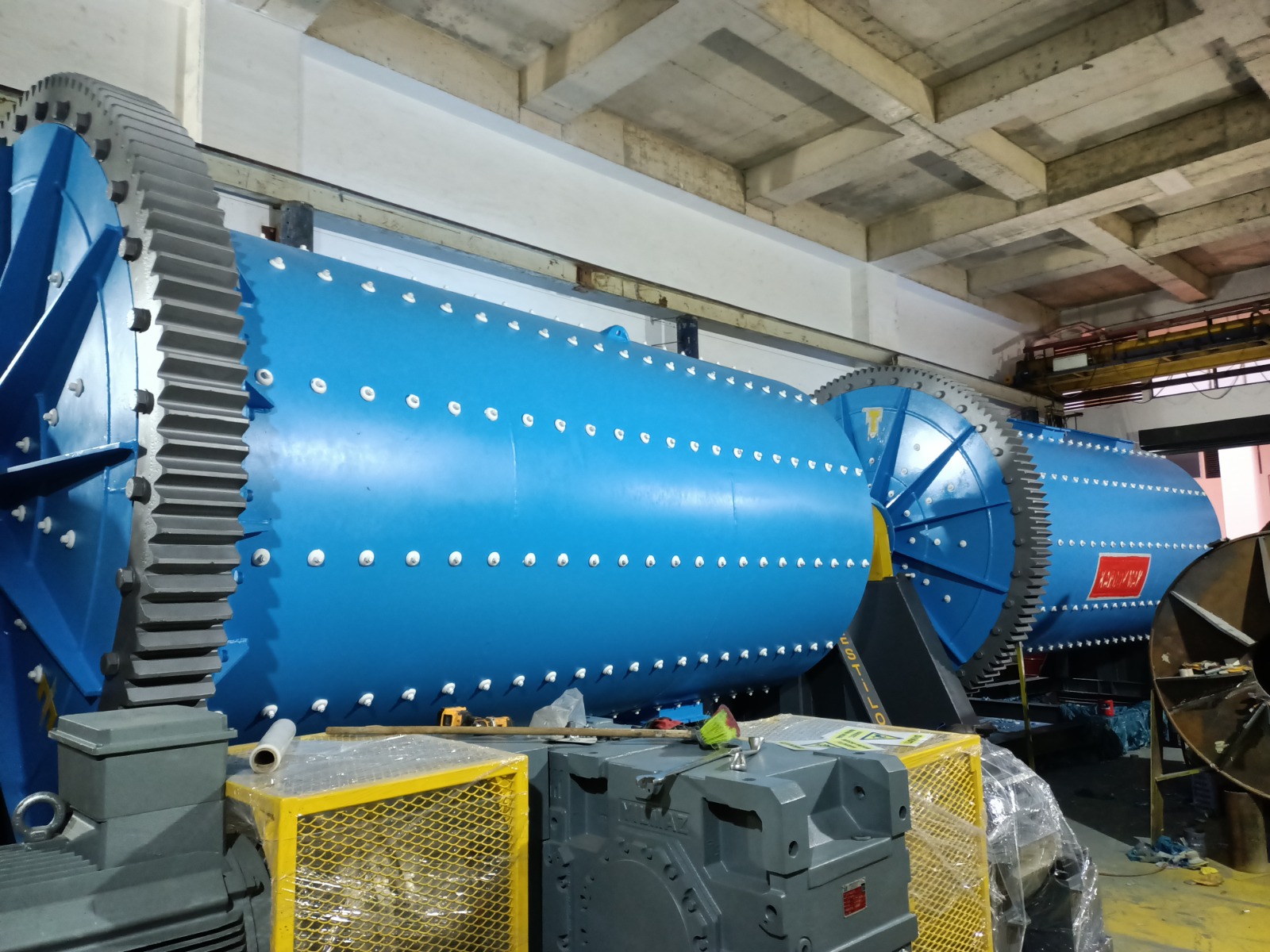
Monazite is a phosphate mineral group commonly rich in light rare-earth elements and can also contain thorium. It occurs in heavy-mineral sands and primary rocks with different preparation requirements.
- Formula / structure
- (Ce,La,Nd,Th)PO₄ (generalized)
- Ore role
- Important REE-bearing and sometimes Th-bearing heavy mineral
- Preparation focus
- Prepare heavy-mineral grains while preserving separability
What is Monazite and how does it occur in ore?
Placer monazite commonly occurs as liberated grains with ilmenite, rutile, zircon and magnetite. Hard-rock monazite can instead be finely locked in gangue.
Why are monazite and bastnäsite different REE feed minerals?
Monazite is a phosphate, while bastnäsite is a fluorocarbonate. Their REE distribution, Th/U content and downstream chemical behaviour can differ, so physical preparation should preserve distinct mineral fractions where possible.
Which behaviour matters during ore preparation?
Unnecessary grinding of placer monazite can reduce already liberated grains and make separation harder. Controlled grinding may be needed for hard-rock sources to achieve liberation.
Where radioactive elements are present, sample, dust and residue handling requires appropriate regulatory and specialist controls. Mechanical preparation does not remove that responsibility.
Which inputs should be verified?
- Monazite grain size and source type
- REE distribution
- Th/U content
- Ilmenite-rutile-zircon association
- Liberation or natural grain freedom