Beryl is the Be₃Al₂Si₆O₁₈ beryllium-aluminium silicate. Emerald and aquamarine are gem varieties of beryl, while industrial beryllium feed is evaluated by different criteria from gem quality.
- Formula / structure
- Be₃Al₂Si₆O₁₈
- Ore role
- Important beryllium mineral in pegmatites
- Preparation focus
- Liberate beryl from quartz-feldspar-mica gangue
What is Beryl and how does it occur in ore?
Beryl occurs in granitic pegmatites with quartz, feldspar, mica, spodumene and Nb-Ta minerals. Coarse crystals can create opportunities for selective breakage or sensor-based preconcentration, but not in every ore.
Why are beryl and bertrandite different beryllium feed minerals?
Beryl is a hard silicate mineral, whereas bertrandite is a chemically and physically different beryllium silicate-hydroxide phase. Ore type changes grinding and downstream treatment requirements.
Which behaviour matters during ore preparation?
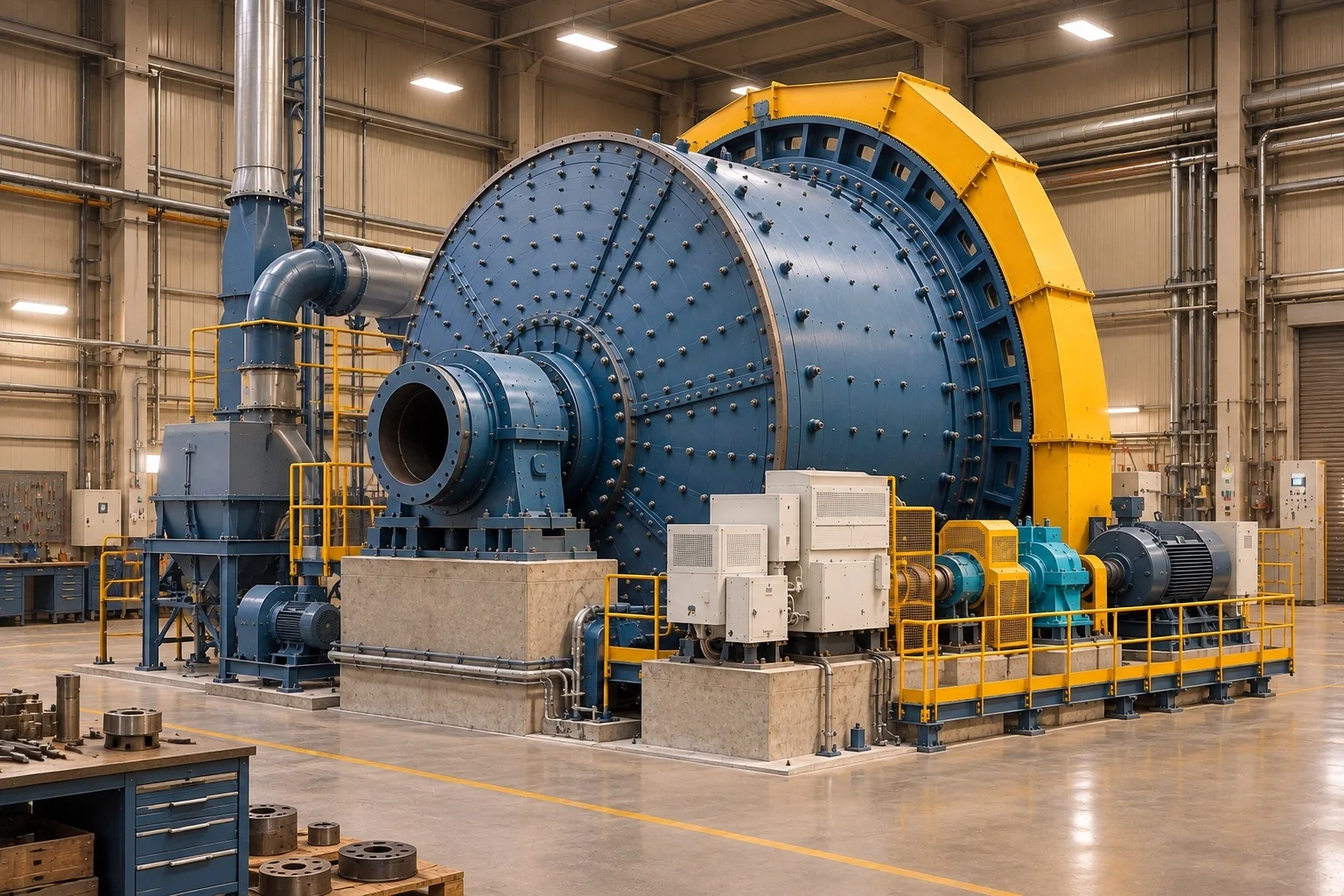
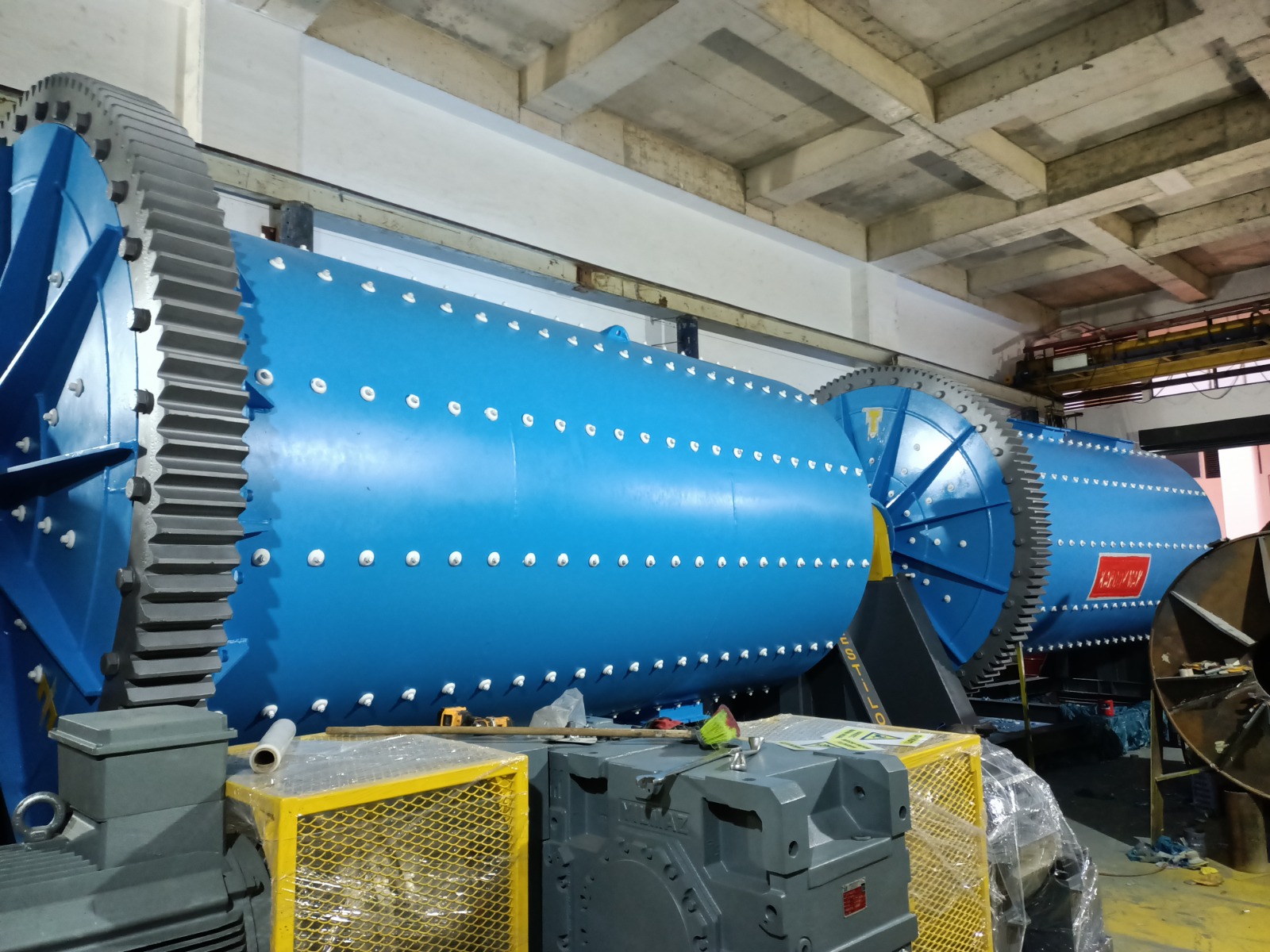
In pegmatite beryl, crushing and grinding should achieve liberation from quartz and feldspar. Similar hardness among silicate minerals means clean separation should not be assumed from breakage behaviour alone.
Beryllium-bearing dust requires strict occupational control. Material preparation should be designed together with appropriate enclosure, dust collection and safety requirements.
Which inputs should be verified?
- Beryl crystal size
- Pegmatite gangue mineralogy
- Other Be-bearing phases
- Liberation size
- Dust and occupational controls