
Beryl and bertrandite are important beryllium mineral sources. Pegmatite-hosted beryl and other bertrandite-bearing deposits do not share one preparation route.
- Major minerals
- Beryl and bertrandite
- Deposit distinction
- Pegmatite and different bertrandite systems
- Preparation objective
- Liberation of valuable mineral from gangue
Why are beryl and bertrandite evaluated separately?
Beryl is commonly associated with granitic pegmatites and can occur with quartz, feldspar, mica or lithium minerals. Bertrandite-bearing deposits can have different mineral textures.
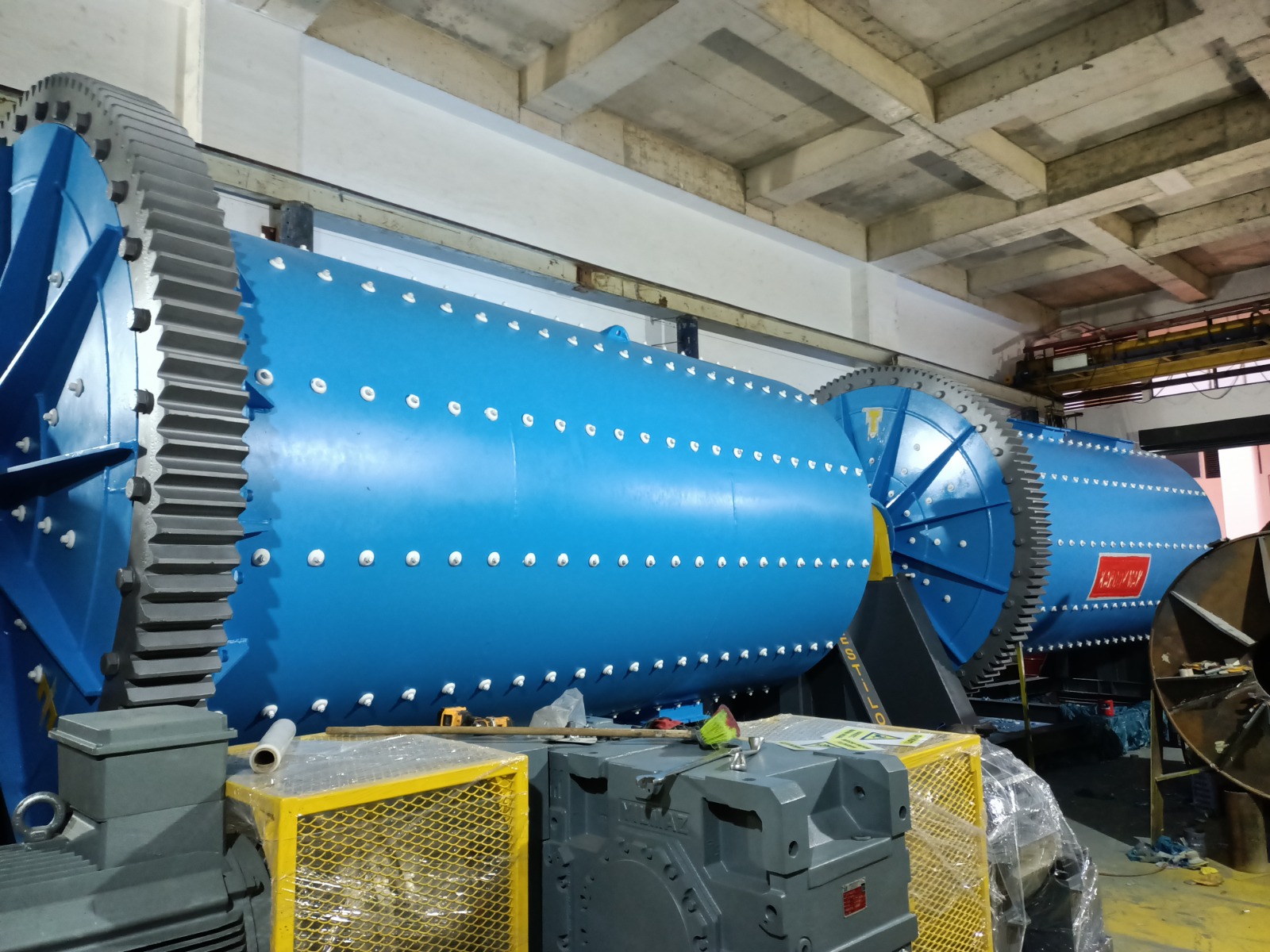
How is grinding considered for pegmatite ore?
The objective is sufficient liberation of the beryllium mineral from associated silicates. Overgrinding can create fines that reduce separation performance and compromise potential recovery of multiple mineral products.
Why does mineralogy matter before bulk chemistry?
A total beryllium assay does not reveal valuable-mineral grain size or locking. Mineralogical methods such as microscopy or automated mineralogy can provide more direct process information.
Process inputs
- Beryllium-bearing mineral species
- Pegmatite minerals and gangue
- Particle size and liberation
- Fine-fraction behaviour
- Feed requirements of downstream beneficiation/chemical processing