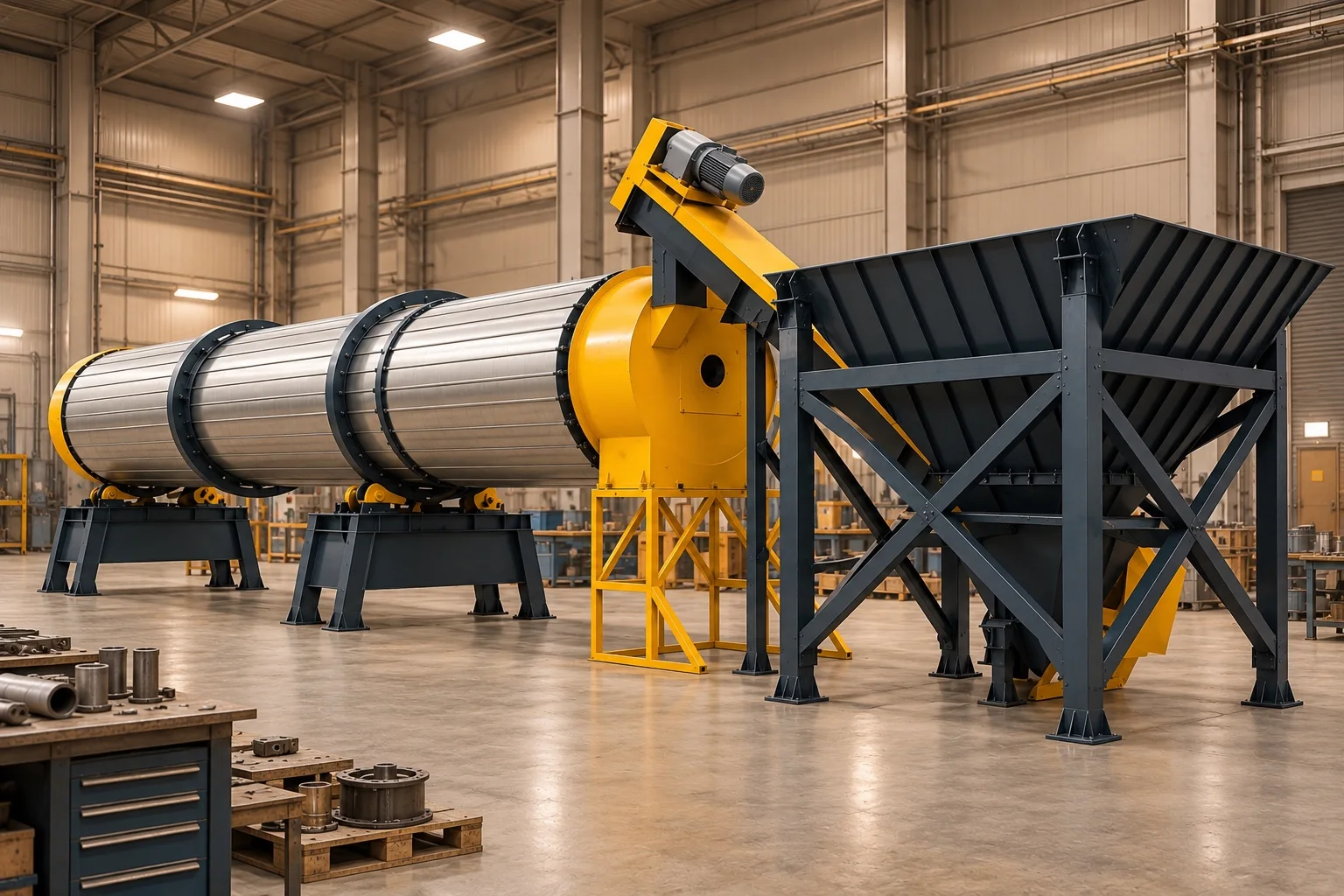
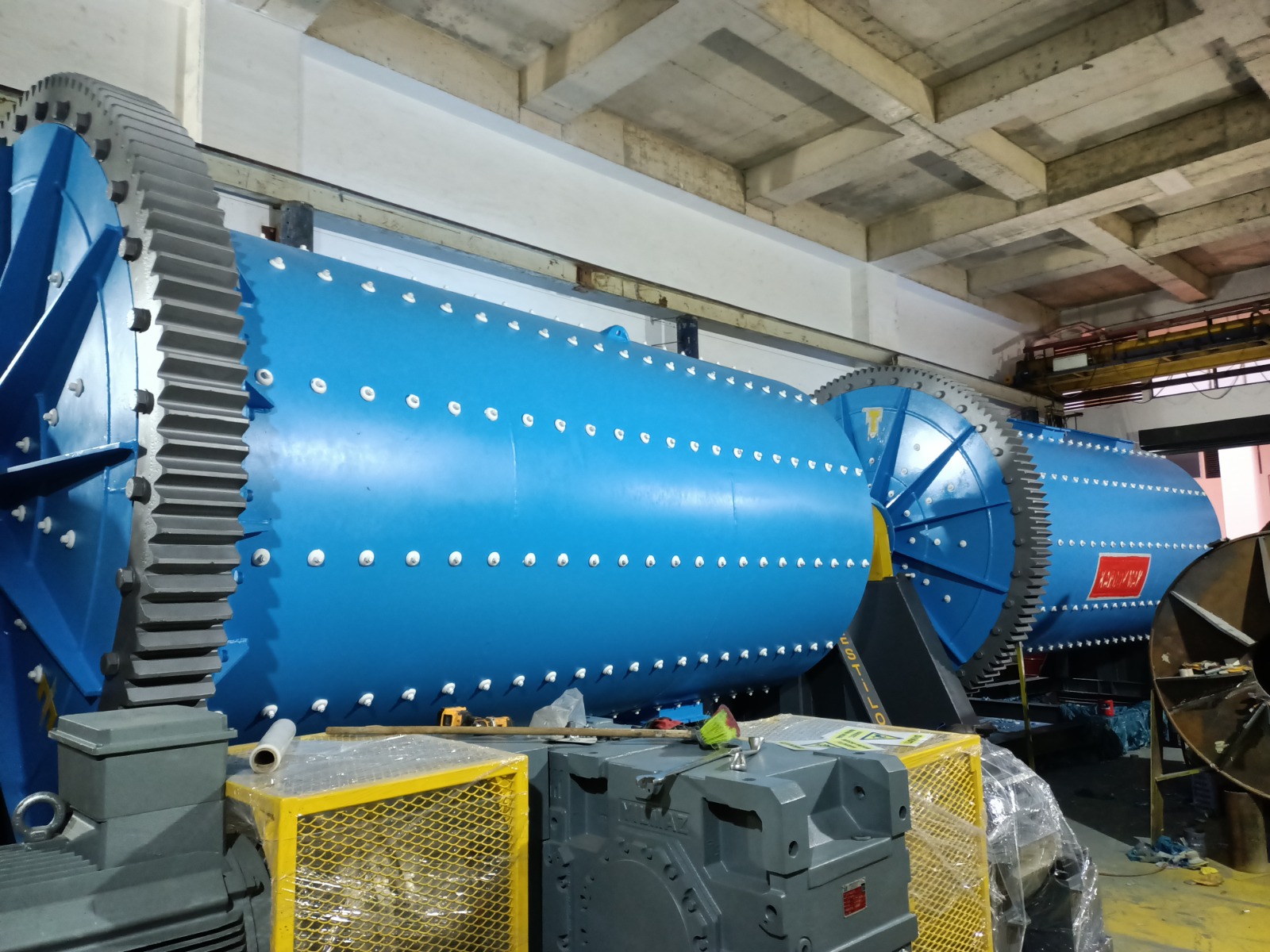
Lithium is produced not only from brines but also from hard-rock ores containing lithium minerals such as spodumene, lepidolite and petalite. This page focuses on mechanical preparation of hard-rock ore rather than brine extraction.
- Scope
- Hard-rock lithium ores
- Example minerals
- Spodumene, lepidolite, petalite
- Important distinction
- Mechanical preparation ≠ chemical lithium refining
Why separate hard-rock lithium from brine lithium?
In brines lithium is present as dissolved ions, whereas in hard-rock ore it is bound within specific mineral structures. Crushing, grinding and mineral liberation are therefore direct ore-preparation problems for hard-rock routes, not brine extraction.
Combining both sources under one generic “lithium” process description obscures the very different preparation requirements of brines and hard-rock ores.
What do crushing and grinding target in spodumene ore?
Spodumene commonly occurs with pegmatite minerals such as quartz and feldspar. Preparation aims to liberate the lithium mineral and create a size range suitable for downstream dense-media, flotation or other beneficiation steps.
Grinding intensity is tested against mineral grain size and the chosen separation route.
Where does thermal or chemical conversion begin?
Downstream refining of spodumene concentrate can involve thermal conversion and chemical treatment. Those steps require different process expertise from mechanical ore preparation.
Mechanical ore preparation and downstream thermal or chemical refining should therefore be evaluated as separate process packages.
Project inputs
- Lithium-bearing mineral species and grain size
- Quartz-feldspar-mica gangue
- Feed PSD and moisture
- Liberation and beneficiation testwork
- Downstream concentrate/chemical-process feed specification