
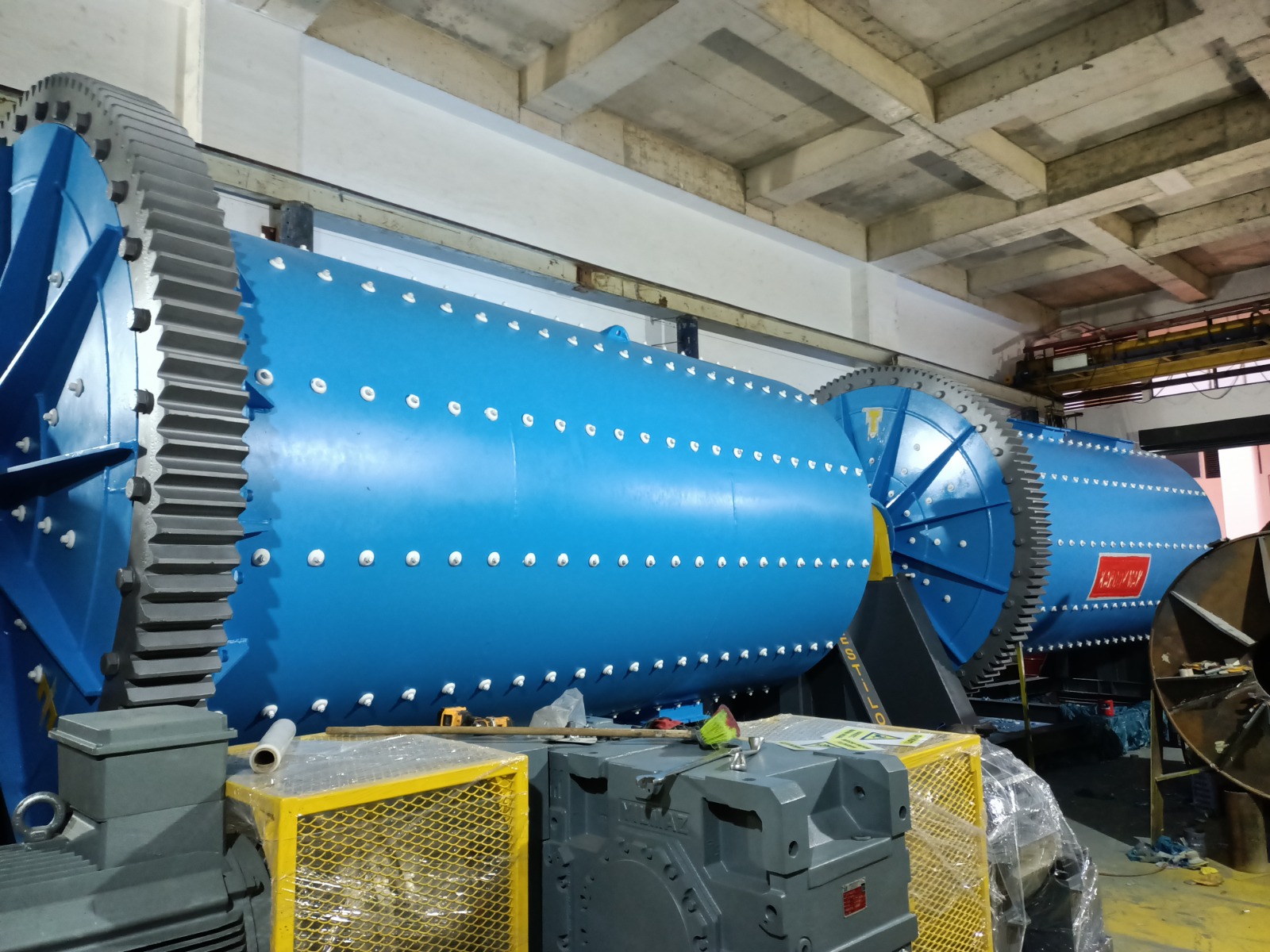
Bismuth is commonly recovered as a byproduct of processing other metal ores, especially lead-bearing systems, rather than from a large standalone bismuth ore stream. Preparation is therefore considered with the host ore.
- Common production route
- Byproduct of lead and other metal ores
- Process context
- Multi-metal ore system
- Preparation objective
- Track bismuth-bearing phases without compromising primary products
Why is bismuth commonly a byproduct metal?
Economic bismuth production is often associated with lead ores and some tin or tungsten processing streams. 'Bismuth ore' therefore does not always mean a standalone mine with a separate crushing-and-grinding circuit.
Why does mineralogy matter as much as the primary metal?
Bismuth can occur as native metal, sulfides or complex sulfosalt phases. Its host phase influences whether it reports with the primary concentrate or another stream.
How is mechanical preparation considered?
The grinding target is evaluated together with liberation of the primary lead, tin or tungsten minerals. Finer grinding solely for bismuth can compromise the main product.
Characterization questions
- Bismuth-bearing mineral or phase
- Primary-metal mineral system
- Particle size and locking
- Distribution of bismuth between concentrate and tailings
- Downstream metallurgical separation objective