
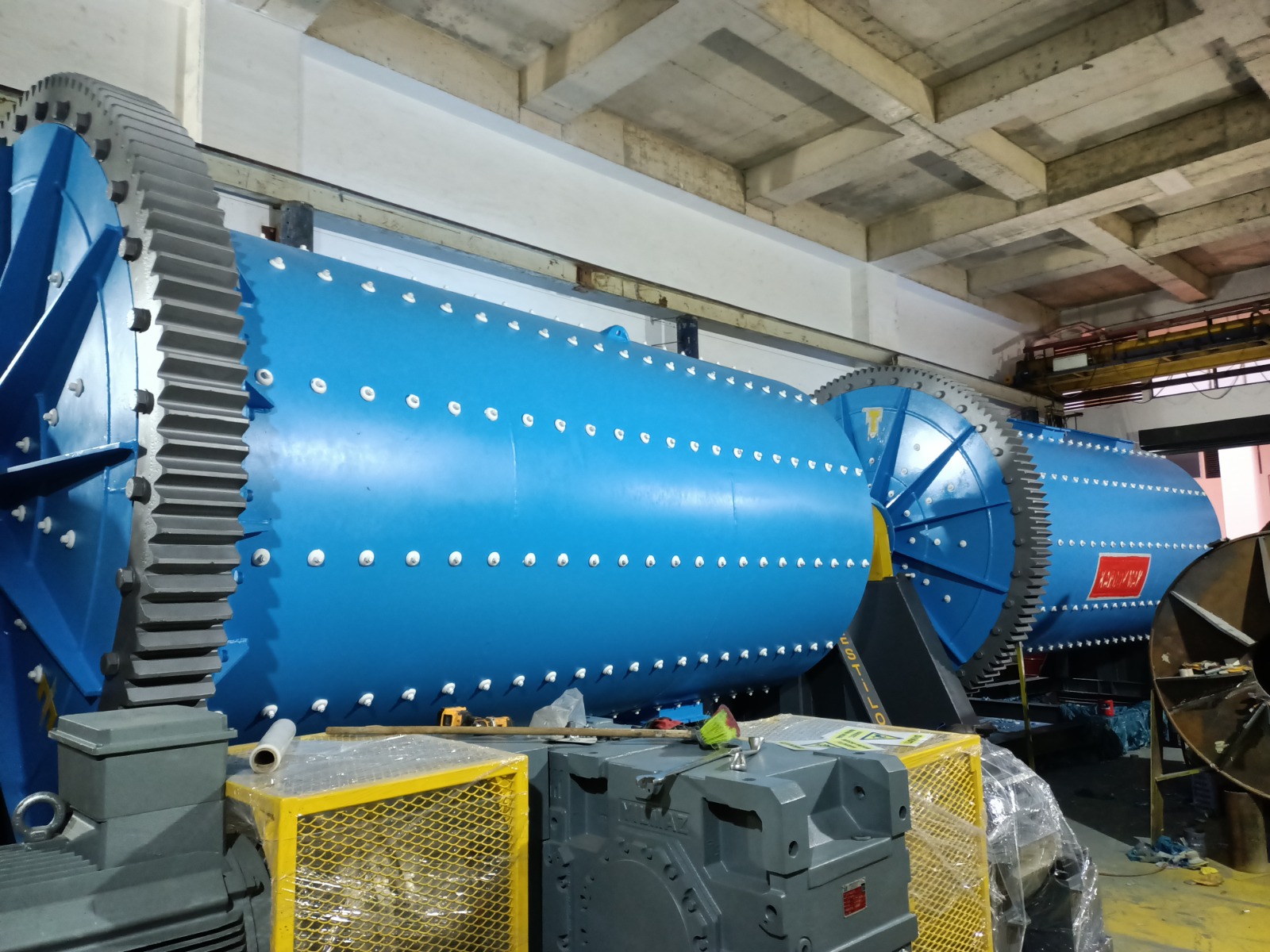
Scheelite and wolframite-group minerals are major tungsten ore minerals. Their high density can make gravity separation important, while excessive grinding into fines can make valuable-mineral recovery more difficult.
- Principal minerals
- Scheelite and wolframite
- Important property
- High density
- Preparation risk
- Excessive generation of fine tungsten minerals
Do scheelite and wolframite behave the same?
Scheelite is calcium tungstate, while wolframite is an iron-manganese tungstate series. Both are dense, but magnetic response, gangue association and surface properties can differ.
No single separation device or particle size can therefore be prescribed for “tungsten ore” in general.
Why are staged crushing and sizing important?
If valuable tungsten minerals liberate at a coarse size, early gravity-recovery opportunities may exist. Unnecessarily grinding the whole feed fine can create value losses in slimes and harder dewatering.
Staged crushing, screening and intermediate sampling help identify where liberation occurs.
Boundary among gravity, magnetic separation and flotation
High density can favour gravity methods; properties of wolframite can support magnetic separation, while fine scheelite may be treated by flotation routes. The combination depends on ore testwork.
These methods are considered as downstream separation options that define the particle-size and feed conditions required from the preparation circuit.
Engineering data
- Scheelite/wolframite proportion and grain size
- Gangue mineralogy
- Liberation profile after crushing
- Amount of fine fraction
- Downstream gravity/magnetic/flotation testwork