
Cassiterite is SnO₂ and the principal economic mineral of tin. Its high density and weathering resistance create a useful physical contrast, especially in placer deposits with liberated grains.
- Formula / structure
- SnO₂
- Ore role
- Principal tin ore mineral
- Preparation focus
- Liberation and size control that preserve density contrast
What is Cassiterite and how does it occur in ore?
Cassiterite occurs in granite-related veins, greisens and pegmatites with quartz, tourmaline and sulfides, and it can also accumulate as naturally liberated heavy grains in placers.
Why do hard-rock and placer cassiterite require different preparation?
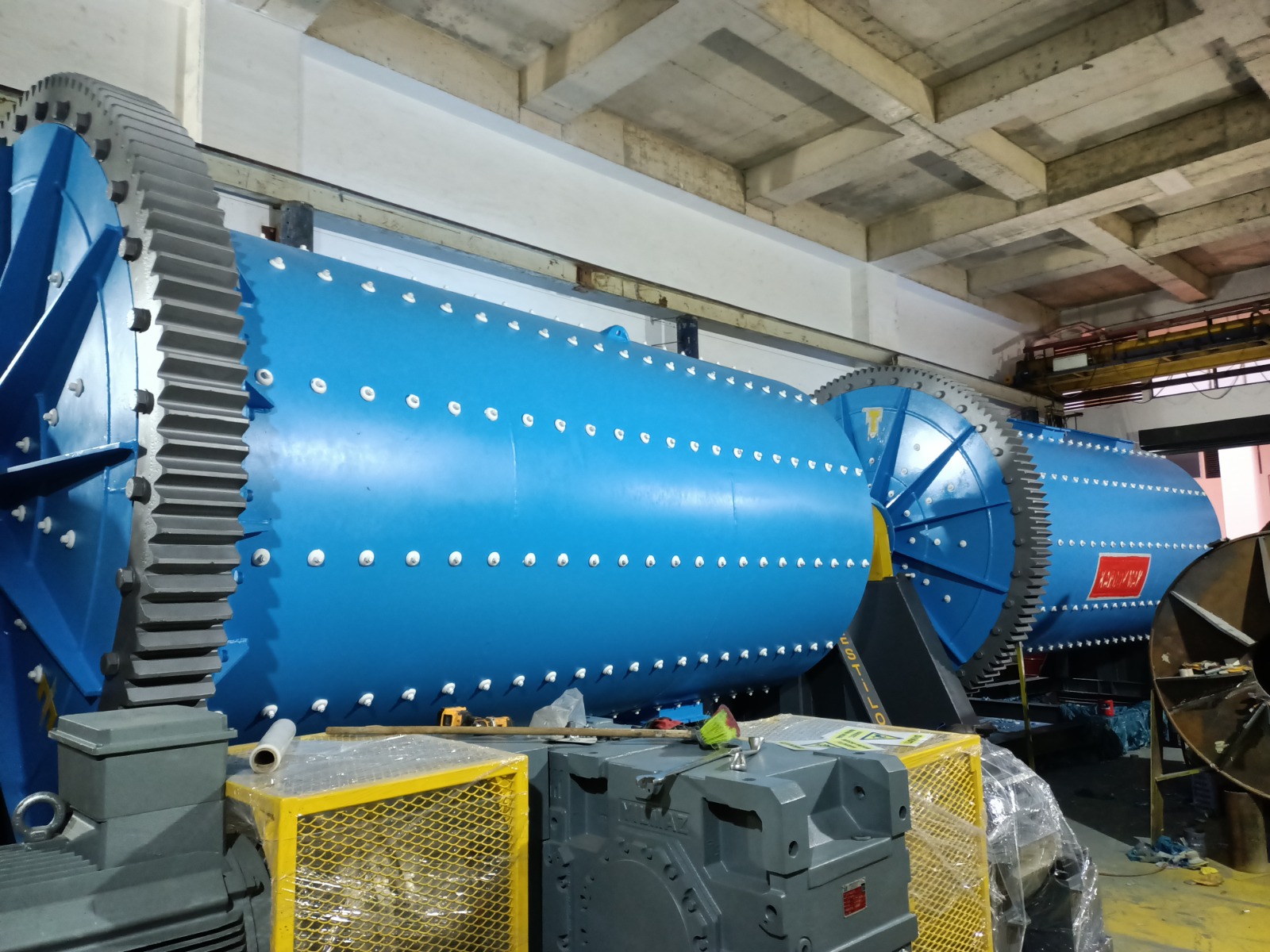
Hard-rock ore may require crushing and grinding to release cassiterite from gangue. In placer material, washing, sizing and preservation of heavy grains can be more important than additional grinding.
Which behaviour matters during ore preparation?
Cassiterite’s high density is favourable for gravity separation, but very fine cassiterite can be difficult to recover in gravity circuits. Avoiding unnecessary fines generation is therefore important.
Where associated sulfides are present, the order of gravity and flotation stages can vary with ore characteristics. One universal tin-ore flowsheet should not be assumed.
Which inputs should be verified?
- Cassiterite liberation size
- Hard-rock or placer origin
- Density and particle-size distribution
- Associated sulfide minerals
- Fine cassiterite losses