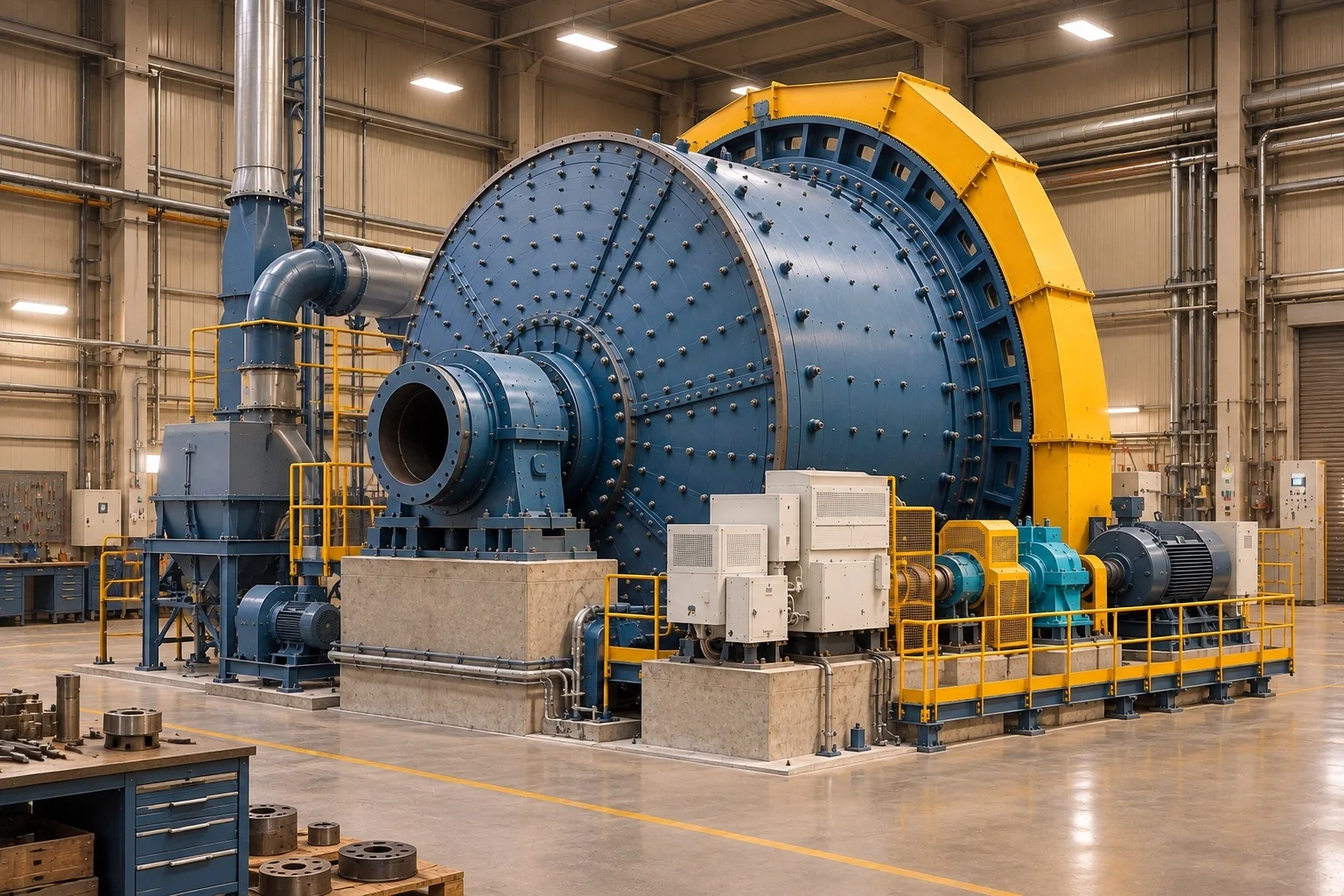
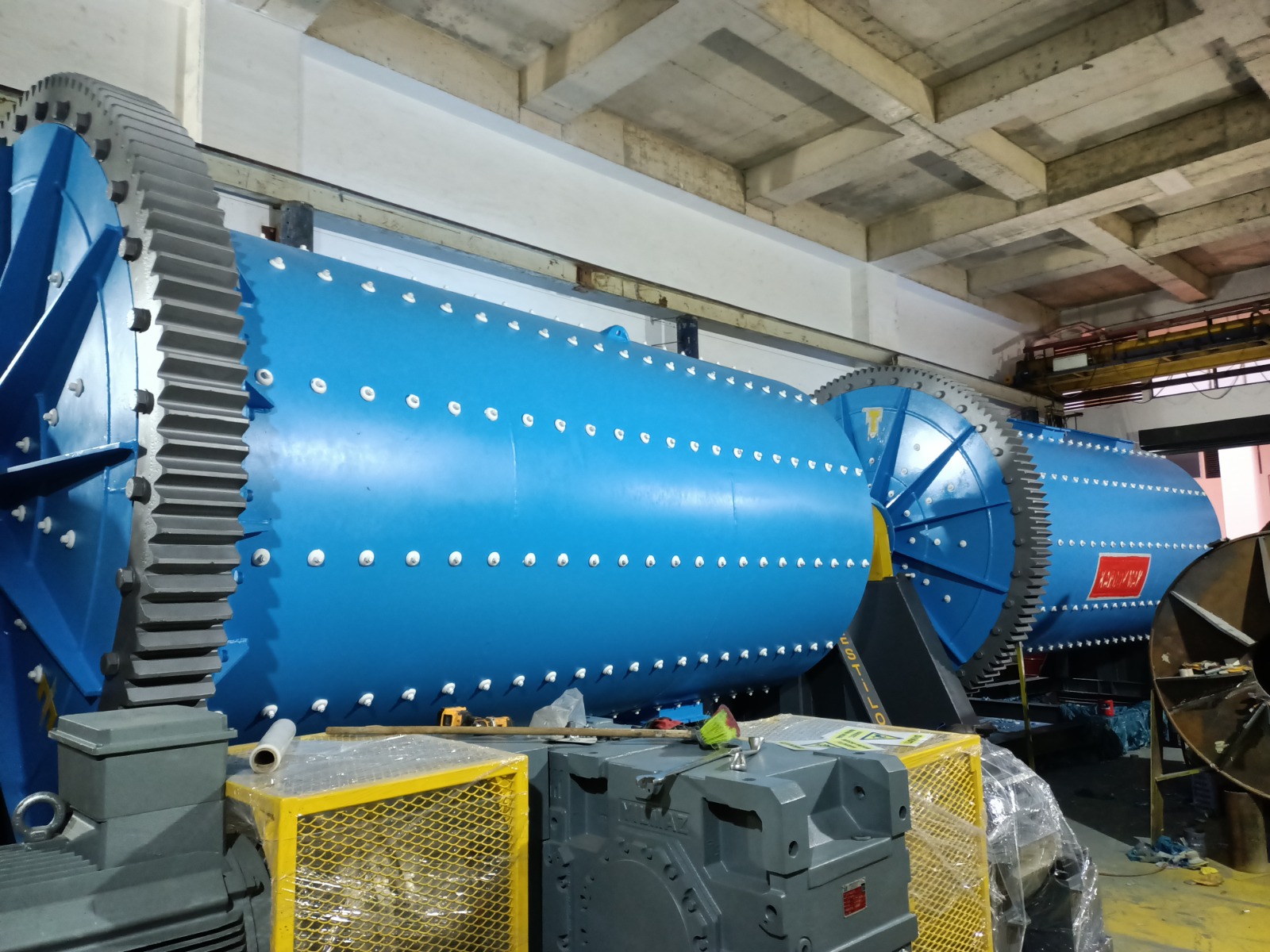
Cobalt is often recovered economically with copper or nickel rather than from a standalone ore system. Minerals such as cobaltite or oxidized cobalt phases can occur, so preparation must be considered within the host ore system.
- Economic context
- Often a co-product/by-product with Cu/Ni
- Example mineral
- Cobaltite
- Preparation principle
- Evaluate mineralogy within the host ore system
Why is cobalt often not a single-metal ore?
Cobalt deposits and production chains are frequently linked to copper or nickel mineralisation. Total cobalt assay is therefore less informative than identifying the cobalt-bearing mineral and its grain-size relationship.
Testwork establishes whether cobalt reports with the main-metal concentrate, to a separate product, or to downstream chemical processing.
How do copper-cobalt and nickel-cobalt systems differ?
The balance of oxide and sulfide phases can dominate copper-cobalt ore preparation, while sulfide-versus-laterite character is critical in nickel-cobalt systems.
The cobalt-bearing phase is therefore evaluated within the mineralogy of the host copper or nickel ore system. Whether cobalt is recovered as a co-product or by-product changes the preparation objective.
Where is the role of grinding limited?
If cobalt is locked in a discrete mineral grain, grinding can support liberation. If cobalt is dispersed within a mineral lattice, smaller particle size does not itself create a liberated metal-bearing phase.
The feed requirement of downstream flotation, leaching or other metallurgy must therefore be defined in advance.
Decision inputs
- Mineralogical host of cobalt
- Associated copper/nickel and other minerals
- Sulfide, oxide or lateritic ore character
- Feed PSD and liberation behaviour
- Downstream metallurgical test results