Iron ore is not one mineral. Hematite and magnetite are major iron-bearing oxide minerals, and the preparation route depends on mineralogy, particle size, gangue and the downstream beneficiation step.
- Major minerals
- Hematite and magnetite
- Process distinction
- Magnetic response and liberation behaviour
- Preparation objective
- Controlled size for downstream beneficiation
Why is iron ore not a single feed type?
Hematite and magnetite enter the same iron value chain, but their mineralogical properties, gangue associations and beneficiation behaviour can differ. A mill or separation route is not selected from the label “iron ore” alone.
Ore texture and the distribution of iron minerals within gangue help define the liberation size and the intensity of crushing and grinding required.
What do crushing, screening and grinding do?
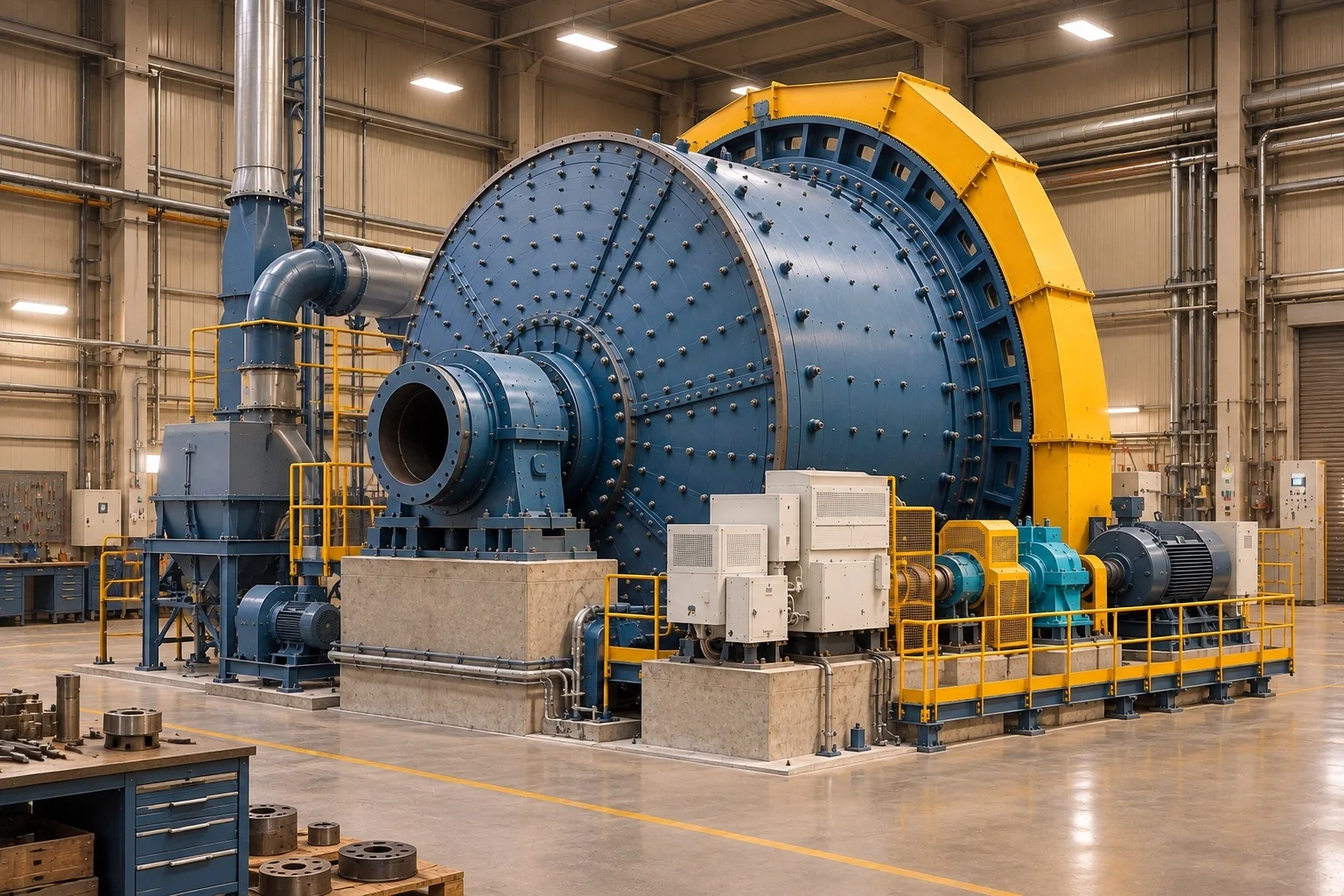
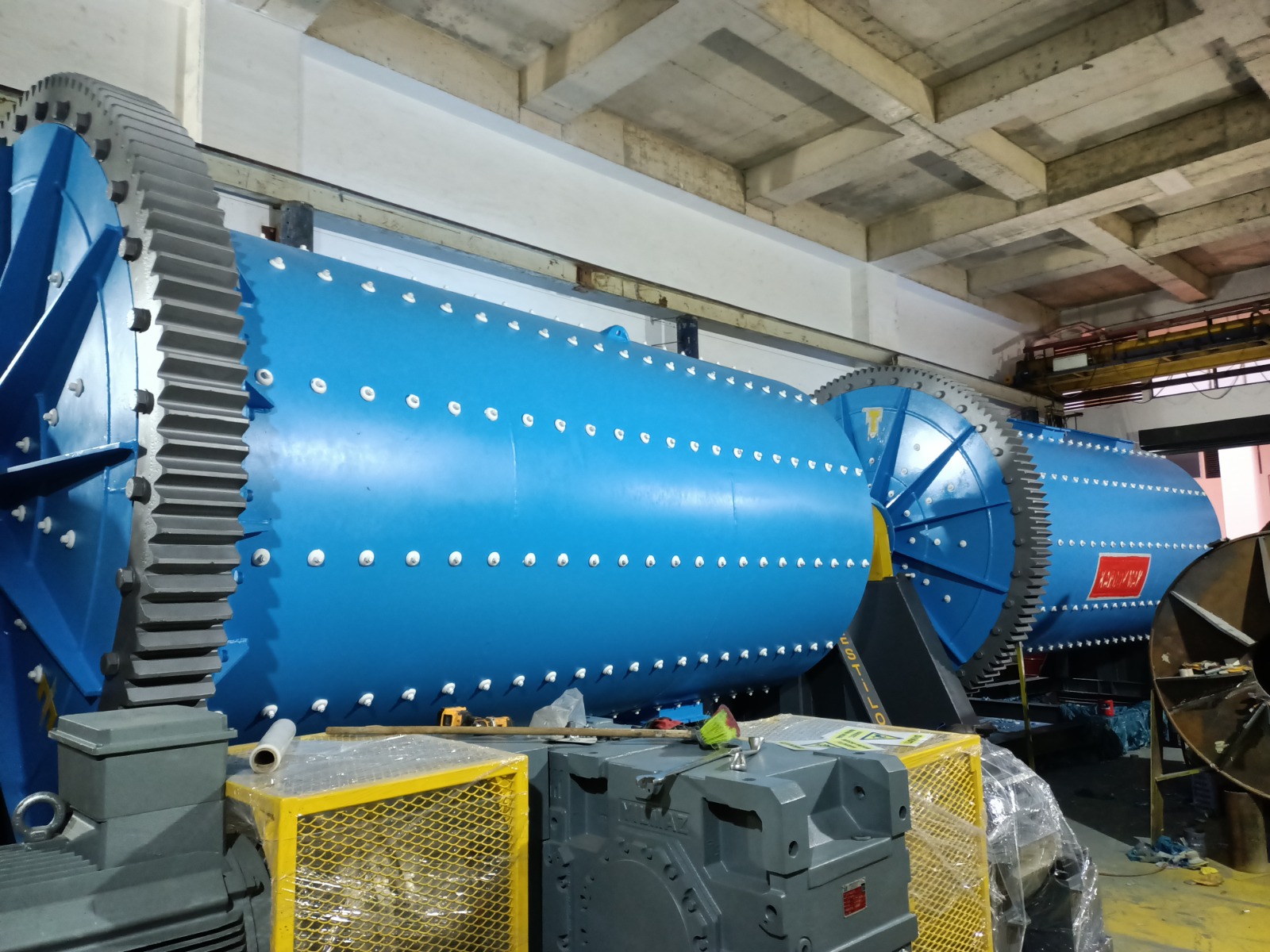
Crushing and screening reduce coarse feed into controlled fractions for downstream grinding or beneficiation. When fine grinding is required, the objective is not simply size reduction but sufficient liberation of iron minerals from gangue.
Excessive grinding can create unnecessary fines and increase water and classification duty, so the target PSD is validated with representative testwork.
Boundary between magnetic separation and preparation
Magnetite can favour magnetic-separation routes because of its magnetic response, while hematite may require different separation combinations. The preparation product is defined by the particle-size and feed conditions required by the selected separation step.
Crushing, grinding and classification form the preparation chain; downstream beneficiation technology is selected separately from mineralogical examination and testwork.
Engineering inputs
- Representative mineralogical and chemical analysis
- Feed particle-size distribution and moisture
- Liberation objective and downstream beneficiation step
- Abrasiveness, grindability and variability
- Target product PSD and design capacity