
Manganese ore can contain different oxide and carbonate minerals, with pyrolusite being an important example. Mineral species, gangue and particle size change how the ore is prepared for screening, gravity, magnetic or other beneficiation routes.
- Example mineral
- Pyrolusite
- Ore diversity
- Oxide and carbonate minerals
- Preparation principle
- Mineralogy-specific size and liberation control
Why can manganese ore be highly variable?
Manganese occurs in several oxide, hydroxide and carbonate minerals. Hard, friable, clay-rich or fine-grained zones can occur even within one deposit.
That variability changes feed preparation, screening performance and grinding duty, so ore domains should not be represented by one average sample alone.
When do screening and washing become important?
Where coarse gangue can be rejected early, size separation after crushing and, where appropriate, washing can reduce downstream load. Clayey or muddy feed strongly influences dry-screening behaviour.
Washing is considered only where clay or adherent fines materially affect screening and downstream separation; equipment selection follows representative material testing.
Does every manganese ore require the same grinding intensity?
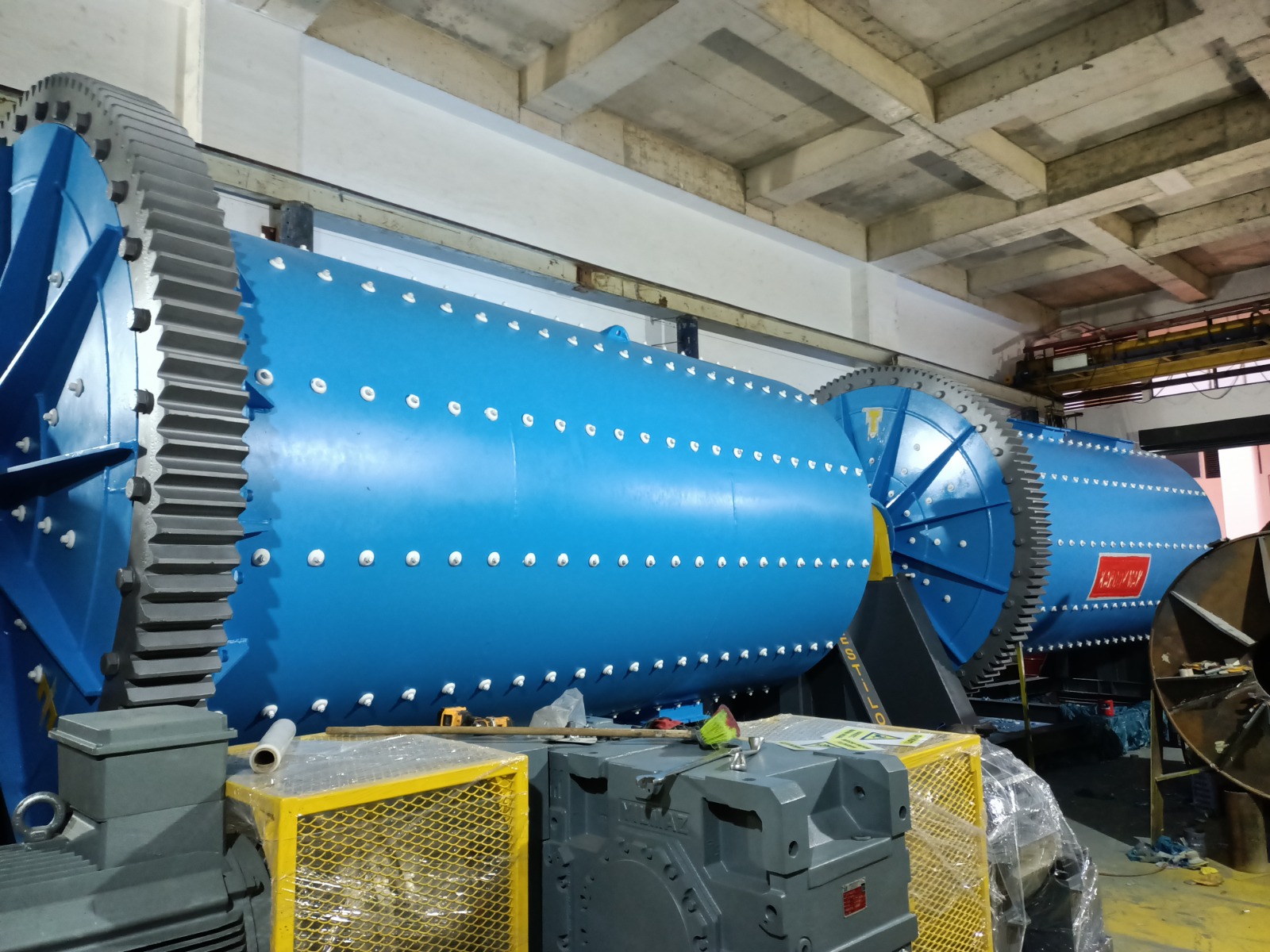
Coarse, readily liberated ore may not benefit from excessive grinding, while finely locked ore can require controlled size reduction. The correct endpoint is established by beneficiation testwork.
The objective is not merely smaller particles but liberation appropriate for the next separation step.
Control checklist
- Manganese mineral species
- Gangue, clay and fine fraction
- Feed PSD and moisture
- Liberation behaviour
- Particle-size requirement of downstream separation