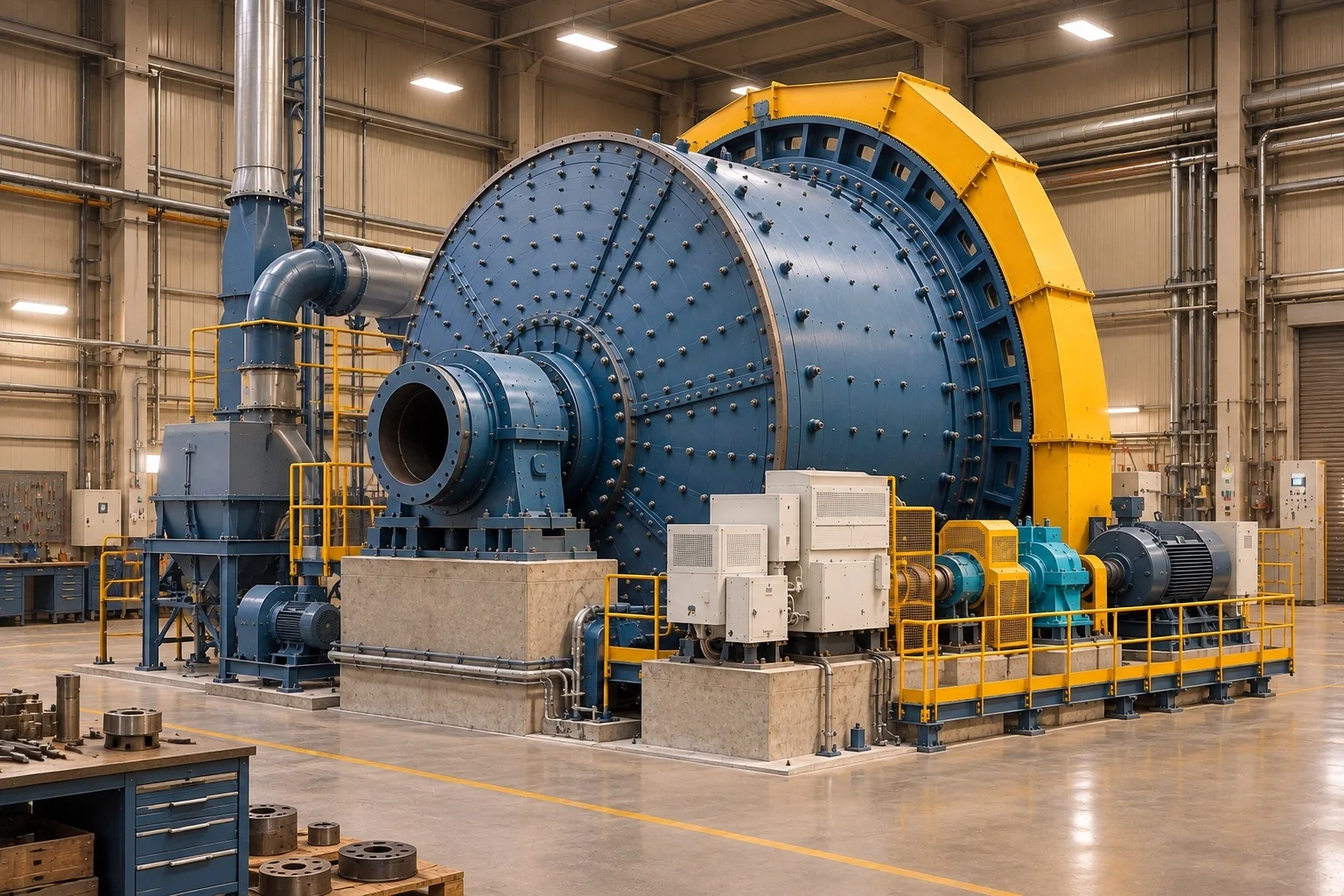
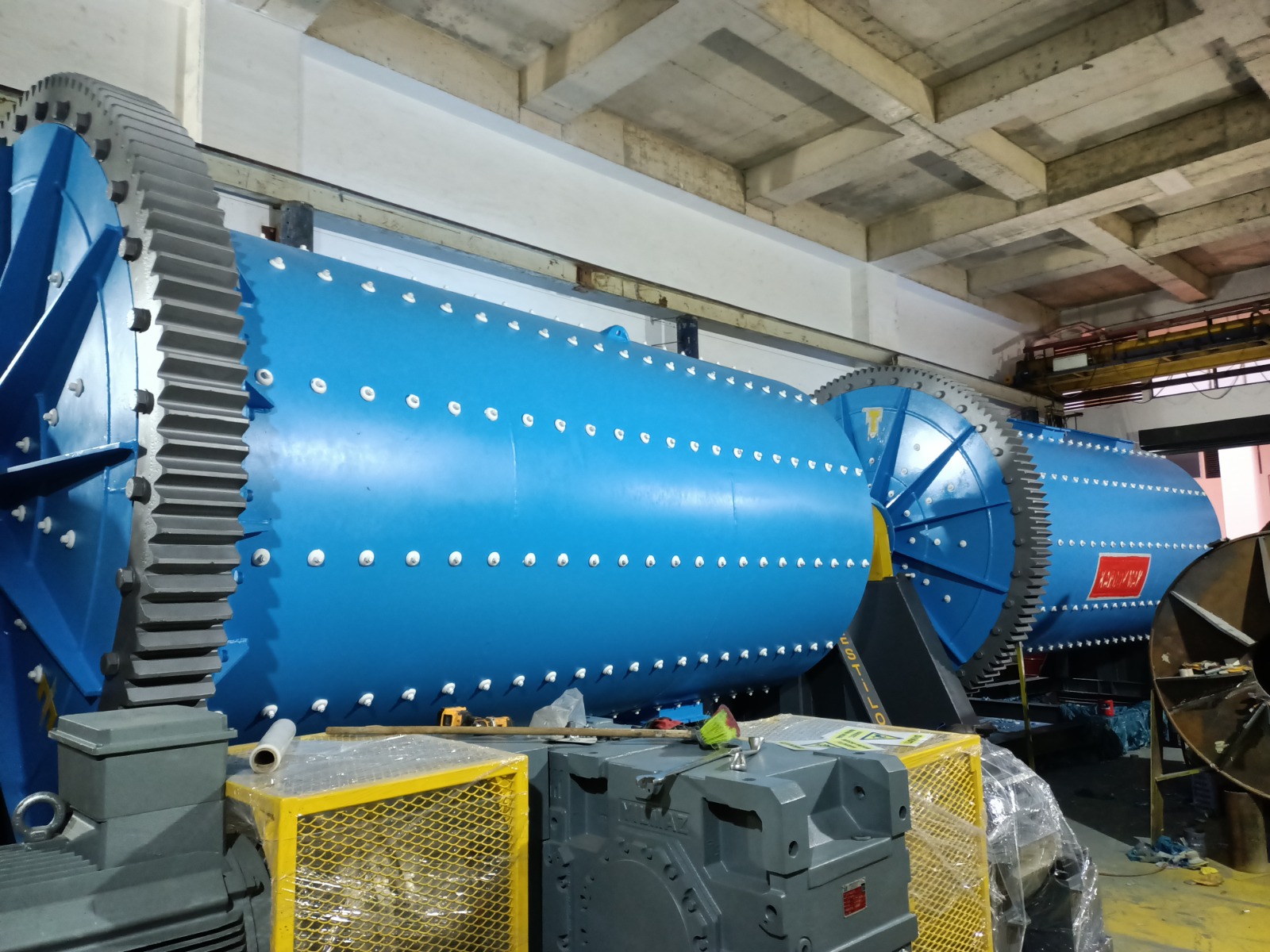
Molybdenite is MoS₂ and the principal ore mineral of molybdenum. Its soft, platy character can produce different breakage and grinding behaviour from quartz and many associated sulfides.
- Formula / structure
- MoS₂
- Ore role
- Principal molybdenum ore mineral
- Preparation focus
- Liberate platy grains without unnecessary overgrinding
What is Molybdenite and how does it occur in ore?
Molybdenite can be the principal target in porphyry molybdenum deposits or recovered as a by-product in porphyry copper systems. Association with chalcopyrite and pyrite influences selective circuit design.
Why does finer grinding not automatically improve molybdenite recovery?
Soft, platy molybdenite can report to very fine size fractions during overgrinding. Staged circuits that avoid regrinding already liberated molybdenite can be advantageous in some ores.
Which behaviour matters during ore preparation?
Surface condition and oxidation after grinding can affect flotation behaviour. Preparation tests should use freshly ground representative samples.
In Cu-Mo ores, the objective is not molybdenum recovery alone; the ability to separate copper and molybdenum products should be considered with mineral distribution.
Which inputs should be verified?
- Molybdenite grain size and platy texture
- Chalcopyrite/pyrite association
- Molybdenum distribution
- Liberation size
- Surface oxidation and fine fraction