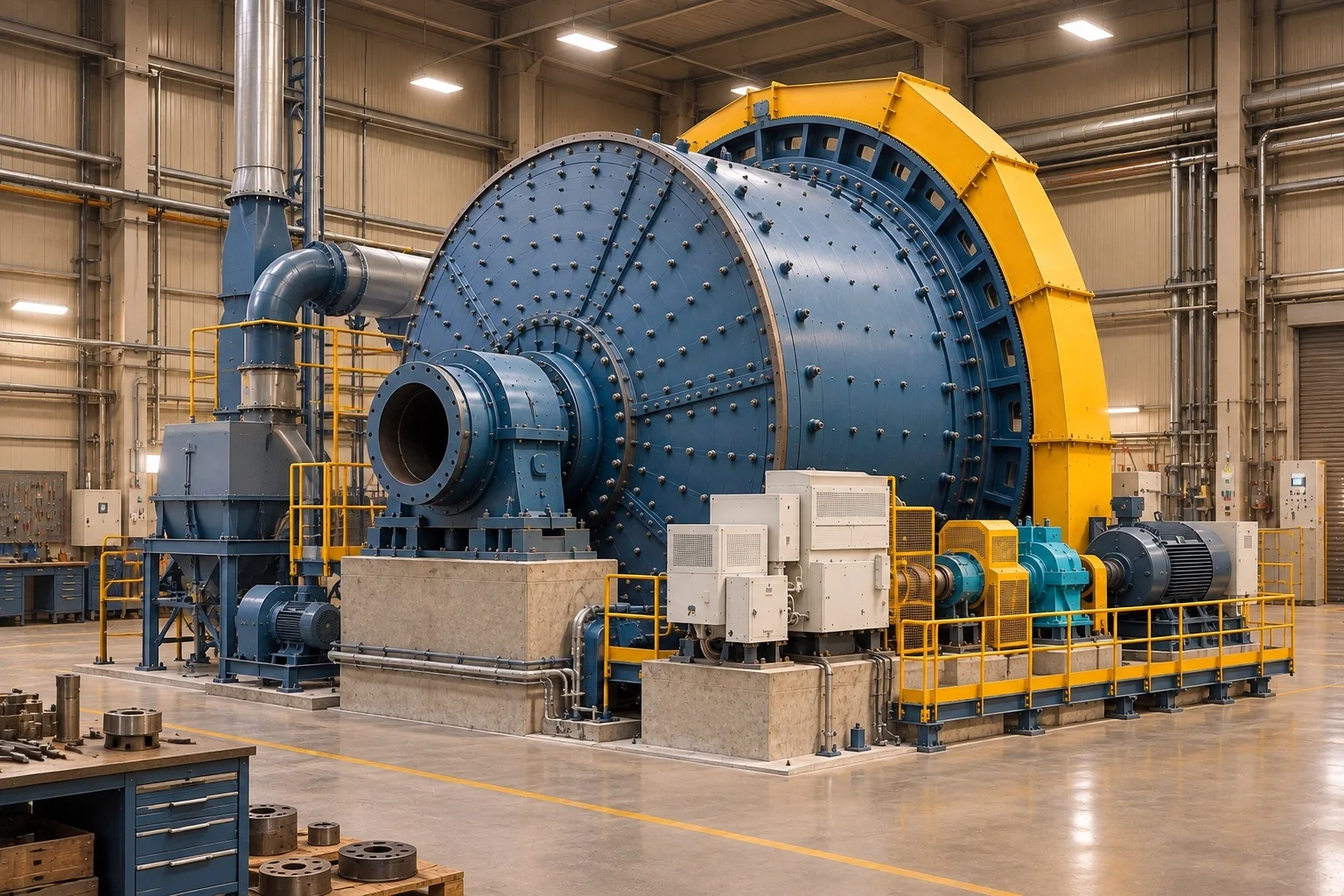
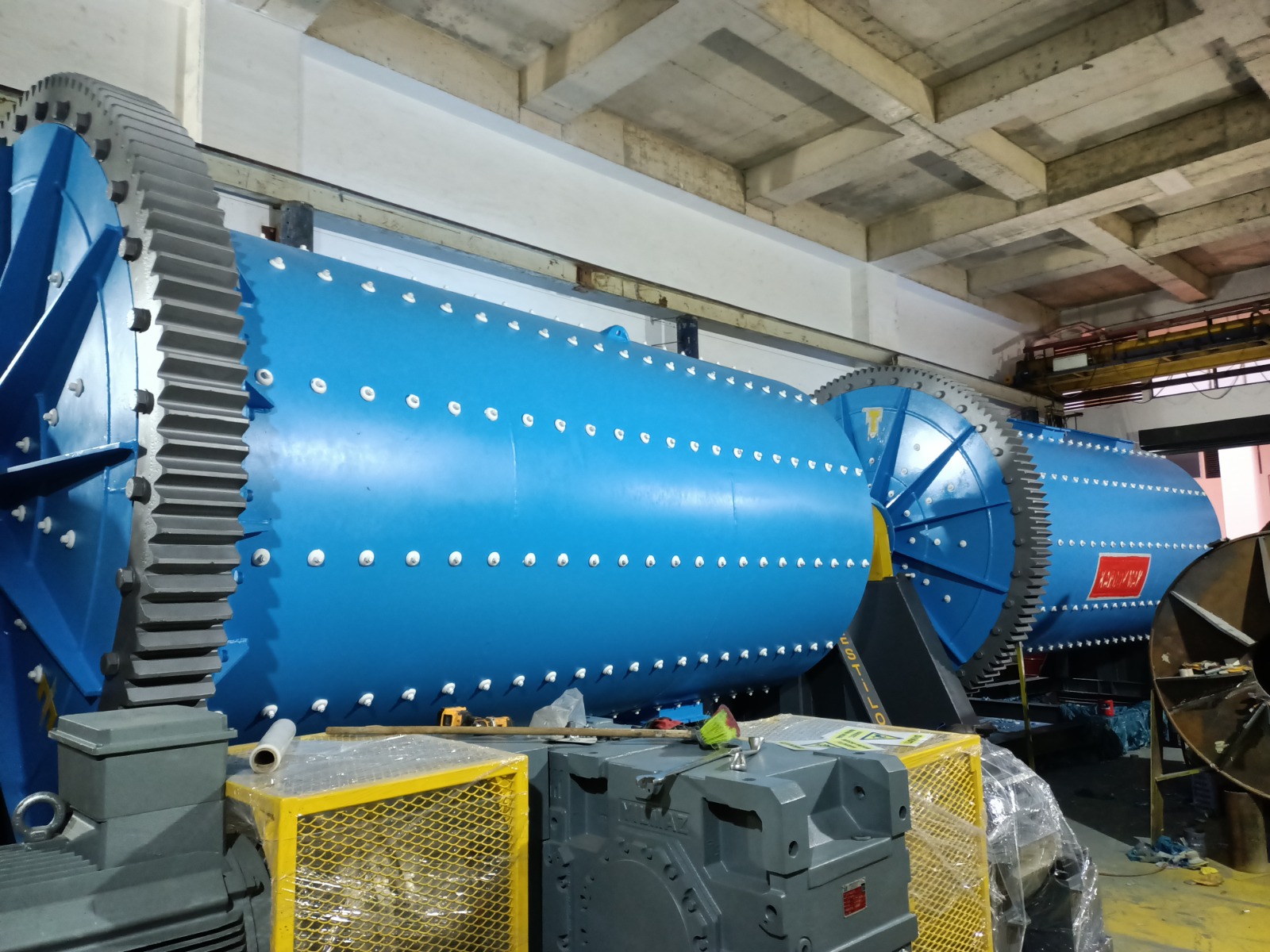
Molybdenite (MoS₂) is the principal molybdenum ore mineral. It can occur with copper minerals in many deposits, and its layered, platy structure means grinding behaviour is not described by hardness alone.
- Principal mineral
- Molybdenite (MoS₂)
- Common context
- Porphyry copper-molybdenum systems
- Particle behaviour
- Layered / platy mineral structure
Why can molybdenite grind differently?
Molybdenite is a soft sulfide with a layered crystal structure. In ore it may occur with harder phases such as quartz, feldspar and copper sulfides, so different minerals respond differently to the same grinding stress.
Average ore hardness alone therefore does not fully describe molybdenite liberation or its tendency to report to fine fractions.
What does copper-molybdenum association mean?
In porphyry systems, molybdenite can occur in the same ore stream as copper sulfides such as chalcopyrite. Primary grinding creates a shared liberation problem for two valuable minerals.
Downstream selective flotation requires separate metallurgical expertise; this page explains only its implications for preparation.
Why is classification more than particle size?
Platy particle shape can influence hydraulic or aerodynamic classification behaviour. Different shapes at similar equivalent size may move differently in a separator.
PSD measurement method, sample preparation and mineral shape should therefore be interpreted together.
Process inputs
- Molybdenite grain size and distribution
- Copper sulfides and gangue mineralogy
- Feed PSD and grindability
- Liberation target and regrinding requirement
- Downstream concentrate-separation testwork