Pentlandite is the (Fe,Ni)₉S₈ nickel-iron sulfide and is a principal nickel mineral in magmatic sulfide deposits. Nickel laterites are a fundamentally different mineralogical system.
- Formula / structure
- (Fe,Ni)₉S₈
- Ore role
- Principal nickel mineral in magmatic sulfide ore
- Preparation focus
- Liberation from pyrrhotite and chalcopyrite
What is Pentlandite and how does it occur in ore?
Pentlandite commonly occurs in close association with pyrrhotite and chalcopyrite. Identifying the actual nickel-bearing phases and the distribution of cobalt provides more information than bulk Ni grade alone.
Why is pentlandite different from lateritic nickel ore?
In sulfide nickel ore, valuable phases such as pentlandite can require liberation before flotation. In laterites, nickel is distributed through limonitic or silicate phases, so the same grinding-flotation assumptions do not apply.
Which behaviour matters during ore preparation?
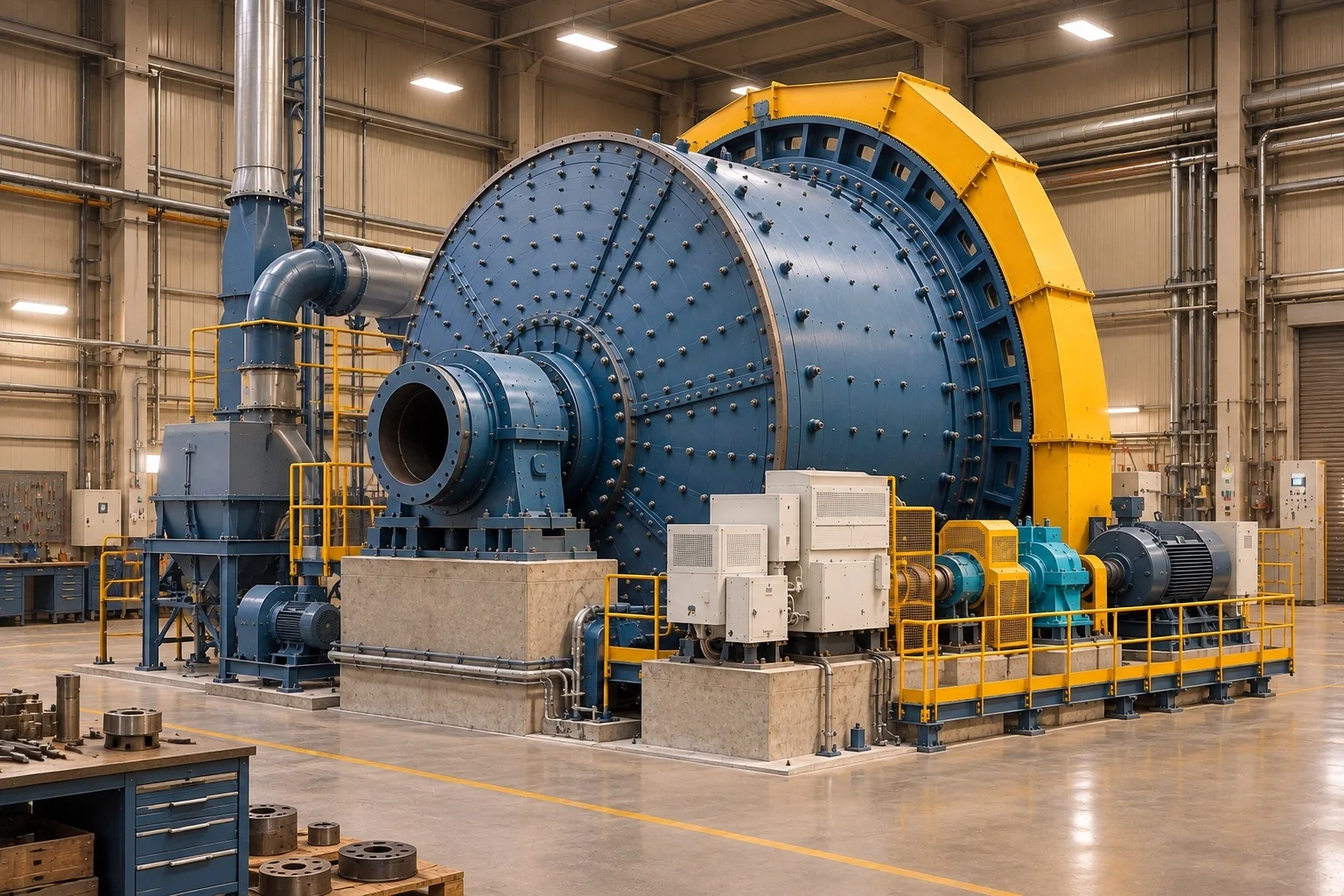
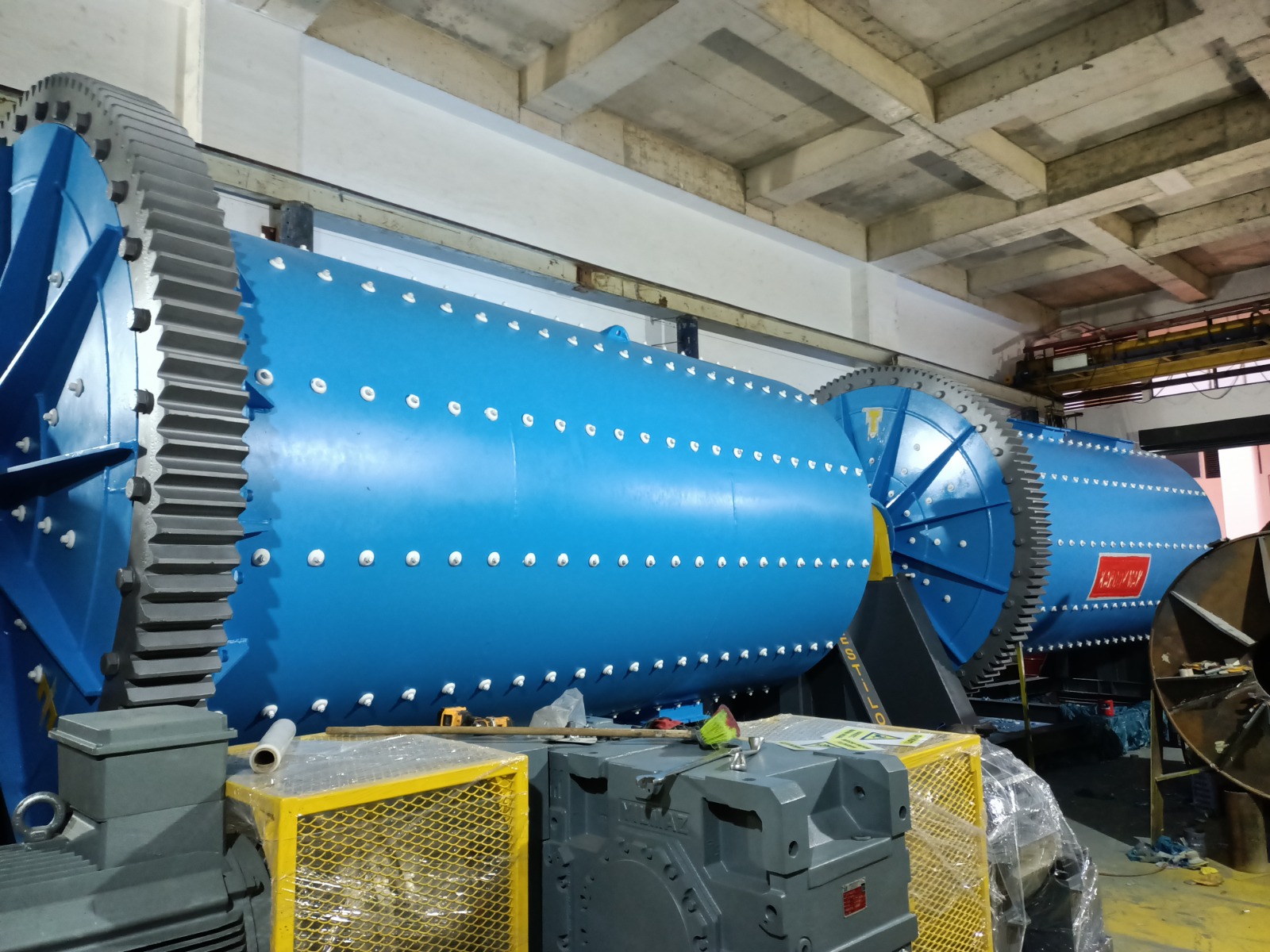
Grinding aims to expose pentlandite-pyrrhotite boundaries. Unnecessary ultrafine grinding can increase sulfide slimes and make selective flotation more difficult.
Pyrrhotite can show magnetic behaviour, which may provide useful information, but it does not by itself define pentlandite recovery. Mineralogical and metallurgical testing should be combined.
Which inputs should be verified?
- Pentlandite-pyrrhotite texture
- Chalcopyrite and other sulfides
- Mineralogical distribution of Ni and Co
- Liberation size
- Flotation feed fineness