
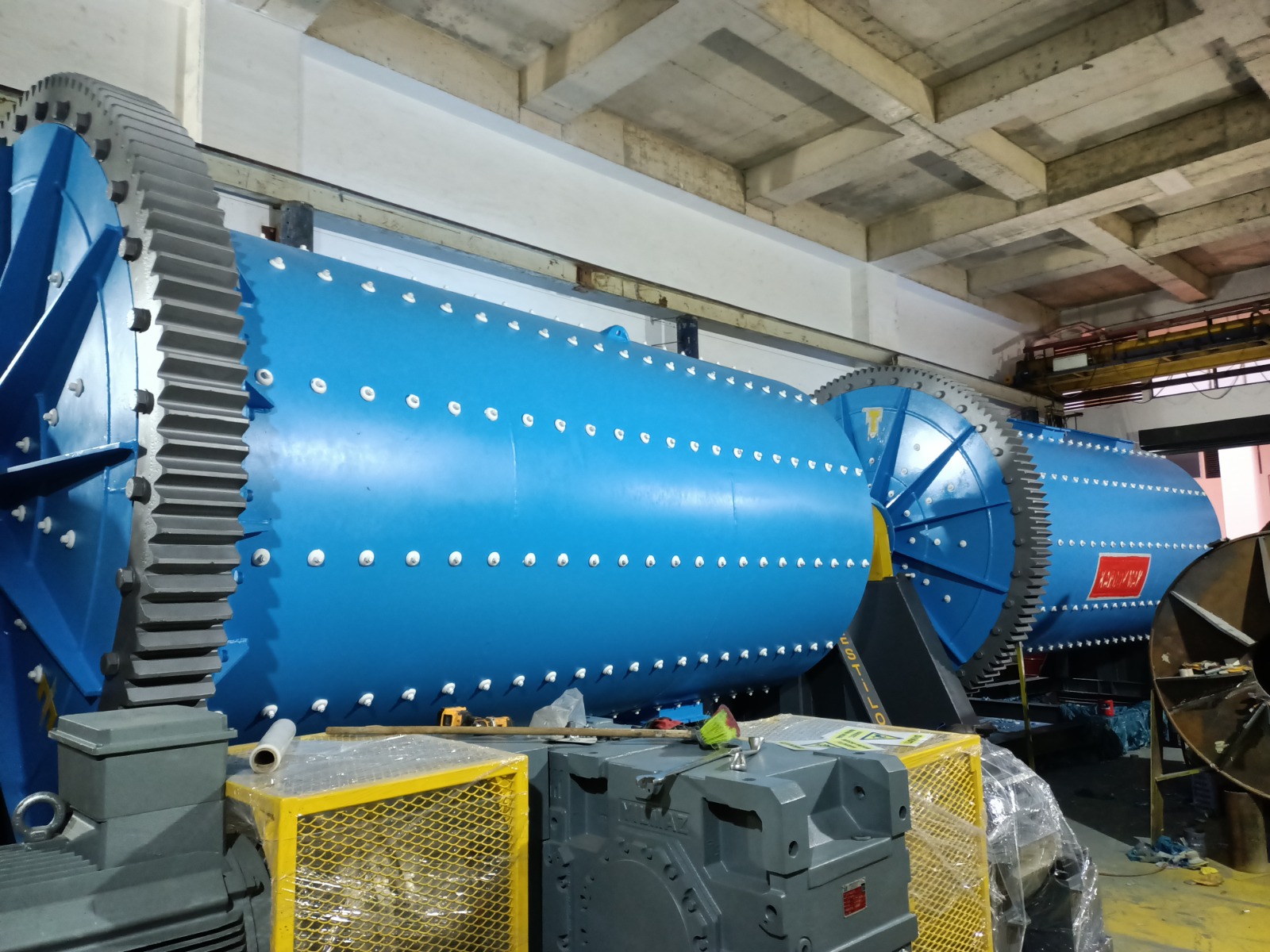
Sulfur occurs as native elemental sulfur and is also recovered from petroleum, natural gas and sulfide-processing streams. The source determines the boundary between solids preparation and chemical recovery.
- Sources
- Native and recovered sulfur
- Critical distinction
- Source-dependent process route
- Solids preparation
- Particle size, dust and handling control
Why does sulfur come from different sources?
Elemental sulfur occurs naturally in some geologic settings, while a large share of modern supply is recovered from petroleum and natural-gas processing. Sulfide-metal processing can also generate sulfur-bearing streams.
For that reason, 'sulfur processing' does not describe one crushing-and-grinding plant; the feed source must be defined first.
Which properties matter in solid-sulfur preparation?
Blocks, granules and fine powder require different feeding and sizing approaches. Dust generation, storage and enclosed conveying are part of reliable solids handling.
Sulfur's relatively low melting temperature and thermal behaviour are process boundaries where mechanical work can generate heat.
Why is grinding not always the correct step?
Some applications require a fine product, but finer sulfur creates more dust surface and different handling behaviour. Fineness is selected together with end use and safe material handling.
Chemical recovery and desulfurization systems are outside the scope of this mechanical-preparation article.
Core process inputs
- Source and physical form of sulfur
- Feed particle size
- Target product size
- Dust and storage conditions
- Temperature and solids-handling limits