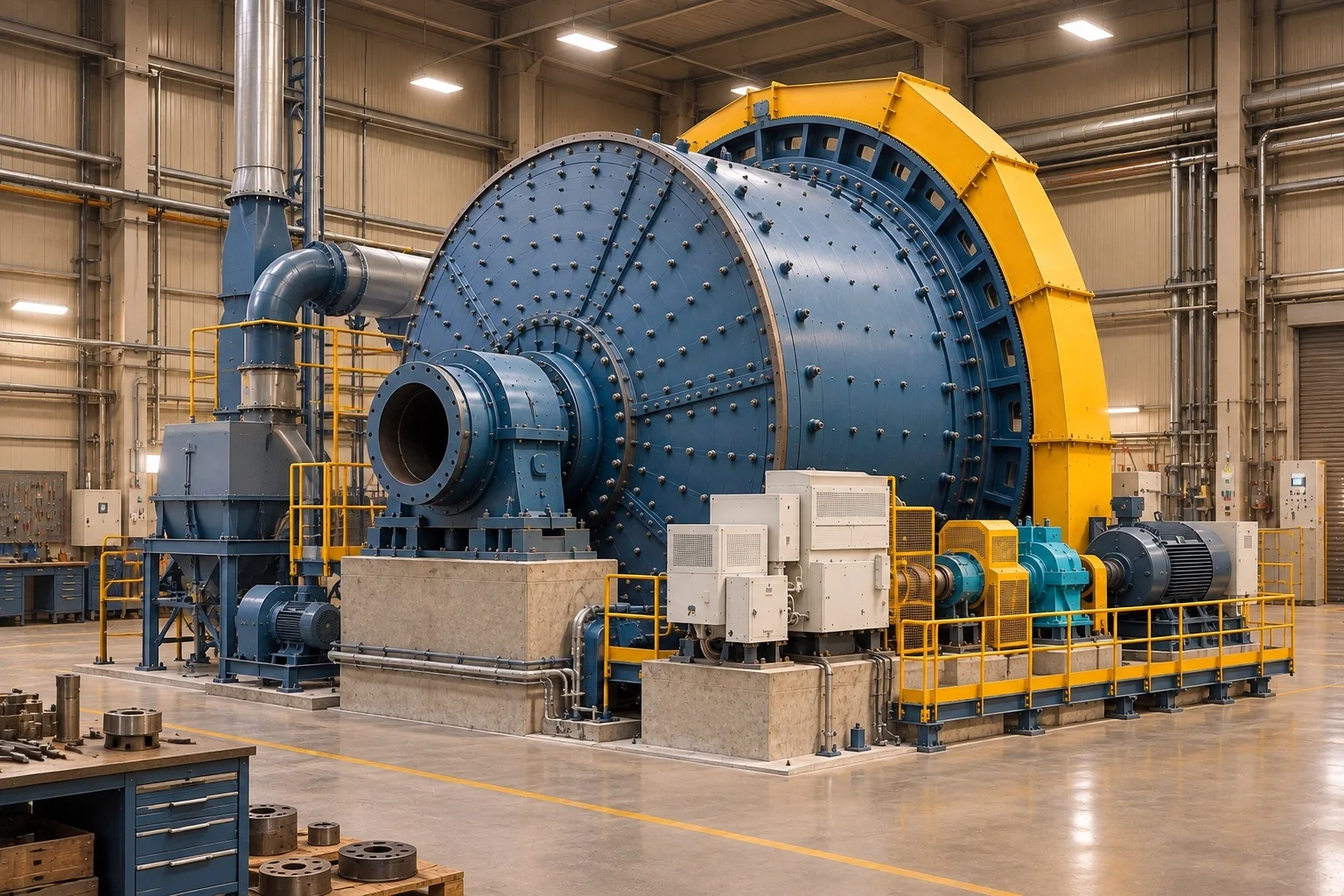
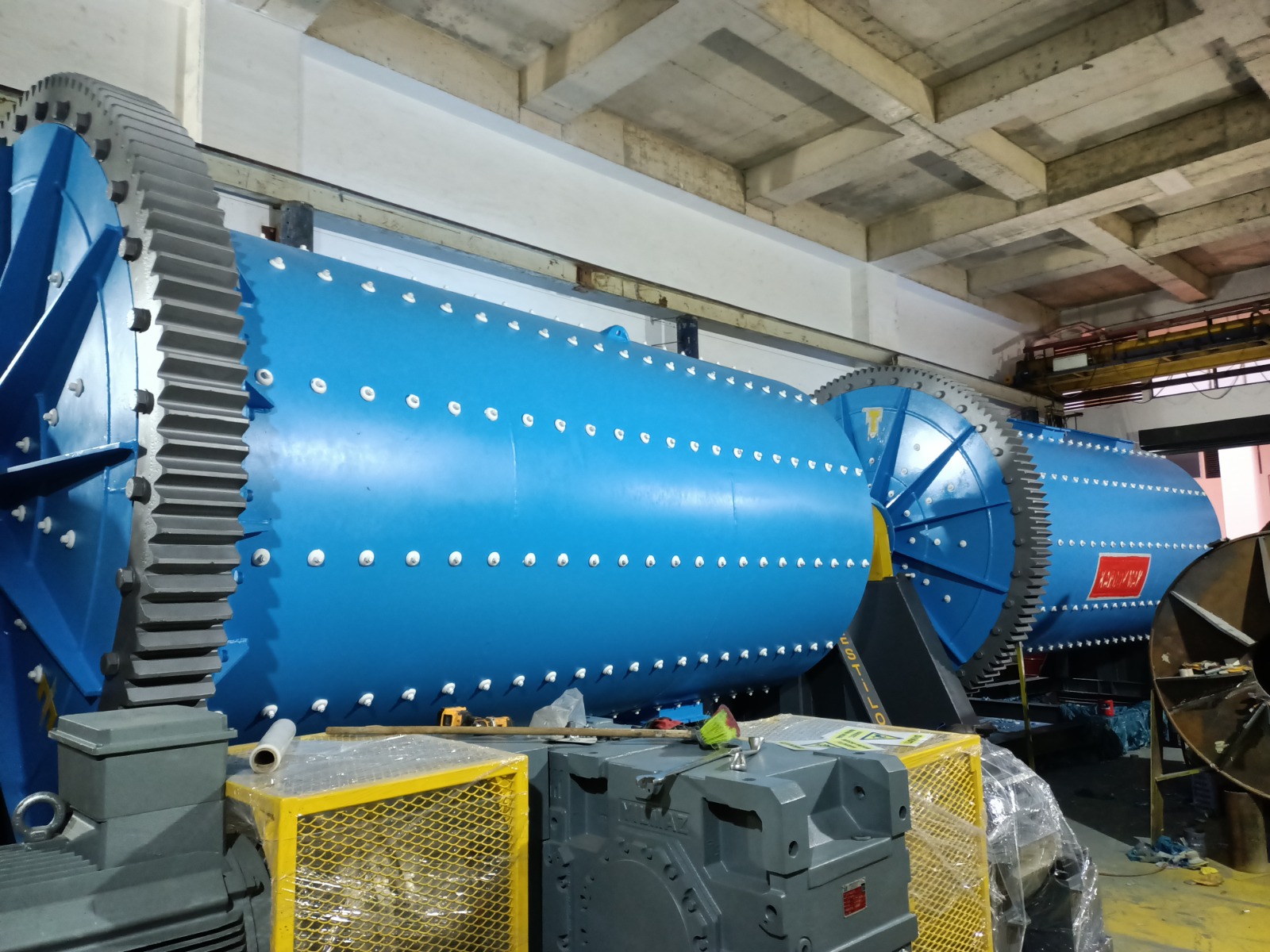
Lead-zinc ore is a polymetallic system in which galena and sphalerite are economic phases within the same feed. The central preparation problem is liberating both valuable minerals from gangue and, where possible, from each other at a suitable size.
- Valuable minerals
- Galena + sphalerite
- Ore type
- Polymetallic sulfide system
- Main preparation problem
- Selective liberation
Why does lead-zinc ore create a distinct process problem?
Economic occurrence of lead and zinc minerals in the same deposit creates a more complex process problem than a single-metal feed. One grinding product influences the selective separation conditions of both galena and sphalerite.
Shared liberation, regrinding and classification behaviour must therefore be evaluated together.
How can primary and regrinding duties differ?
Primary grinding may bring the whole ore into a useful liberation range, while some flowsheets can require finer regrinding of an intermediate concentrate or selected fraction.
Regrinding demand is derived from mineral locking and beneficiation testwork rather than a universal particle-size rule.
How does selective flotation influence preparation?
Sequential or other flotation strategies may be applied to lead and zinc sulfides. That downstream strategy sets requirements for the size and surface condition of the grinding product.
Flotation chemistry and equipment selection are treated as a separate design task driven by metallurgical testwork.
Variables to control
- Galena-sphalerite-pyrite associations
- Liberation and regrinding requirement
- Feed and circuit-product PSD
- Circulating load and classifier performance
- Representative metallurgical test results