
Uraninite is a uranium-rich oxide mineral; massive pitch-like material has historically been called pitchblende. Uranium ores occur in many deposit types, so the presence of uraninite does not define one preparation flowsheet.
- Formula / structure
- Predominantly UO₂, variable with oxidation
- Ore role
- One of the principal uranium-oxide minerals
- Preparation focus
- Combine liberation with radiation and dust controls
What is Uraninite (Pitchblende) and how does it occur in ore?
Uraninite occurs in veins, pegmatites, breccia systems and other geological settings with different gangue assemblages. Oxidation can produce secondary uranium minerals.
Are pitchblende and uraninite the same thing?
Pitchblende is a historical term commonly used for massive, fine-grained uraninite-rich material. Modern mineralogical work should identify the actual uranium-bearing phases analytically.
Which behaviour matters during ore preparation?
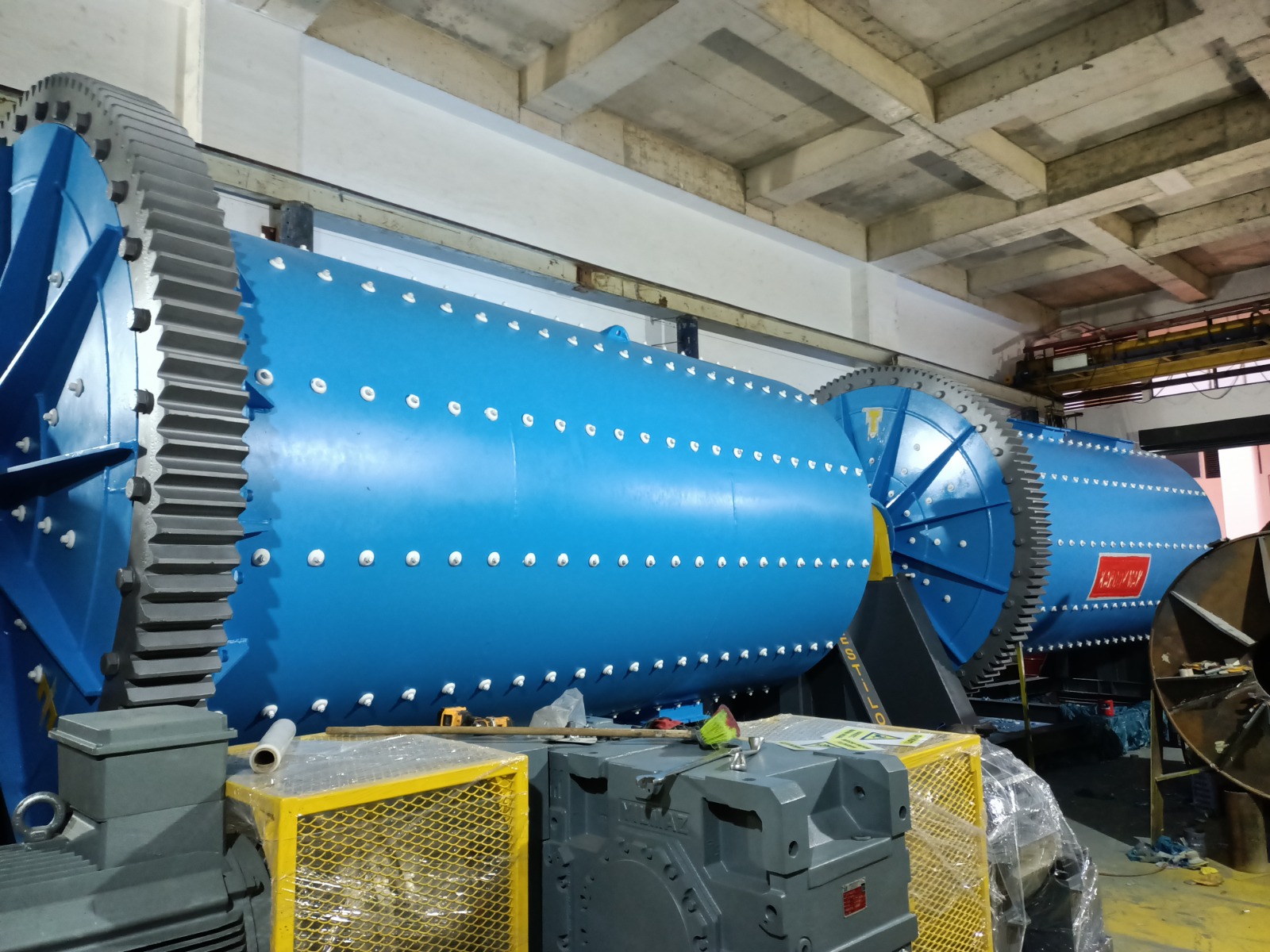
Mechanical crushing and grinding can liberate uranium minerals from gangue; leaching or chemical extraction is a separate metallurgical stage. This page focuses on mechanical preparation principles.
Work with radioactive material requires specialist controls for radiation, radon, dust and waste. Standard mineral-sample procedures should not be assumed sufficient.
Which inputs should be verified?
- U-bearing mineral phases
- Degree of oxidation
- Gangue mineralogy
- Liberation size
- Radiation, radon and dust-control plan