
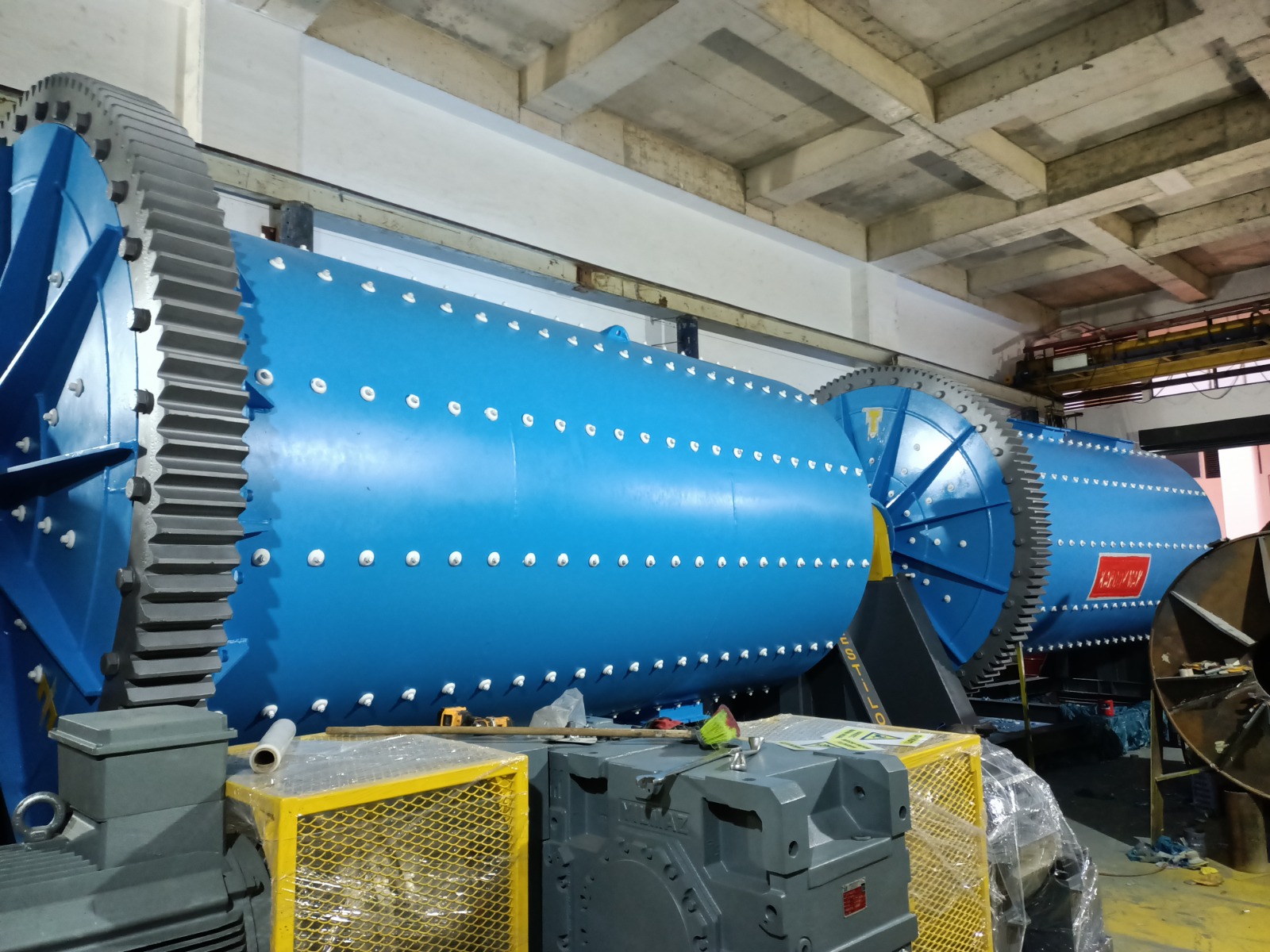
Uranium occurs in multiple deposit types and mineral hosts. Mechanical preparation provides crushing and size control only where required by the mining and downstream metallurgical route.
- Deposit examples
- Sandstone, unconformity and conglomerate types
- Mineral example
- Uraninite
- Process boundary
- Mechanical preparation and metallurgical extraction are separate stages
Why does uranium occur in different deposit types?
Uranium can be concentrated in sandstone, unconformity, conglomerate and other geologic settings. Ore texture, mineral host and mining method change the nature of the solid feed.
Are crushing and grinding the same for every uranium source?
Conventionally mined solid ore may be crushed and, where required, ground to meet downstream metallurgical feed requirements. In-situ recovery does not use the same mechanical-preparation chain.
What is the process boundary of this article?
Uranium extraction chemistry and the nuclear fuel cycle are specialized, regulated fields. This page covers mineral identity and the general role of mechanical ore preparation; it does not provide detailed chemical operating instructions.
Core data for mechanical preparation
- Deposit and mining method
- Uranium-bearing mineral or phase
- Feed particle size
- Liberation requirement
- Feed conditions required by the licensed downstream metallurgical process