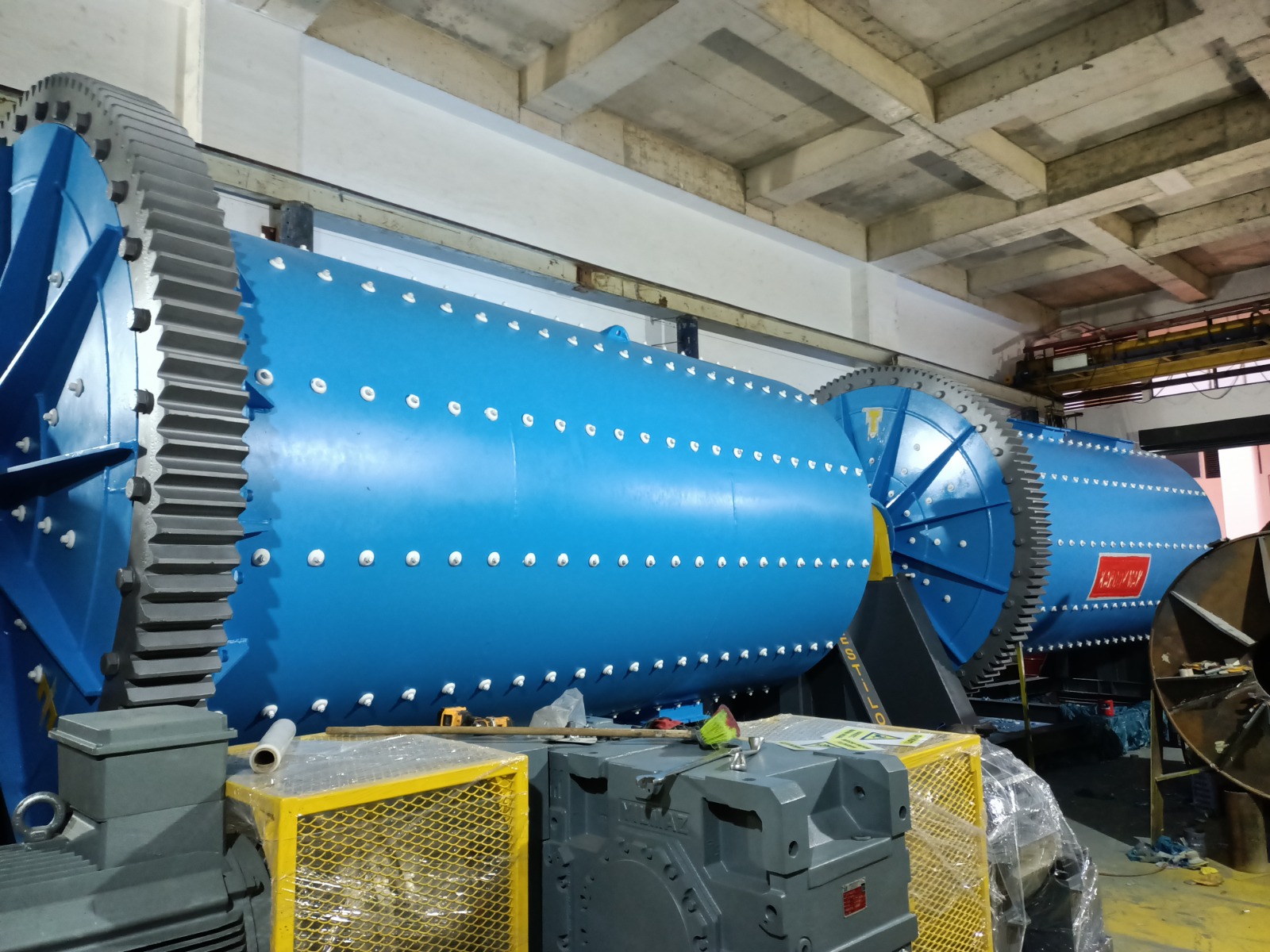
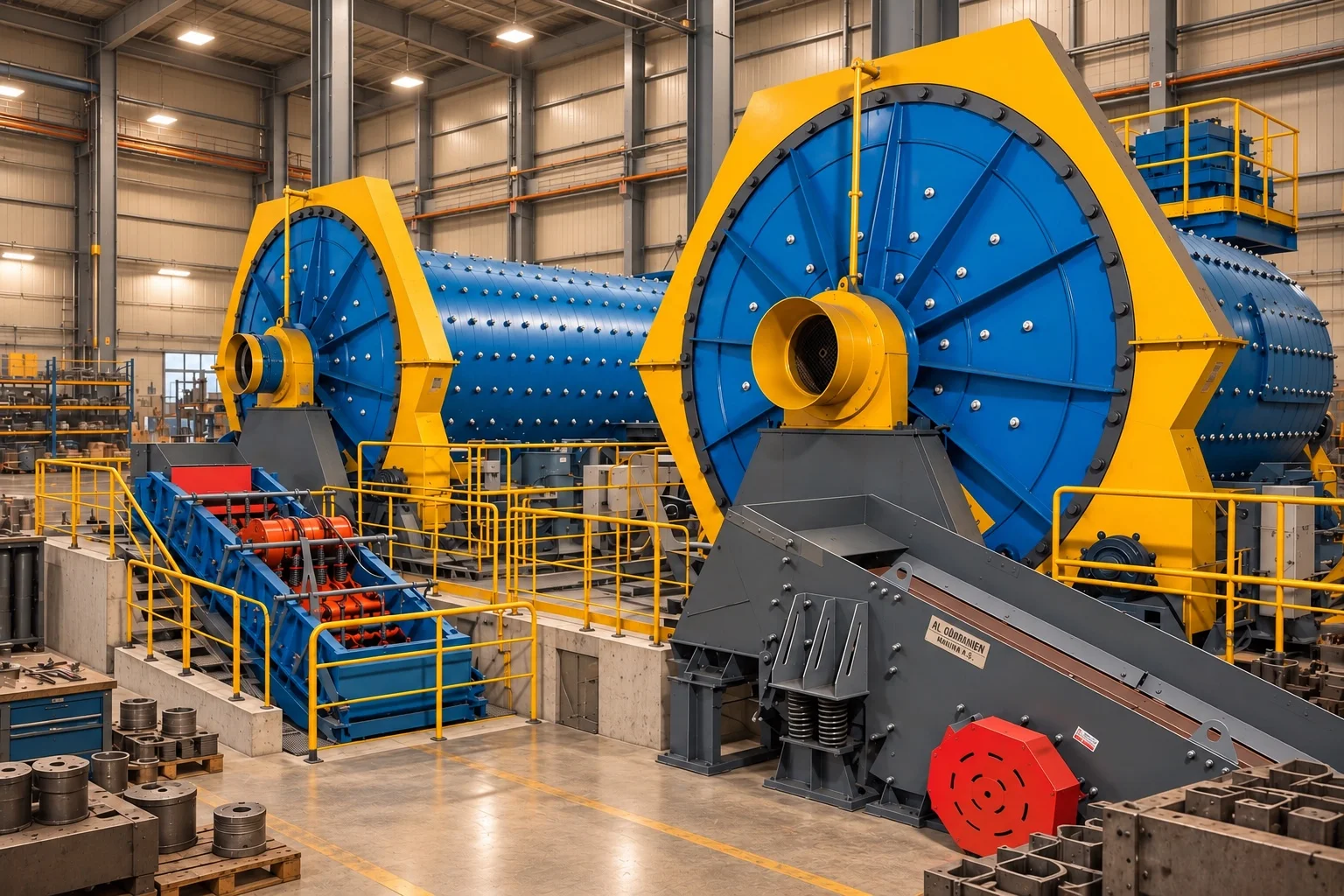
Rod-mill selection requires representative samples, feed and target-product distributions, material testwork, circuit structure, rod geometry, capacity targets and site constraints to be evaluated together.
Selection starts by defining circuit duty
The first step is to establish whether the mill performs coarse/intermediate grinding after crushing, prepares feed for a downstream ball mill or serves another product duty. The same equipment family can require different feed, discharge and control arrangements for different duties.
Data and verification matrix
| Input | Why is it needed? | Verification |
|---|---|---|
| Feed distribution and top size | Influences rod contact, transport and duty boundary | Representative sampling and sizing |
| Target product distribution | Defines circuit duty and downstream requirements | Product specification and process testing |
| Grindability | Forms the basis for energy and capacity estimation | Duty-appropriate laboratory/pilot testwork |
| Abrasiveness | Influences rods, liners and maintenance strategy | Material testing and supplier data |
| Wet/dry basis | Changes transport, classification and auxiliaries | Flowsheet and material behaviour |
| Operating schedule | Defines design rate and availability target | Production plan and shutdown strategy |
| Site constraints | Influence layout, drive, access and erection | Site data and layout study |
Testwork and energy basis
Grindability testing appropriate to rod-mill duty provides an energy basis for moving a defined feed toward a target product. The test standard, sample preparation and reporting units must be recorded clearly.
One sample may not represent a variable orebody. A sampling plan spanning hardness and texture variability reduces design risk.
What does a Bond rod-mill test provide?
When carried out appropriately, a Bond rod-mill test can provide a comparable grindability input for rod-milling duty. It is not a direct motor rating or capacity guarantee and must be used with the circuit model and equipment data.
Relationship between rods and shell geometry
Rod length and diameter distribution, filling, liner profile, shell proportions and discharge arrangement interact. Unsuitable relationships can affect rod motion, tangling, breakage or the product distribution.
Charge decision
Initial and replacement-rod selection is managed through supplier design, test data and monitored wear behaviour; an unverified fixed filling or diameter value is not published.
Circuit and classification
Open circuit, closed circuit or an arrangement feeding a downstream mill is selected from product target, return flow and classification requirements. The rod mill is evaluated in a mass balance with crushing and downstream grinding/classification rather than in isolation.
Capacity, power and mechanical verification
- Establish the specific-energy basis from representative testwork
- Connect capacity target with operating hours and availability
- Check shell, liner and discharge capacity against process load
- Verify drive, bearings and starting conditions through supplier engineering
- Connect rod and liner consumption with maintenance logistics
- Incorporate elevation, access, foundation and erection limits into layout
Capacity, motor power, speed, rod charge or equipment dimensions are not published without verified test and project data.