
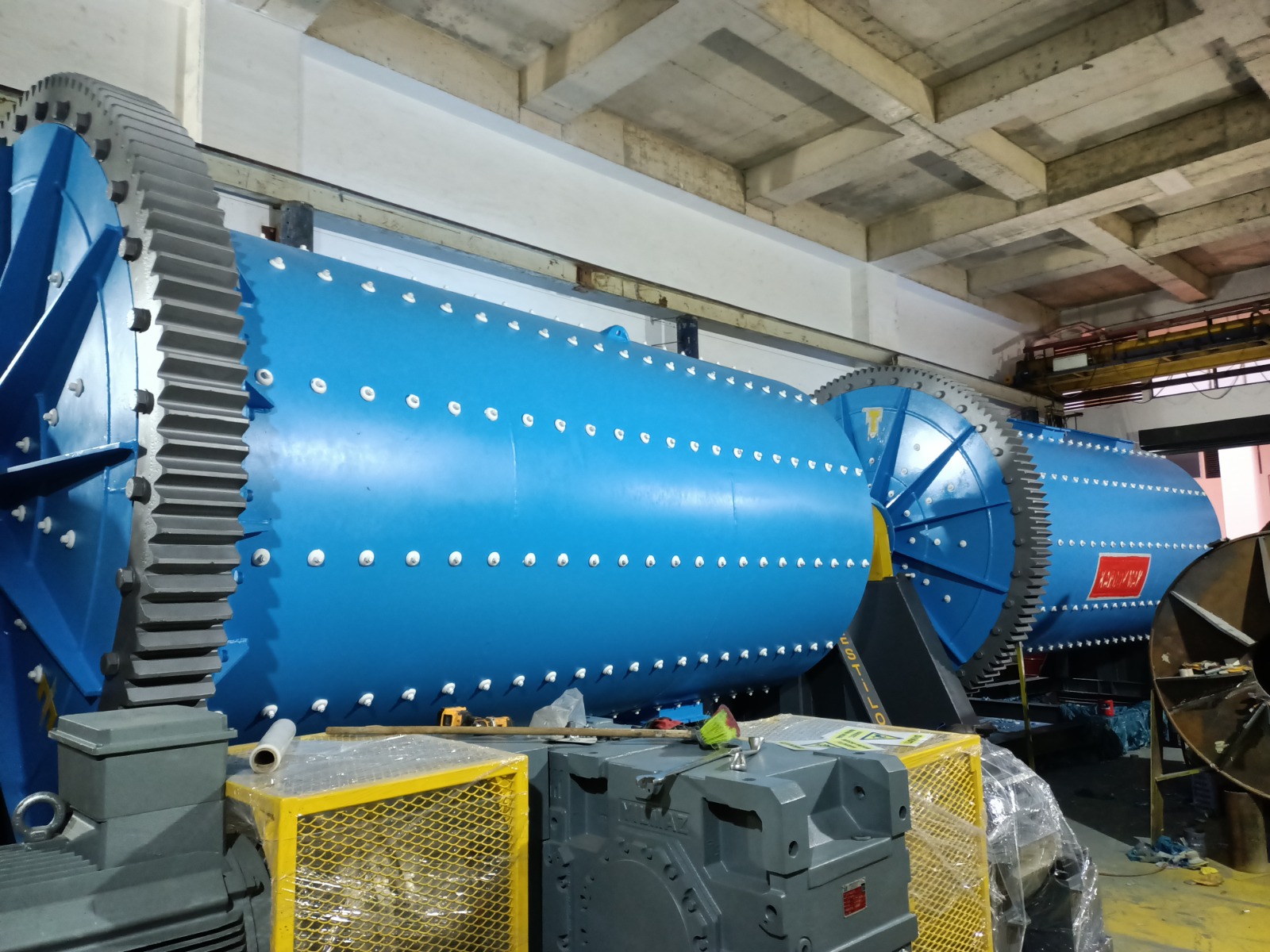
Boron is supplied by several borate minerals and, in some deposits, brine resources rather than by one ore mineral. Mineral identity and solubility change the preparation route.
- Common minerals
- Borax, ulexite and colemanite
- Process distinction
- Mineral identity and solubility
- Preparation objective
- Size control and impurity management
Why is boron ore evaluated by mineral identity?
Boron deposits may contain sodium- and calcium-borate minerals in different proportions. Borax, ulexite and colemanite do not share identical chemical or physical behaviour.
Clay, carbonate and other associated minerals also influence product preparation and purification.
What is the role of crushing and sizing?
Crushing, screening and, where required, grinding produce a controlled feed for the next separation or dissolution step.
Excess fines can increase washing and solid-liquid separation loads, so the target particle size is selected in process context.
Why does solubility matter?
Borate minerals can respond differently to water and temperature. Mechanical properties alone are therefore insufficient for flowsheet design.
Chemical dissolution can follow mechanical ore preparation; the focus here is how crushing and sizing prepare suitable feed for that downstream step.
Which properties should be established on samples?
- Borate mineral identity
- Clay and carbonate impurities
- Feed particle size and moisture
- Fine-particle fraction
- Requirements of the next separation or dissolution step