
Phosphate rock is not a pure mineral; it is an economic rock or raw material containing phosphate minerals, commonly from the apatite group. Mineralogy, gangue and downstream chemistry govern grinding and beneficiation.
- Correct class
- Apatite-bearing rock / raw material
- Main value chain
- Phosphate fertilizers and industrial phosphorus products
- Process principle
- Mineralogy-dependent beneficiation and preparation
Why is phosphate rock not one mineral?
Phosphate rock is a natural raw material in which phosphorus-bearing minerals occur with gangue. Sedimentary phosphorites and igneous sources can have different mineralogy and processing behaviour.
Apatite content matters, while clays, silica, carbonates and other associates alter product chemistry and beneficiation requirements.
Beneficiation, drying and grinding
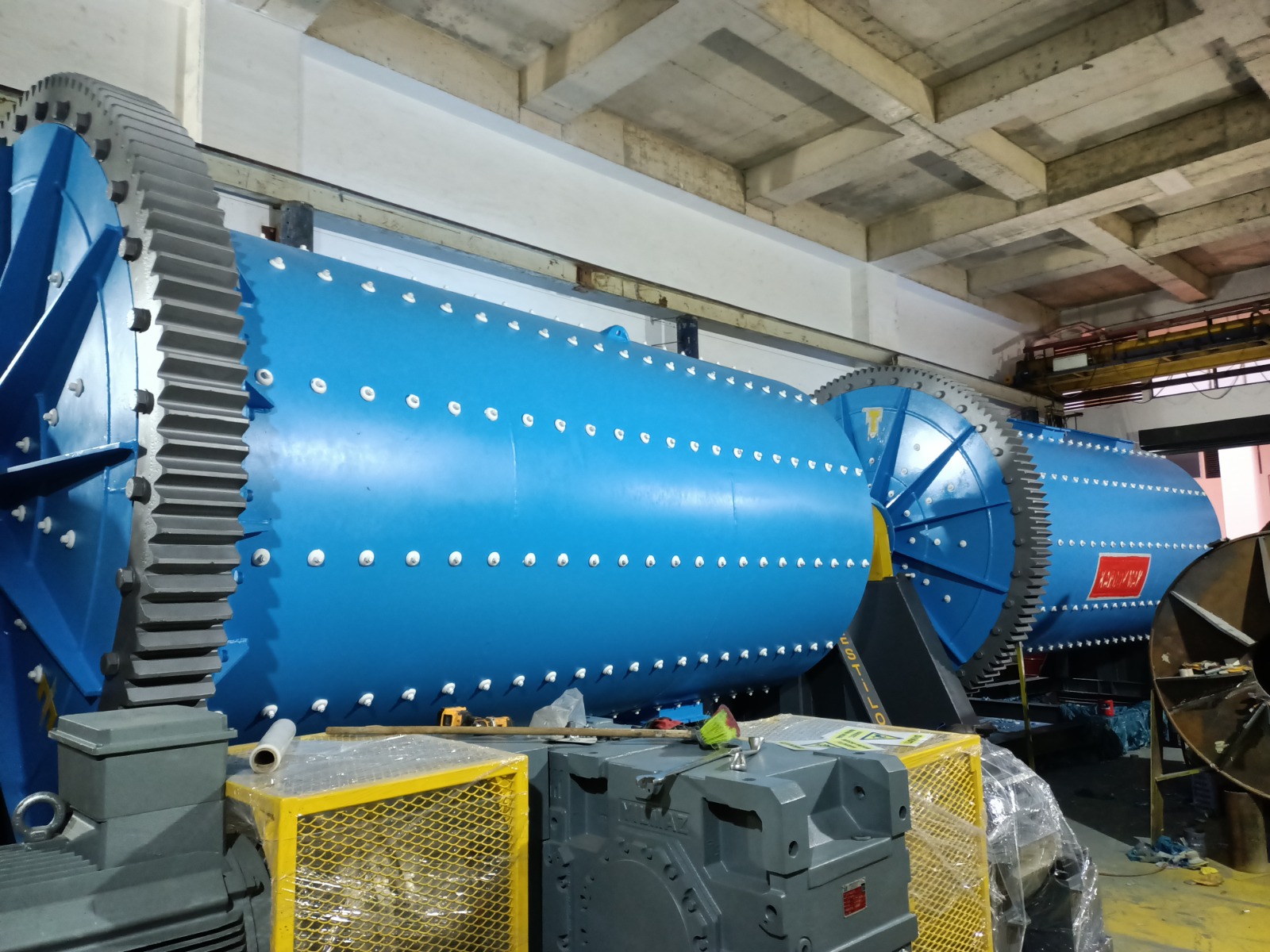
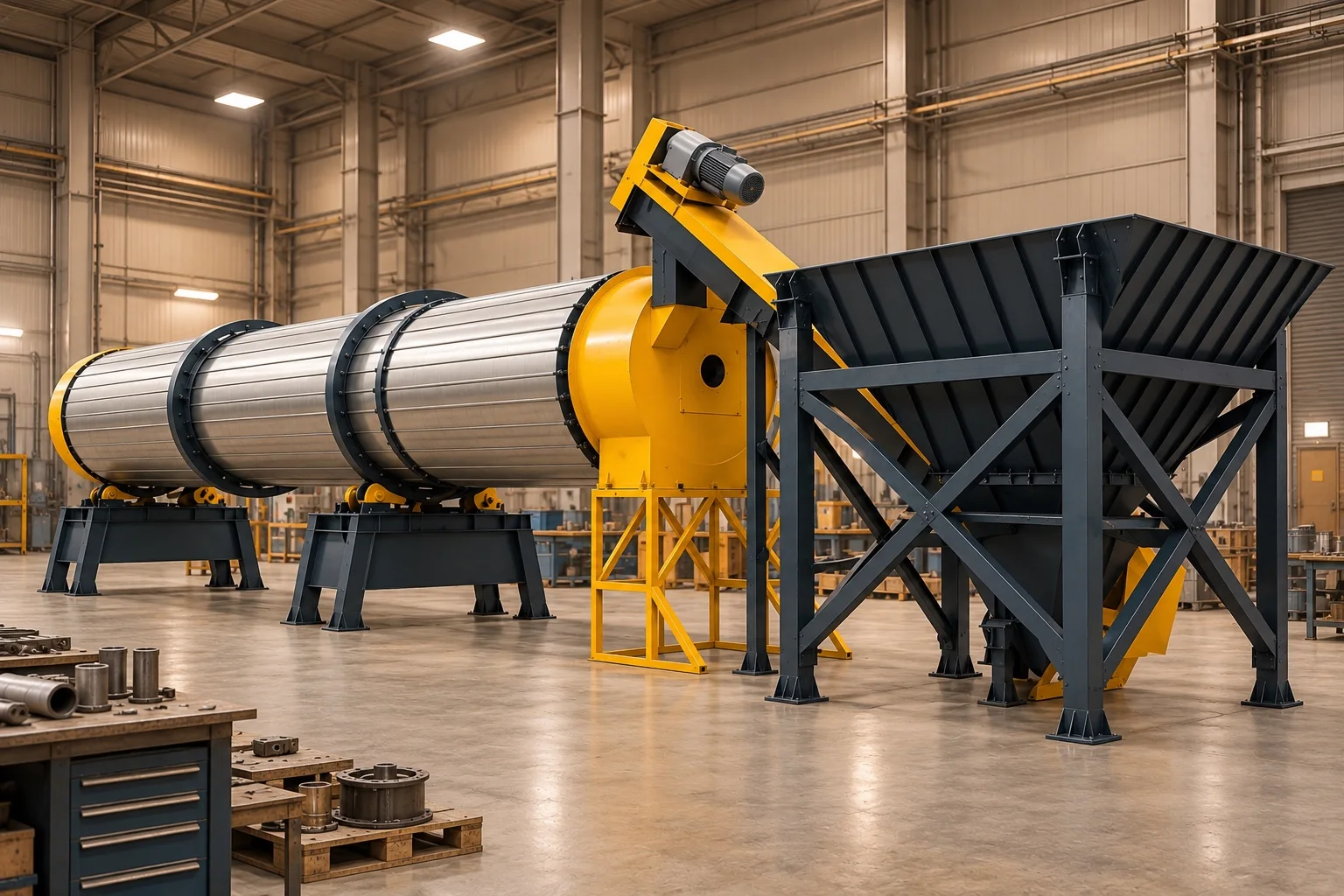
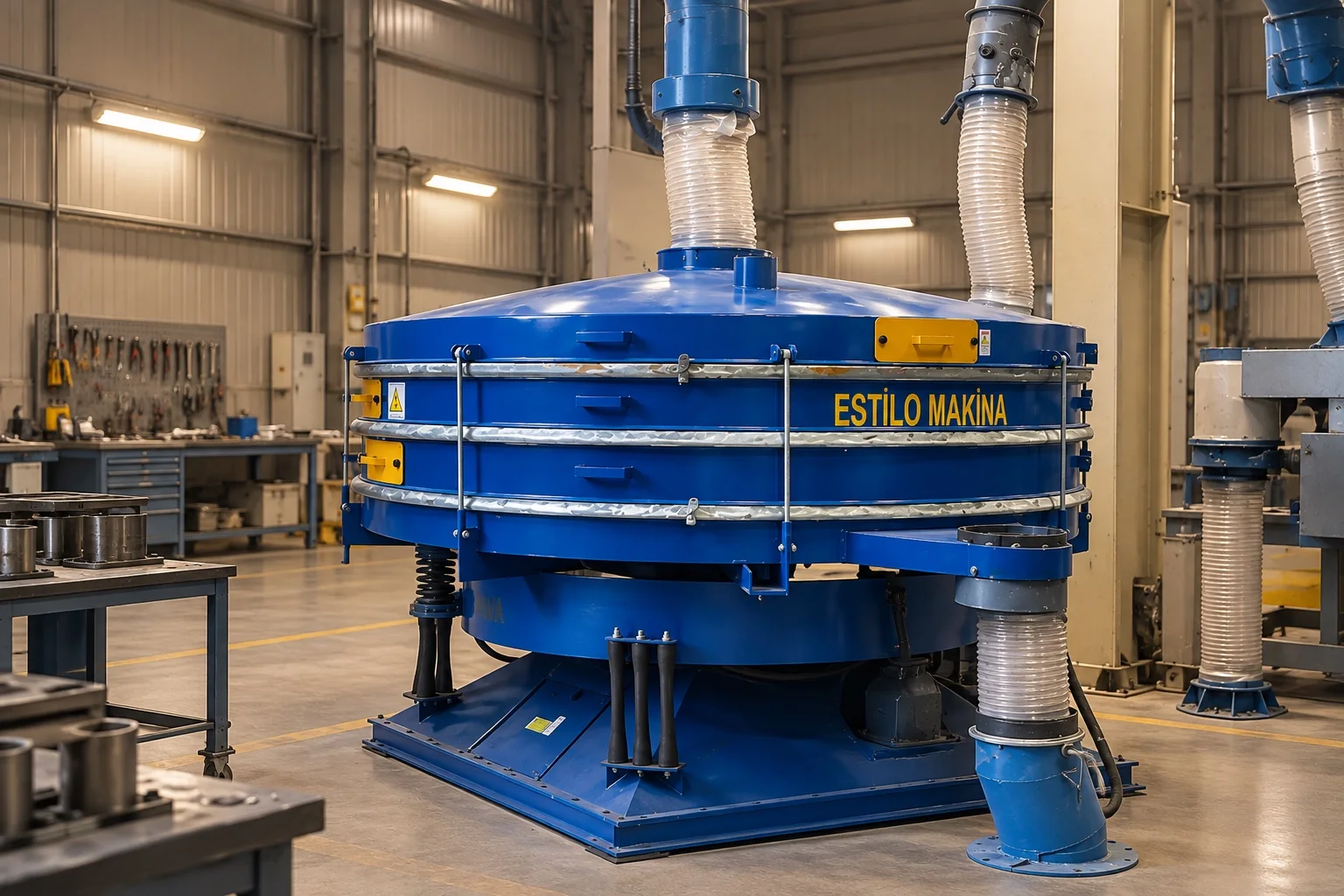
Depending on the deposit, phosphate-rock flowsheets may combine washing, sizing, beneficiation, dewatering, drying and grinding in different ways. Not every source requires every step.
Grinding can prepare surface area and PSD for downstream chemistry or support liberation. Fertilizer performance cannot be explained by mill fineness alone.
Process boundary
This knowledge centre explains phosphate-rock preparation; it does not present phosphoric-acid or finished-fertilizer chemical plants as a verified Estilo delivery scope.
The plant boundary must be written from feed to required output, while reaction and granulation can require separate process expertise.
Engineering inputs
- Apatite type, gangue minerals and chemical analysis
- Feed PSD, moisture and slimes
- Concentrate or ground-rock specification
- Dry or wet route and dewatering boundary
- Wear, dust, water and residue management