
Gypsum is hydrated calcium sulfate, CaSO₄·2H₂O. Controlled heating removes part of its crystal water to form plaster products; ordinary drying and calcination are not the same operation.
- Formula
- CaSO₄·2H₂O
- Class
- Hydrated sulfate mineral
- Critical distinction
- Free-moisture drying versus crystal-water calcination
Gypsum mineral, rock and plaster
Gypsum is the mineral name; gypsum rock is natural feed rich in that mineral. Calcined plaster is a thermally transformed product with different water demand and setting behaviour.
Clay, anhydrite, carbonates and free moisture in natural feed can alter colour, grinding and thermal load.
Applications and process duties
- Wallboard, plaster and construction products
- Set-control component in cement
- Agricultural and specialist industrial uses
- Size-controlled product before or after calcination
Crushing, drying and grinding
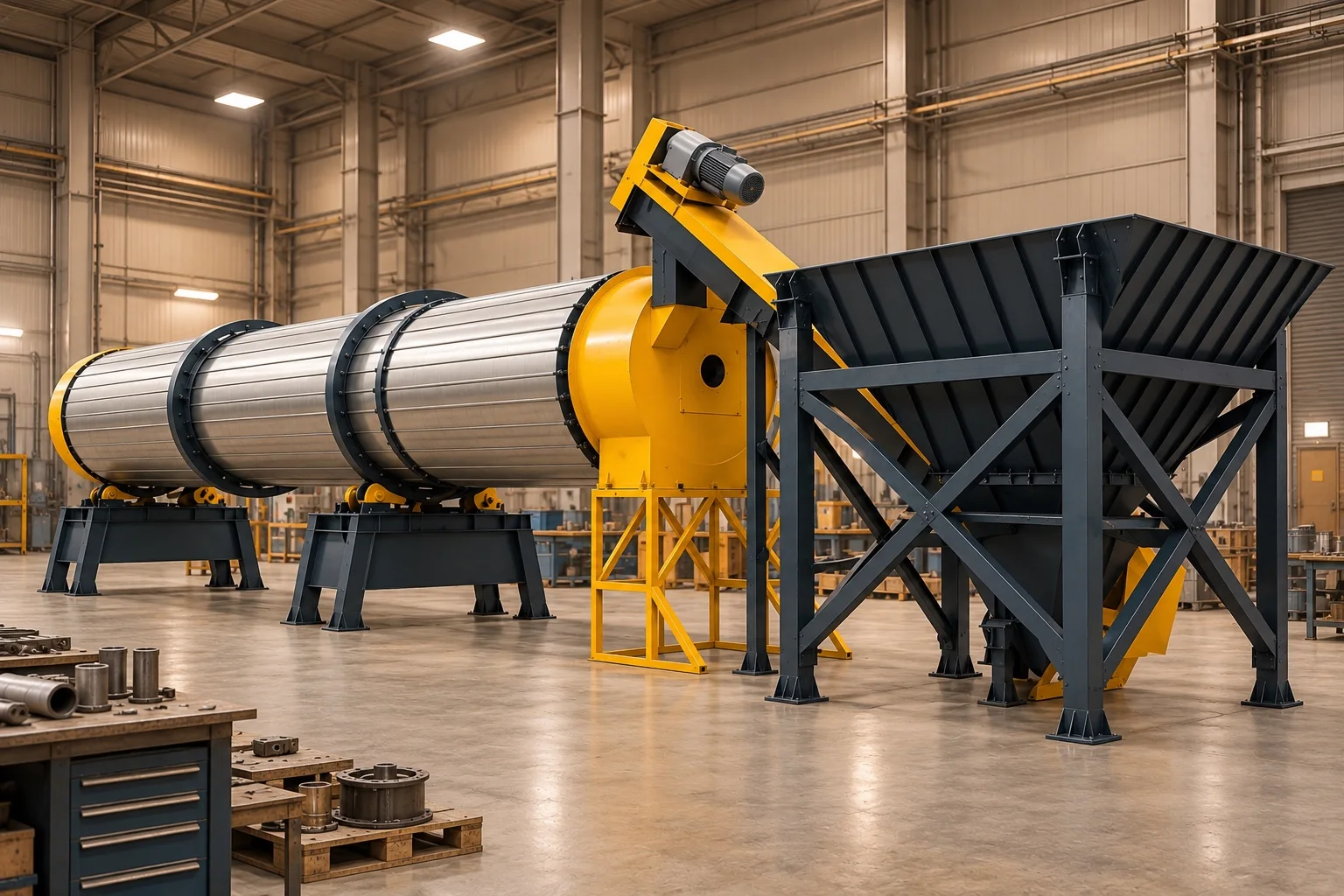
Quarried material is crushed to suit calcination equipment. Removing free surface moisture and changing crystal water have separate control objectives.
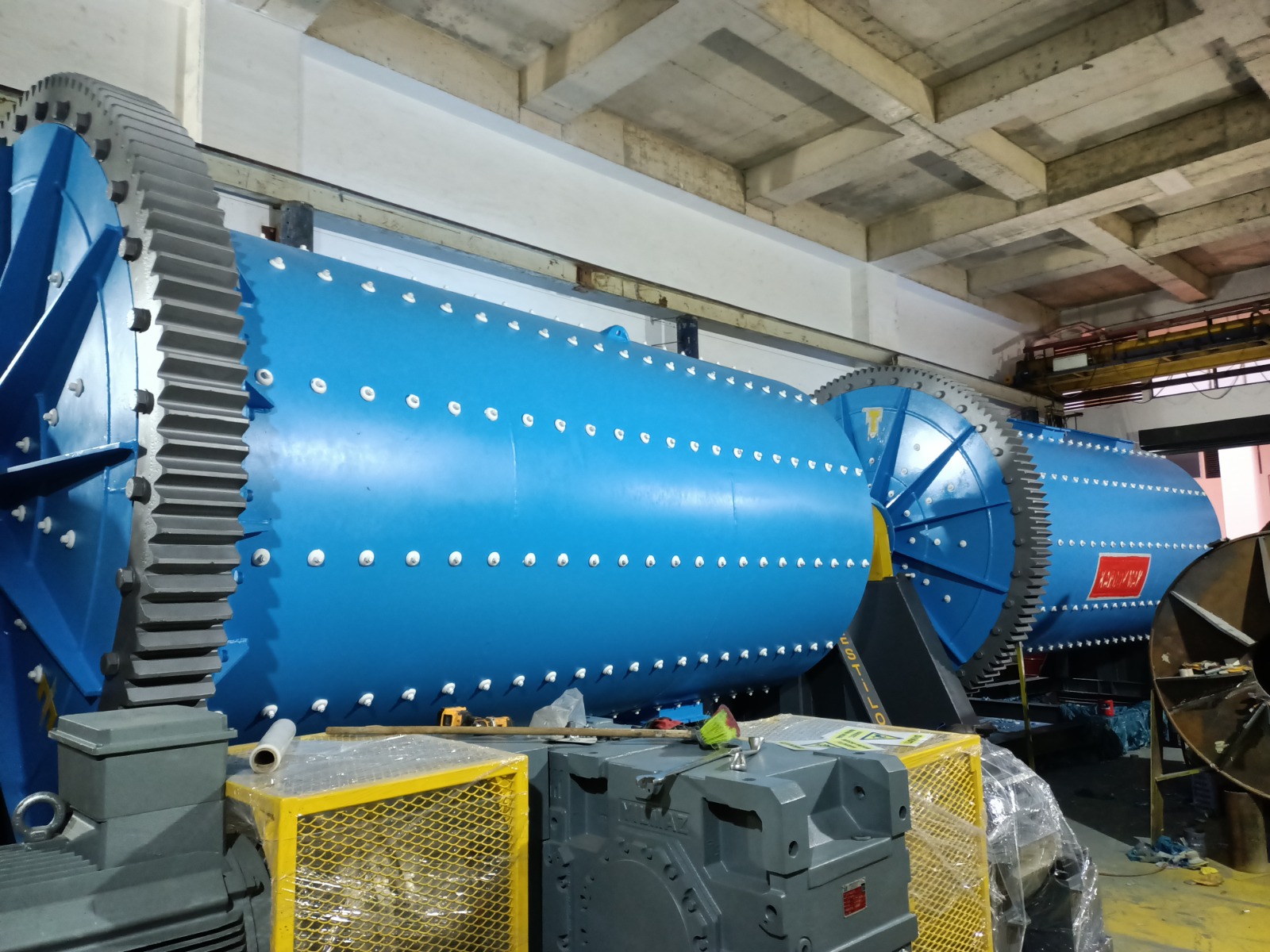
Thermal history before or after grinding can change product phase. Temperature, dust collection and moisture balance matter alongside PSD in a fine-product circuit.
Selection inputs and cement boundary
The cement-raw-material page targets a multi-component raw-meal system; this page targets gypsum identity and processing. Addition rate in cement follows product standards and the plant formulation, not this general article.
- Gypsum/anhydrite balance and impurities
- Free moisture and crystal water
- Target product before or after calcination
- Temperature limit, PSD and storage