
Calcite is a carbonate mineral with the formula CaCO₃. Ground calcium carbonate (GCC) is produced by mechanical size reduction of calcite-rich feed, while PCC is chemically precipitated; they are not the same process.
- Chemical identity
- CaCO₃
- Material class
- Carbonate mineral
- Commercial distinction
- Natural calcite, GCC and PCC are not interchangeable
Calcite and calcium carbonate
Calcite is a natural crystalline form of calcium carbonate. Industrial calcite feed varies in deposit mineralogy, purity, colour and associated minerals, so commercial grade cannot be defined by formula alone.
GCC is prepared from selected natural feed by crushing, grinding and classification. PCC is made through a controlled chemical precipitation route, giving it a different process history and particle morphology.
Industrial application logic
- Functional mineral or filler in paper, coatings, plastics and elastomers
- Particle-size-controlled feed for construction chemicals and coatings
- Grades defined by application-specific purity, brightness, shape and surface properties
Grinding and classification
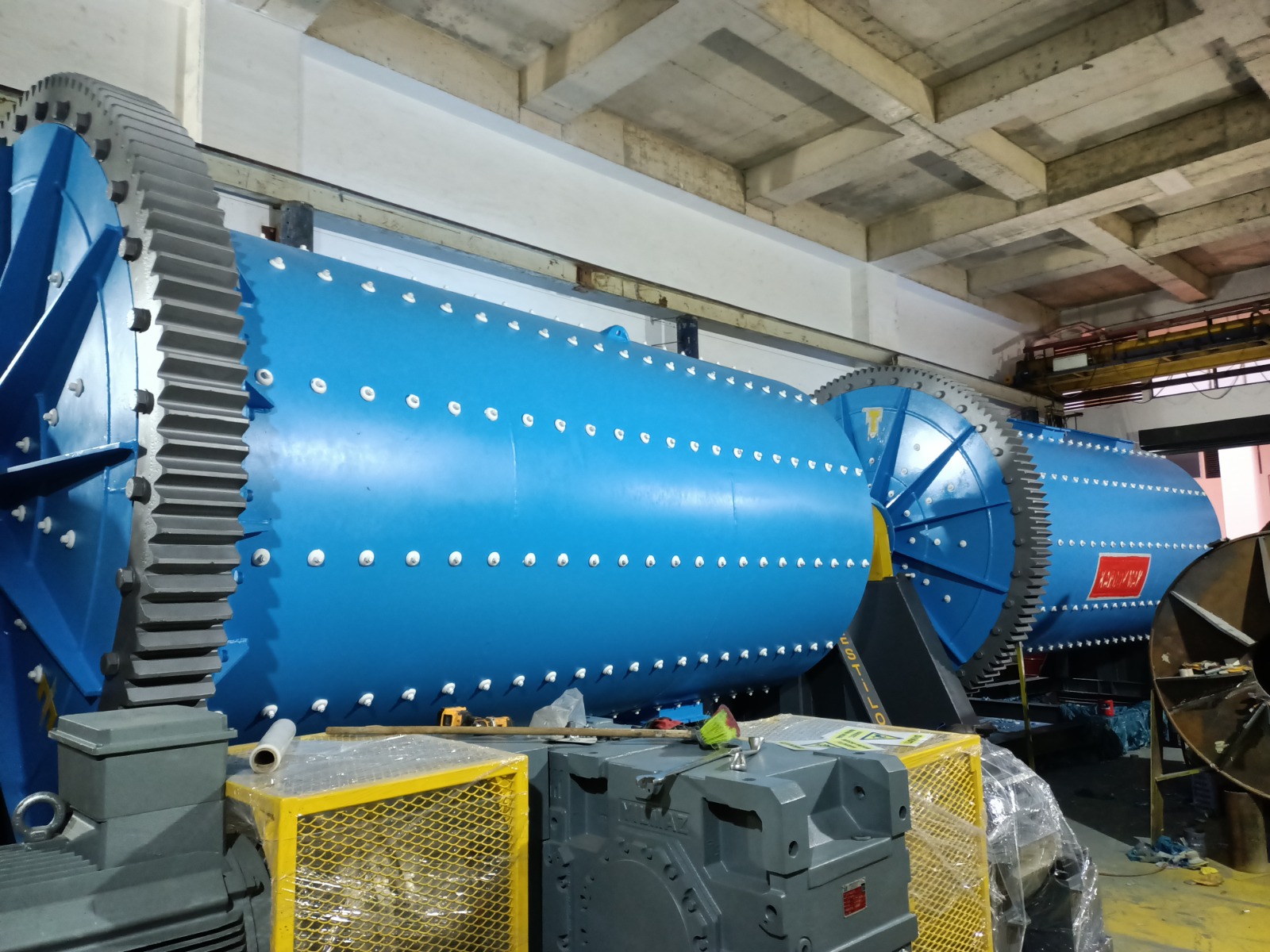
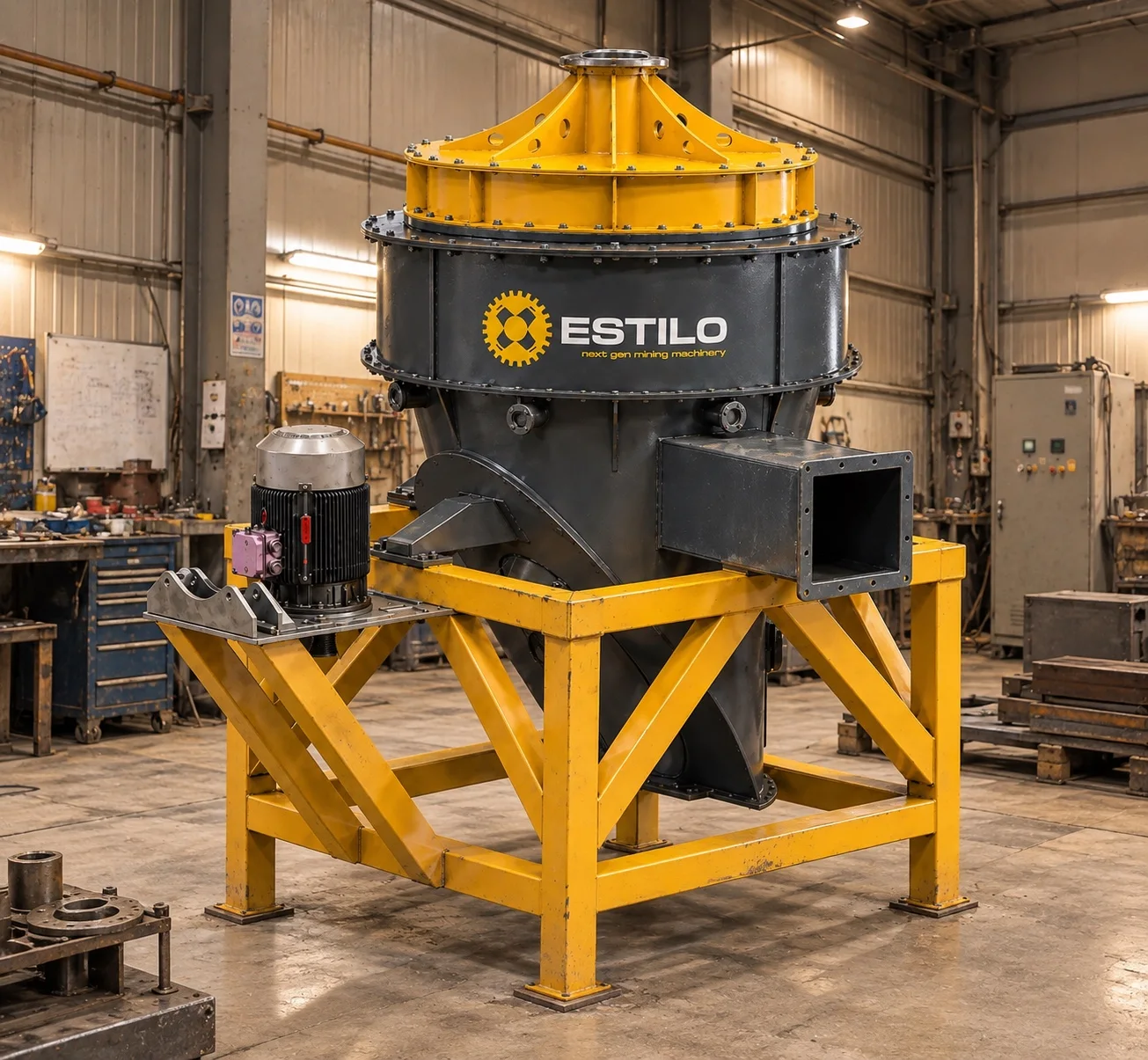
Micronized GCC production is not simply a request for a finer powder. PSD, top size, surface area, colour and contamination are managed together. Closed-circuit grinding and air classification can extract the target fraction while returning coarse material.
Calcite's breakage response does not remove the need to evaluate wear and energy. Feed mineralogy, purity target, coating needs and material handling alter equipment selection.
Difference from limestone and selection inputs
Limestone is a rock commonly rich in calcite; calcite is a defined mineral. The limestone page addresses geological feed and system context, while this page targets the mineral and micronized carbonate product.
- Calcite content and associated minerals
- Target PSD, top size and brightness
- Moisture, coating and storage
- Metal-contamination tolerance and end use