
Limestone is a sedimentary rock composed mainly of calcium-carbonate minerals. Calcite is a single mineral; limestone is a textured raw material that can contain several minerals.
- Class
- Carbonate sedimentary rock
- Common main mineral
- Calcite
- Key distinction
- Limestone is a rock; calcite is a mineral
Variability of limestone feed
Limestone varies by deposit in purity, texture, porosity, clay and silica content. Chemical and mineralogical analysis therefore provides a stronger process input than the rock name alone.
Marble is metamorphic and calcite is a mineralogical term. Although these materials may contain calcium carbonate, they should not be treated as identical feedstocks.
Industrial roles
- Principal carbonate source for cement and lime
- Aggregate and construction material
- Qualified feed for glass, chemical and environmental processes
- Selected source for ground carbonate products
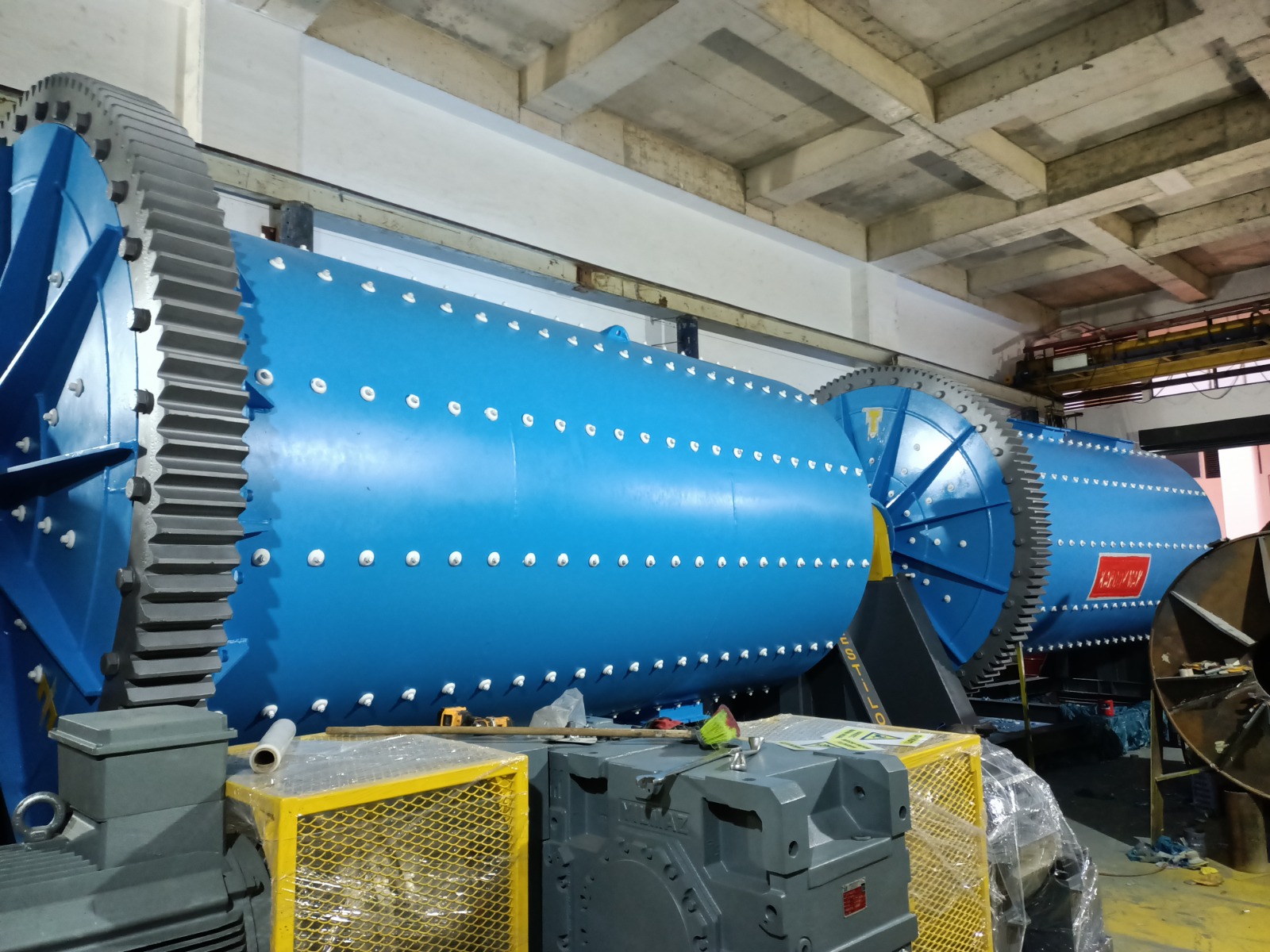
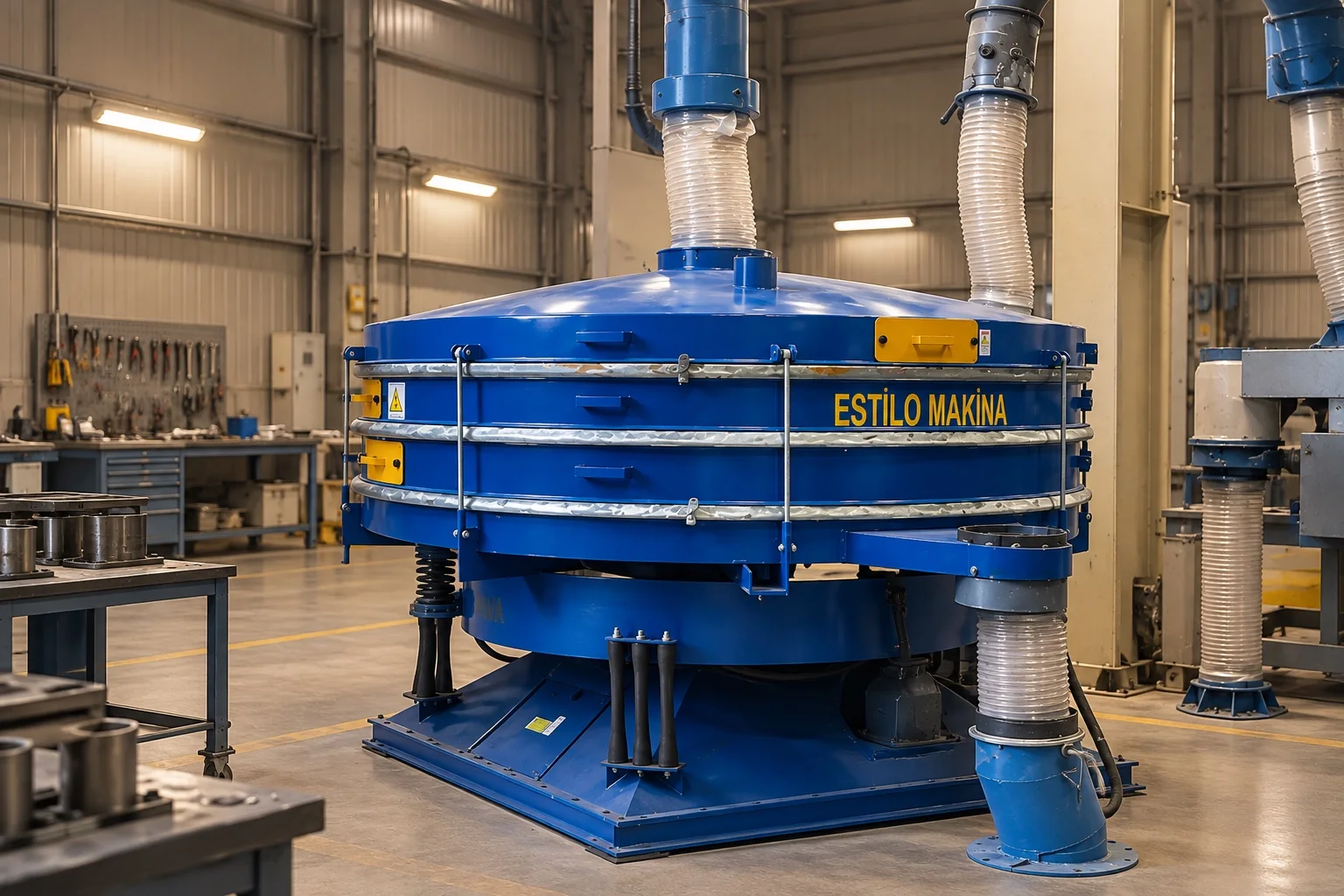
Crushing, screening and grinding
Quarried limestone is prepared to a controlled feed size; crushing and screening stabilise downstream mill or kiln feed. Fine-product duties can integrate grinding, drying and classification.
Clay-bearing or moist feed can change flow and screen blinding behaviour. Circuit architecture changes when the product is kiln feed, aggregate or fine powder.
Separation from calcite and cement raw materials
The calcite article covers calcite as a mineral and ground calcium carbonate, while the cement-raw-material article covers the proportioning of limestone, clay and corrective components as a multi-component system.
- Chemical and mineralogical composition
- Feed size, moisture and clay content
- Target product: kiln feed, aggregate or powder
- Wear and unwanted siliceous constituents