Hematite is a common Fe₂O₃ iron-oxide mineral. Its preparation route depends on gangue mineralogy, texture and the liberation size required by downstream separation.
- Formula / structure
- Fe₂O₃
- Ore role
- One of the principal iron-ore minerals
- Preparation focus
- Liberation from gangue
What is Hematite and how does it occur in ore?
Hematite can occur as metallic-grey crystals or as fine red-brown earthy material. Its red-brown streak is characteristic, but industrial ore behaviour is governed more by grain size and the way hematite is intergrown with gangue.
Why do hematite and magnetite not always use the same circuit?
Magnetite can respond directly to low-intensity magnetic separation because of its strong magnetism. Hematite may require a different separation route depending on particle size, associated minerals and ore texture, so a generic iron-ore flowsheet should not be assumed for every hematite feed.
Which behaviour matters during ore preparation?
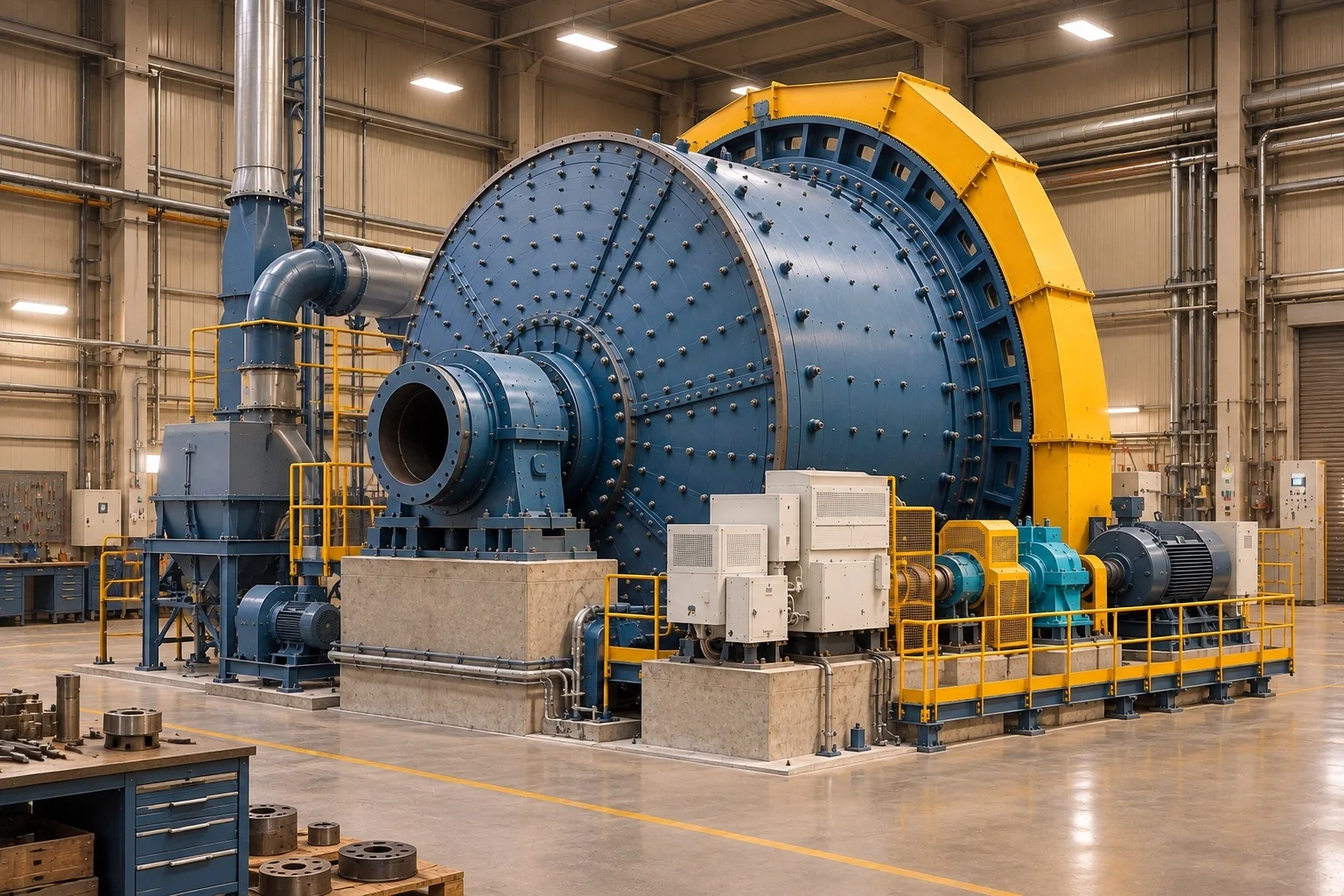
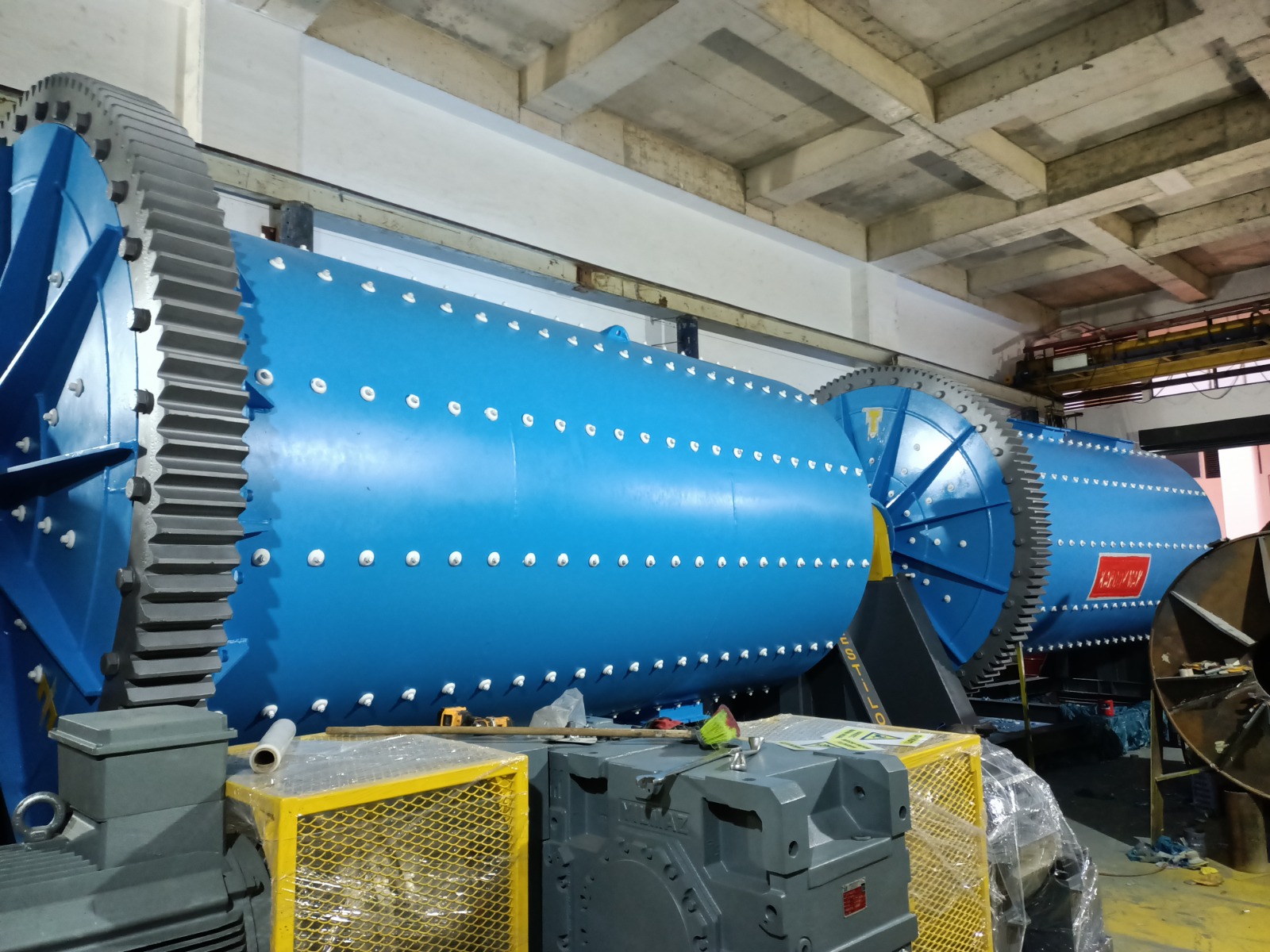
Crushing and grinding should release hematite from gangue rather than simply make the product finer. Continuing to grind already liberated particles can increase the fine fraction without improving separation.
Fine-grained or porous hematite ores can generate slimes that affect sampling and downstream separation. A fixed P80 should not be specified before representative mineralogical and liberation testing.
Which inputs should be verified?
- Hematite grain size and liberation
- Quartz, clay and other gangue minerals
- Feed and target particle-size distributions
- Moisture and fine-particle fraction
- Feed requirements of the downstream separation step