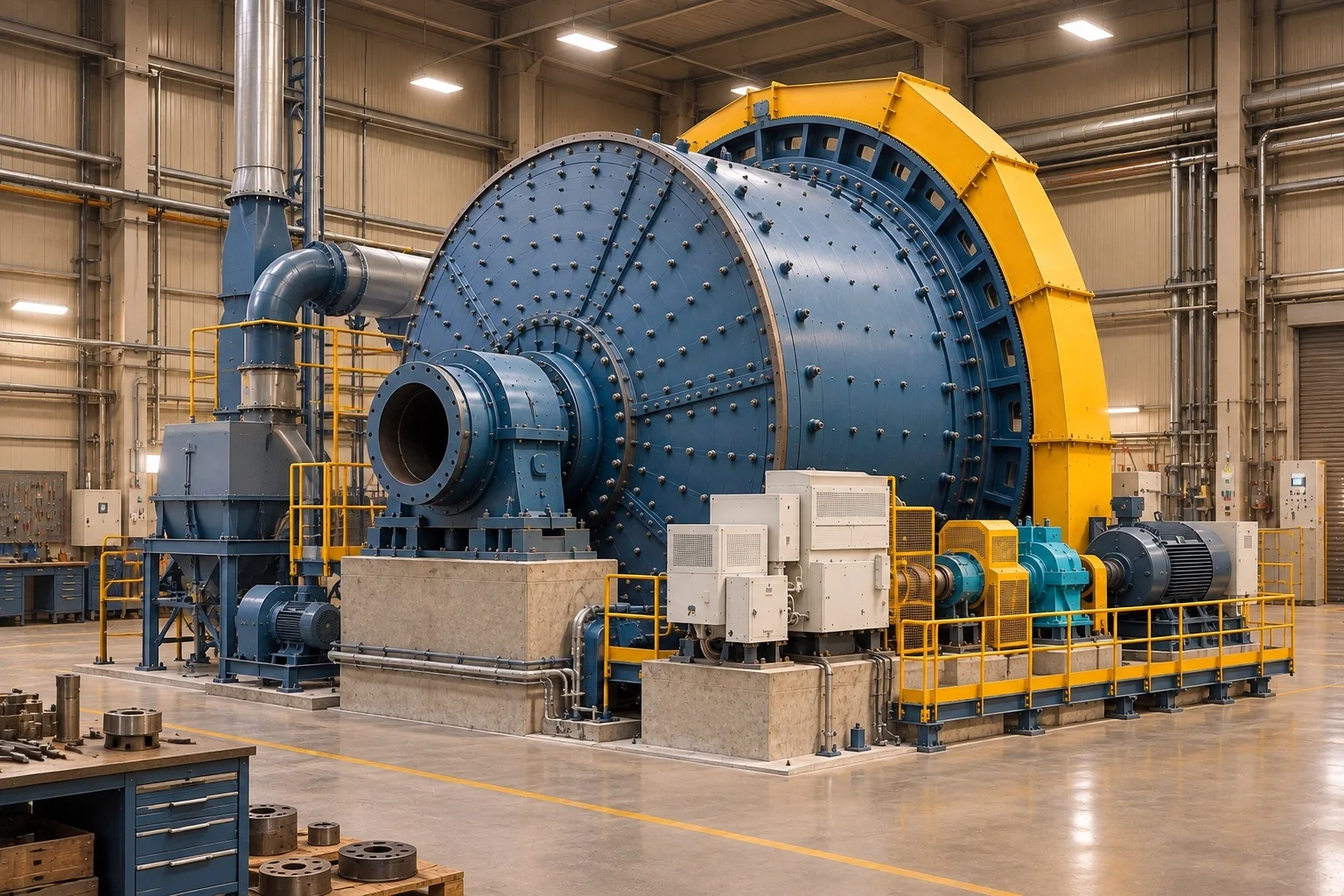
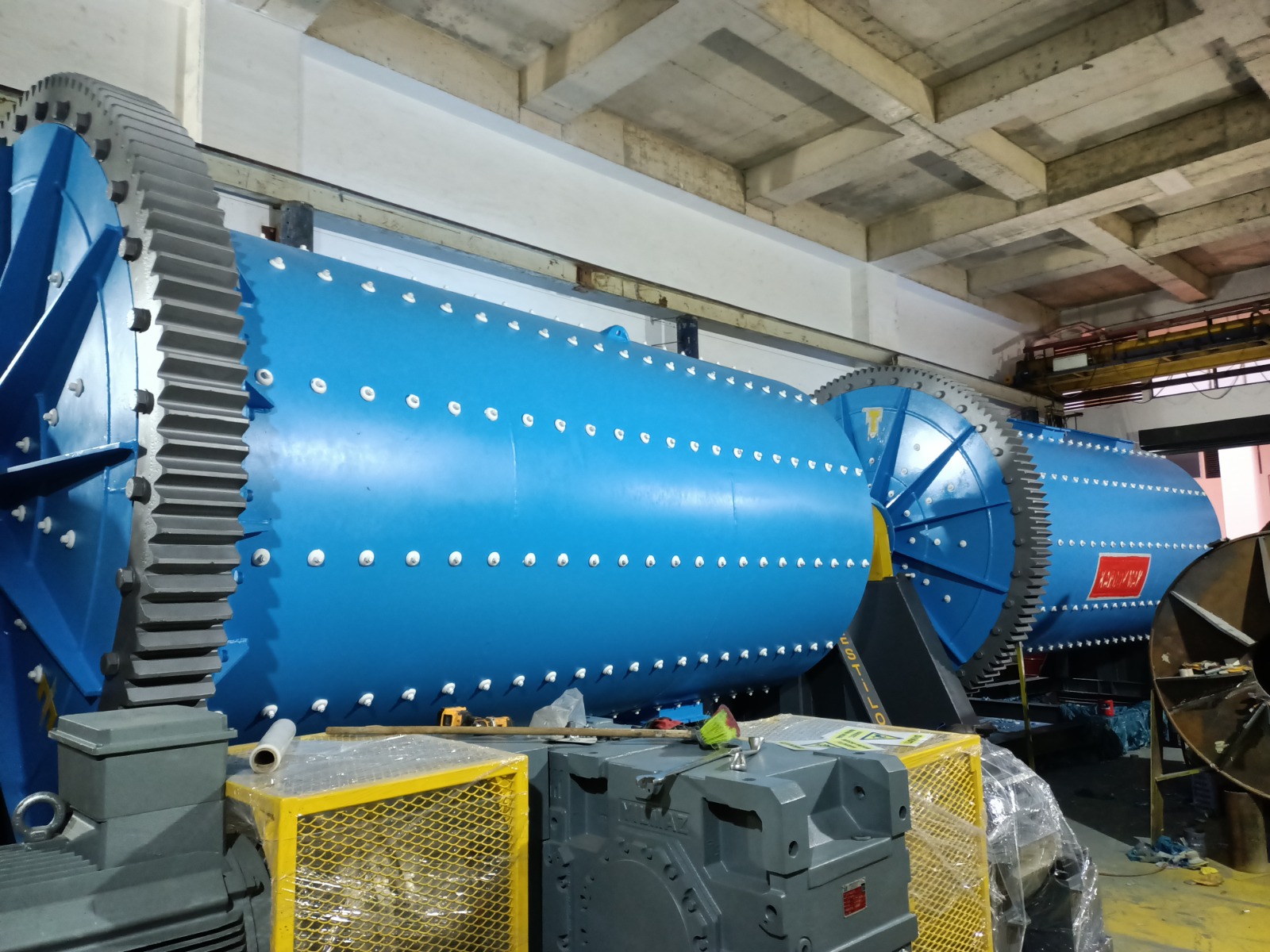
Magnetite is a major Fe₃O₄ iron-ore mineral with a strong magnetic response. Circuit design links liberation size with the feed requirements of magnetic separation.
- Formula / structure
- Fe₃O₄
- Ore role
- Principal magnetic iron-ore mineral
- Preparation focus
- Preparation for magnetic separation after grinding
What is Magnetite and how does it occur in ore?
Magnetite is a black iron oxide that can show natural magnetism. In ore, however, it may be intergrown with quartz, silicates, sulfides or titanium-bearing phases rather than occurring as clean crystals.
Why is magnetism alone not enough to define the flowsheet?
Even when magnetic separation is promising, locked magnetite can carry gangue into the magnetic product. Grinding therefore has to be selected from ore texture and liberation behaviour rather than from magnetic susceptibility alone.
Which behaviour matters during ore preparation?
Staged grinding with intermediate magnetic separation can reduce unnecessary regrinding in some ores. Its value should be verified with representative samples, size-by-size data and a mass balance.
Titaniferous magnetite, fine clays or mixed sulfide associations can complicate a simple magnetite circuit. Product targets should therefore include unwanted components rather than iron grade alone.
Which inputs should be verified?
- Magnetite liberation size
- Magnetic response by size fraction
- Gangue and impurity mineralogy
- Feed particle size and moisture
- Mass balance for magnetic product and tailings