
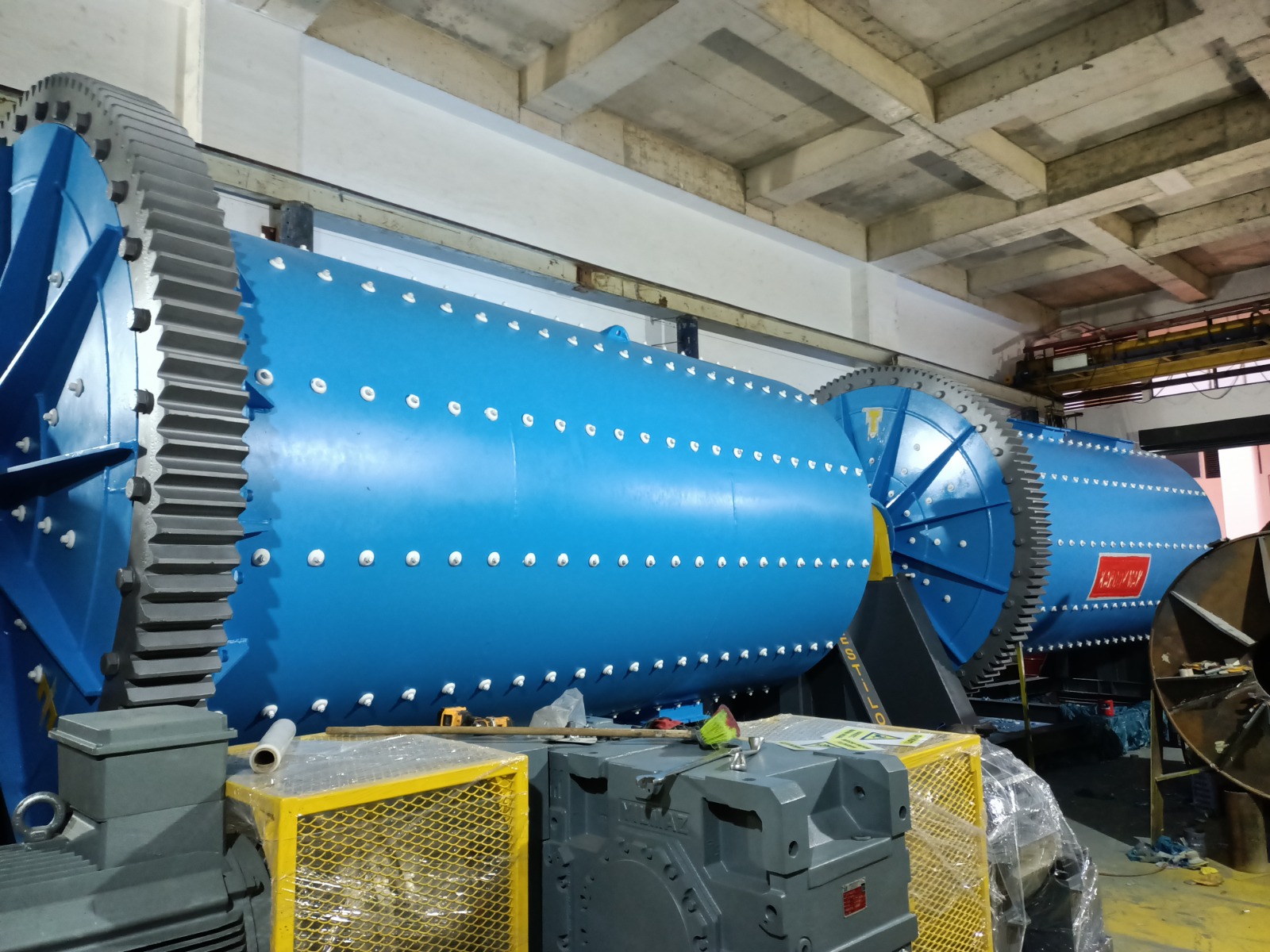
Sphalerite (ZnS) is the principal zinc ore mineral worldwide. Iron content, associated sulfides such as galena and pyrite, and gangue mineralogy influence grinding and preparation for selective beneficiation.
- Principal mineral
- Sphalerite (ZnS)
- Common associates
- Galena and pyrite
- Preparation focus
- PSD suitable for liberation and selective separation
Why is sphalerite alone not a complete feed description?
Sphalerite can contain variable iron substitution and occur with galena, pyrite, carbonate or silicate gangue. That variability can influence surface chemistry and separation behaviour.
The target product for zinc ore is therefore not simply “fine powder”; it is defined by the liberation and PSD required by the downstream beneficiation step.
How do grinding and classification work together?
After crushing, grinding aims to expose sphalerite from gangue. In closed circuit, classification removes sufficiently fine product while returning coarser material to the mill.
An unsuitable cut size can create excessive circulating load or inadequate liberation, so measurement and sampling are part of circuit design.
What changes in lead-zinc association?
When galena and sphalerite are both economic, the liberation requirements of two valuable minerals must be considered together. Individual particles may lock lead and zinc sulfides together.
This requires the shared liberation and circuit behaviour of two valuable sulfides to be evaluated together rather than as two independent single-metal feeds.
Plant-design inputs
- Sphalerite composition and associated sulfides
- Gangue mineralogy and clay content
- Feed PSD, moisture and variability
- Liberation size and target product PSD
- Downstream beneficiation testwork