
Sepiolite is a magnesium-rich clay mineral with a channelled, fibrous crystal morphology. Commercial behaviour depends on deposit, associated minerals, moisture and activation history; meerschaum and industrial sepiolite are not one product definition.
- Correct class
- Magnesium-rich clay mineral
- Critical morphology
- Channelled, fibrous structure
- Turkish context
- Industrial and meerschaum occurrences differ
Mineralogical identity of sepiolite
Sepiolite is a clay mineral associated with high surface area, channels and fibrous morphology. Quartz, palygorskite, carbonates and other associated phases can influence purity and product behaviour.
Sedimentary industrial sepiolite and workable nodular meerschaum occurrences in Türkiye should not be presented as one market product.
Balancing drying and grinding
Moisture, agglomeration and drying history affect feed behaviour. Excessive mechanical or thermal treatment may alter structure valued for sorptive or rheological performance.
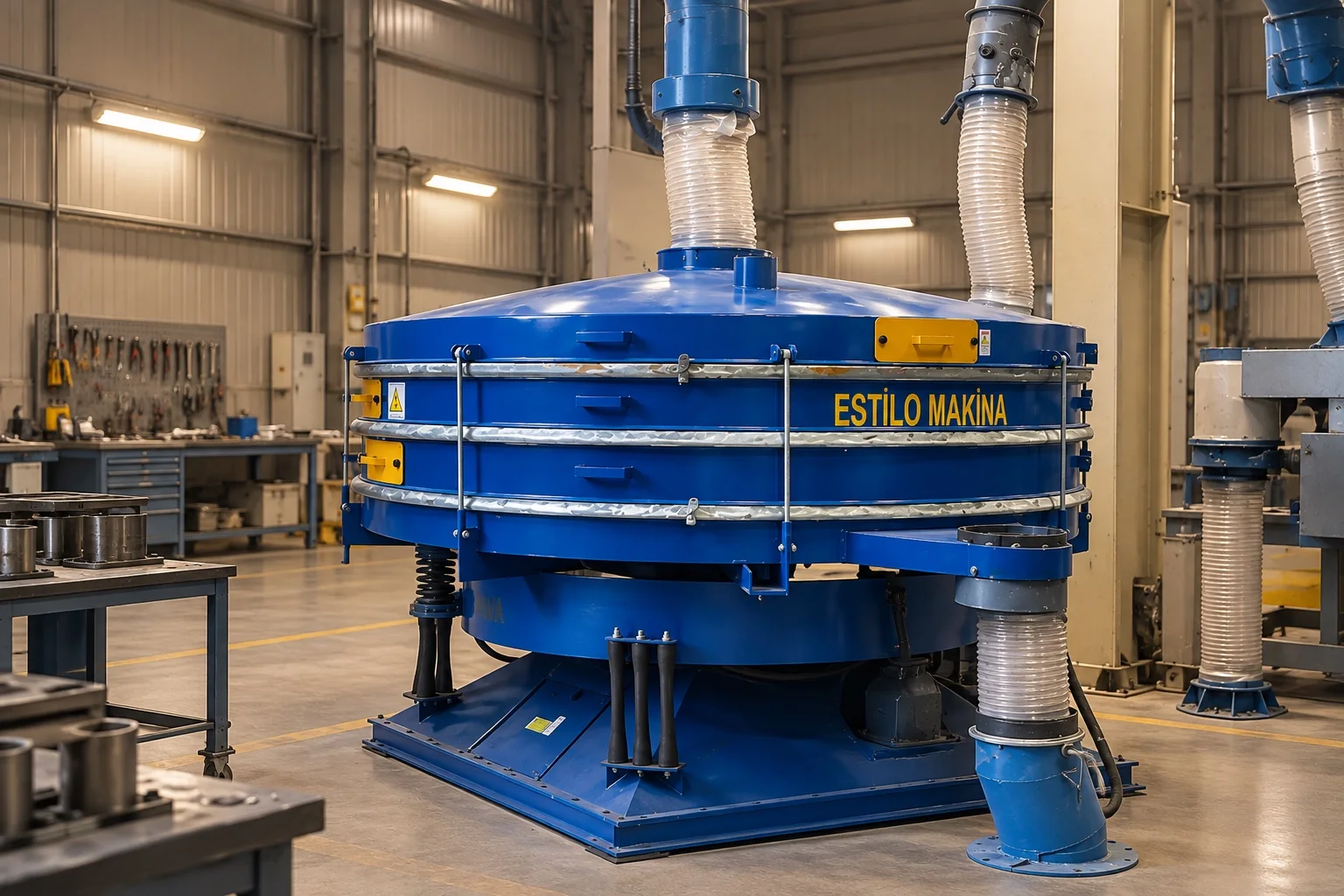
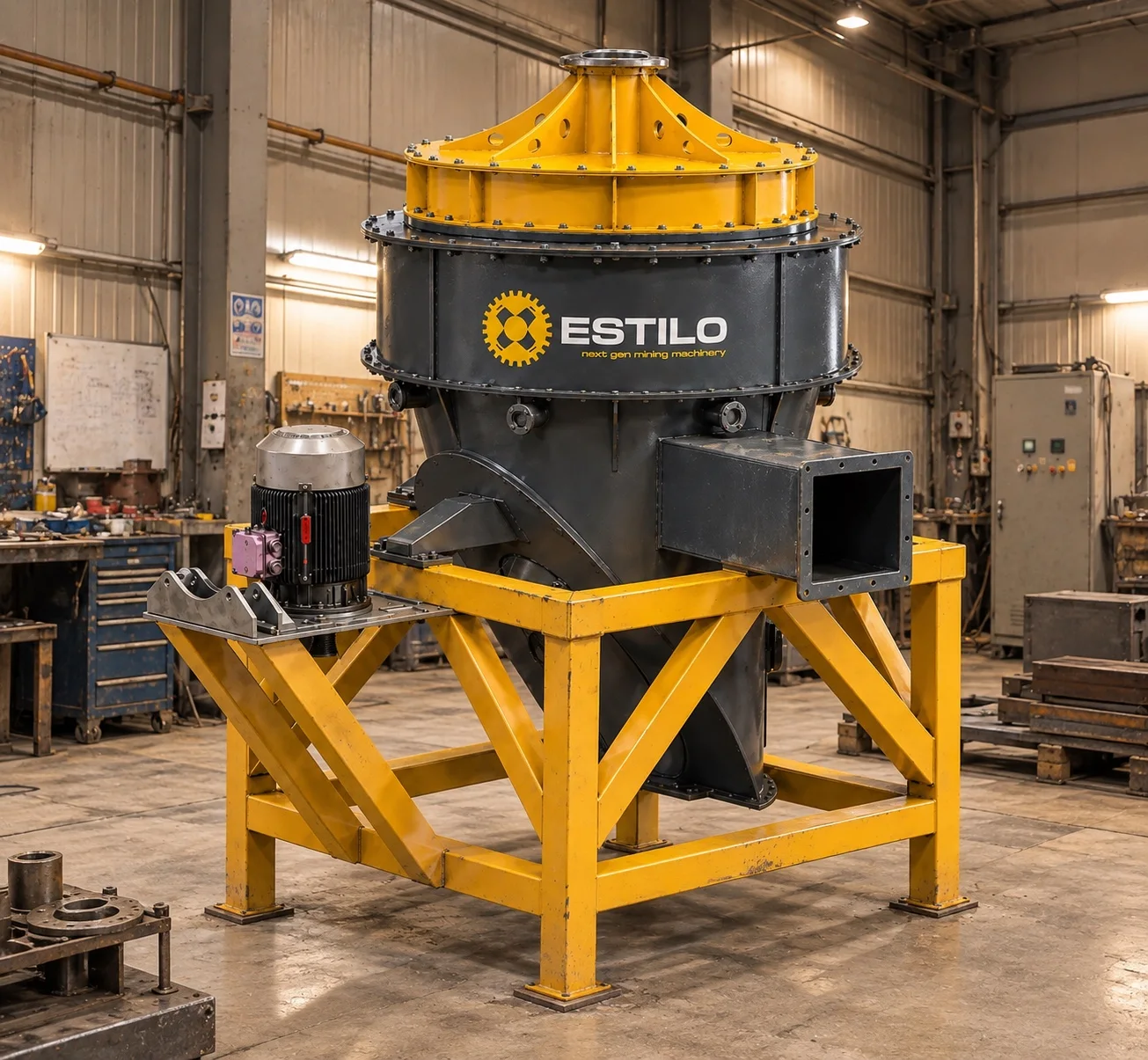
A granular product calls for controlled breakage and screening; a fine formulation grade requires validated grinding and classification. No single route fits every sepiolite product.
Industrial application context
- Sorptive material and industrial absorbents
- Formulations governed by rheology and suspension behaviour
- Carrier or functional-mineral applications
- Application-specific preparation as granules, fine powder or activated material
Project data
- Deposit mineralogy and associated phases
- Moisture, drying sensitivity and agglomeration
- Target size and surface or morphology to preserve
- Activation or surface-treatment requirement
- Dust collection, screening and packaging conditions