
Barite, also spelled baryte, is the sulfate mineral BaSO₄ and is known for high specific gravity. Its use as a drilling-fluid weighting material depends on grade standards and is not an Estilo product guarantee.
- Formula
- BaSO₄
- Class
- Sulfate mineral
- Distinguishing property
- High mineral density; not the same as bulk density
Defining barite feed
Barite's industrial value is not explained by weight alone. Barium-sulfate content, gangue minerals, colour, soluble impurities and size distribution determine suitability.
Mineral density describes solid material; bulk density includes particle packing. These values cannot be substituted in bagging, silo and feeder calculations.
Applications
- Specification-led weighting material in oil and gas drilling fluids
- Qualified functional filler in coatings, plastics and rubber
- Special high-density and radiation-shielding compositions
- Purity-specific chemical and glass uses
Barite grinding and classification
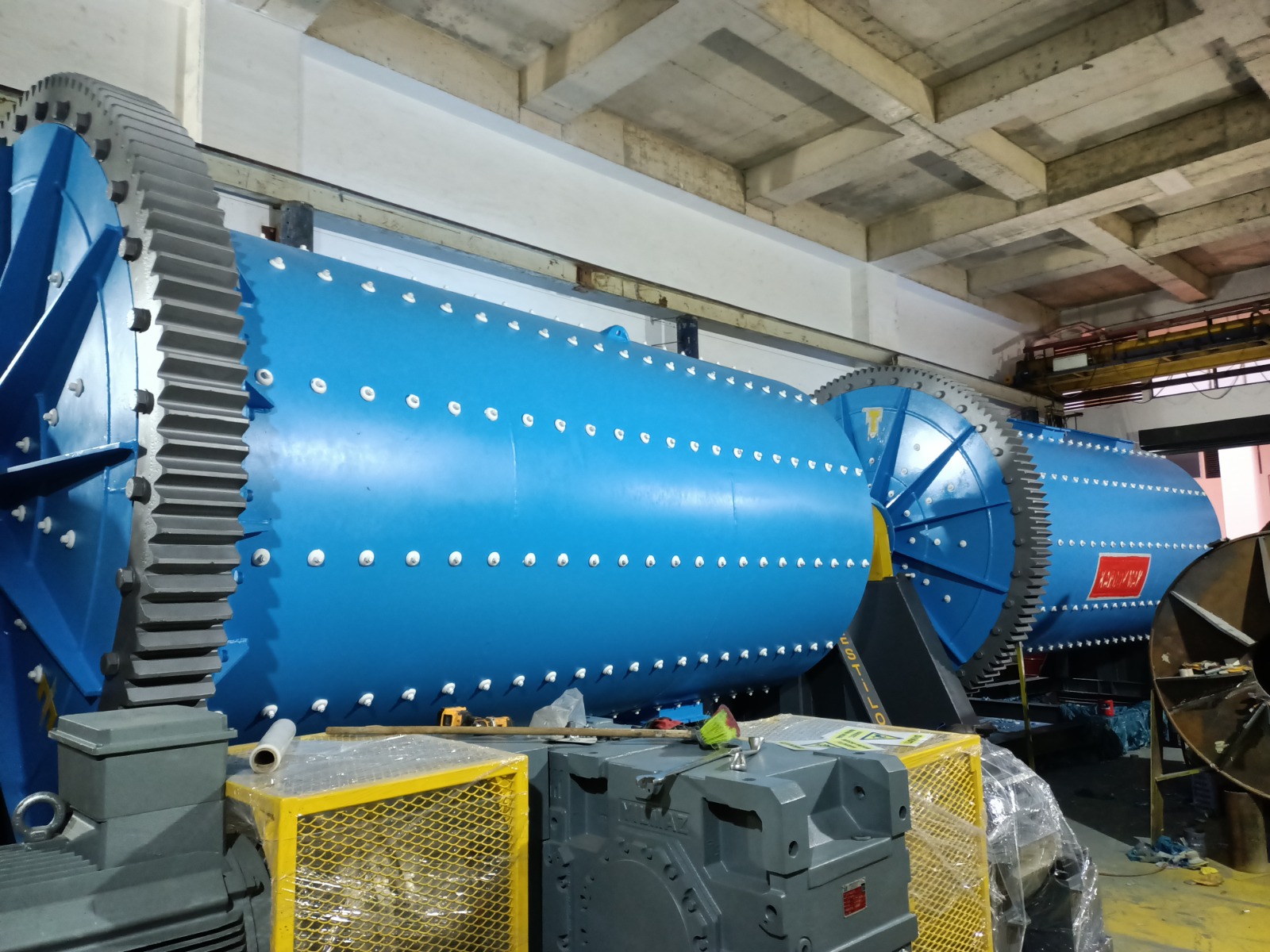
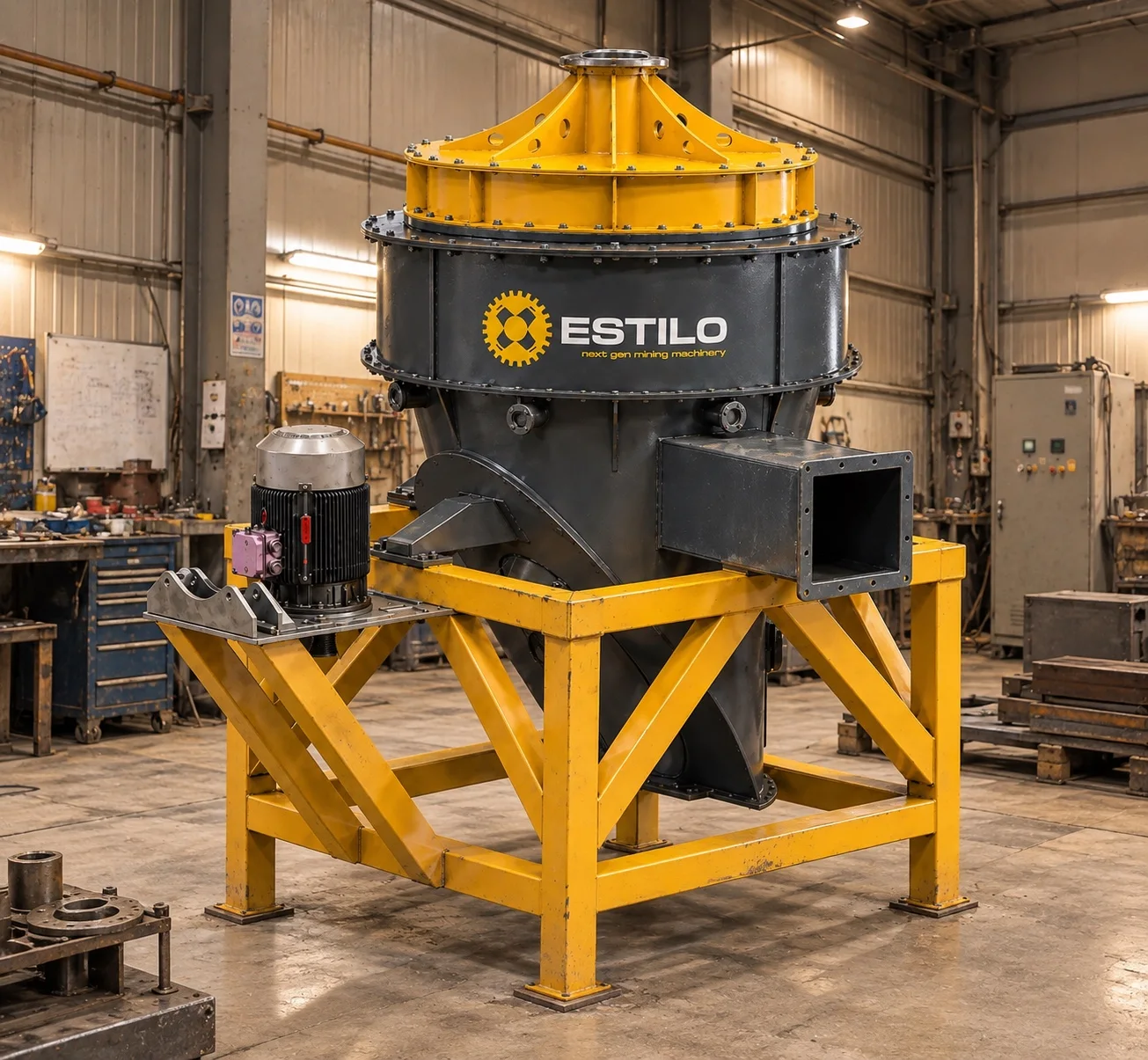
Products can range from coarsely ground barite to micronized fillers. Mill and classifier selection follows feed mineralogy, target PSD, colour, capacity and contamination tolerance.
High density affects handling, separation and silo behaviour. Dust containment and product collection are as important as the mill in fine-powder production.
Boundary around drilling grade
API or customer specifications may define chemical and physical acceptance criteria. This page provides general material knowledge; it does not imply that any grinding line automatically produces drilling-grade barite.
- Feed BaSO₄ content and impurities
- Mineral and bulk-density data
- Target PSD and coarse tail
- Colour, moisture and end-use standard