
Feldspar is a group of rock-forming aluminosilicate minerals containing potassium, sodium or calcium. Industrial performance depends on alkali balance, impurities and end use rather than one universal formula.
- Identity
- Alkali and calcium aluminosilicate mineral group
- Main context
- Ceramic and glass raw material
- Critical quality input
- Mineralogy, alkali balance and iron-bearing impurities
Feldspar is not one mineral
Feldspar names a mineral group whose members differ in composition and melting behaviour. Potassic and sodic feldspars can perform different roles in formulations, so deposit chemistry and mineral associations require verification.
Feldspar commonly acts as a flux in ceramic firing. In glass, its contribution of alumina and alkalis is relevant, while unwanted iron can affect colour and product quality.
Preparation and applications
- Ceramic bodies and glaze formulations
- Source of alkalis and alumina in glass
- Selected coating, plastics and filler uses
- Multi-component raw-material systems with quartz and kaolin
Grinding behaviour
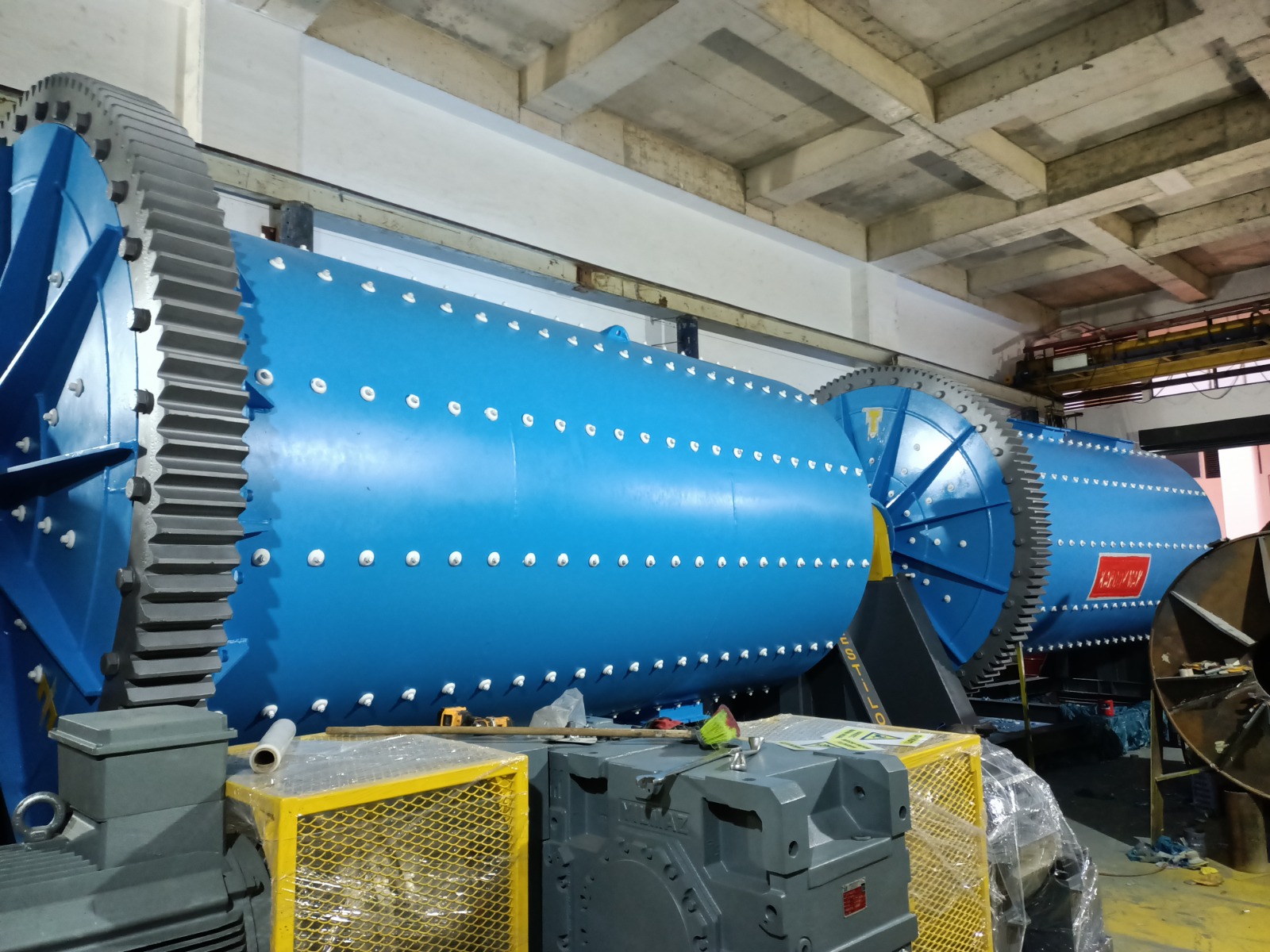
Dry or wet feldspar grinding is selected around the downstream forming and mixing route. Co-grinding with quartz and kaolin changes blend PSD because the components do not break identically.
For iron-sensitive products, liners, grinding media and transfer surfaces form part of the process decision. A nominal mill type alone cannot guarantee product purity.
Selection and related process considerations
Feldspar is treated here through its own mineralogy and processing behaviour. Ceramic raw materials are a broader formulation and preparation topic in which feldspar, kaolin, silica and other constituents are considered together.
- Mineralogy and alkali balance
- Target fineness and formulation
- Iron/chromium contamination limit
- Dry or wet circuit and drying needs