
Fly ash is a fine industrial by-product carried with flue gas from pulverised-fuel combustion and collected by particulate-control systems. Chemistry depends on fuel and boiler; fineness depends on grinding, combustion and collection.
- Class
- Combustion-derived industrial by-product
- Natural mineral?
- No
- Main quality axes
- Chemistry, carbon, fineness and variability
Origin of fly ash
The mineral fraction of coal or another fuel transforms during combustion; fine spherical and irregular particles travel with flue gas. Fuel source, combustion temperature and collection point change composition.
Standard-based classes such as F or C follow chemical and performance criteria and cannot be assigned from colour or plant name alone.
Use and quality context
- Qualified supplementary cementitious material
- Filler, flowable fill and road uses
- Selected industrial raw-material or secondary-material routes
- Source- and standard-specific acceptance criteria
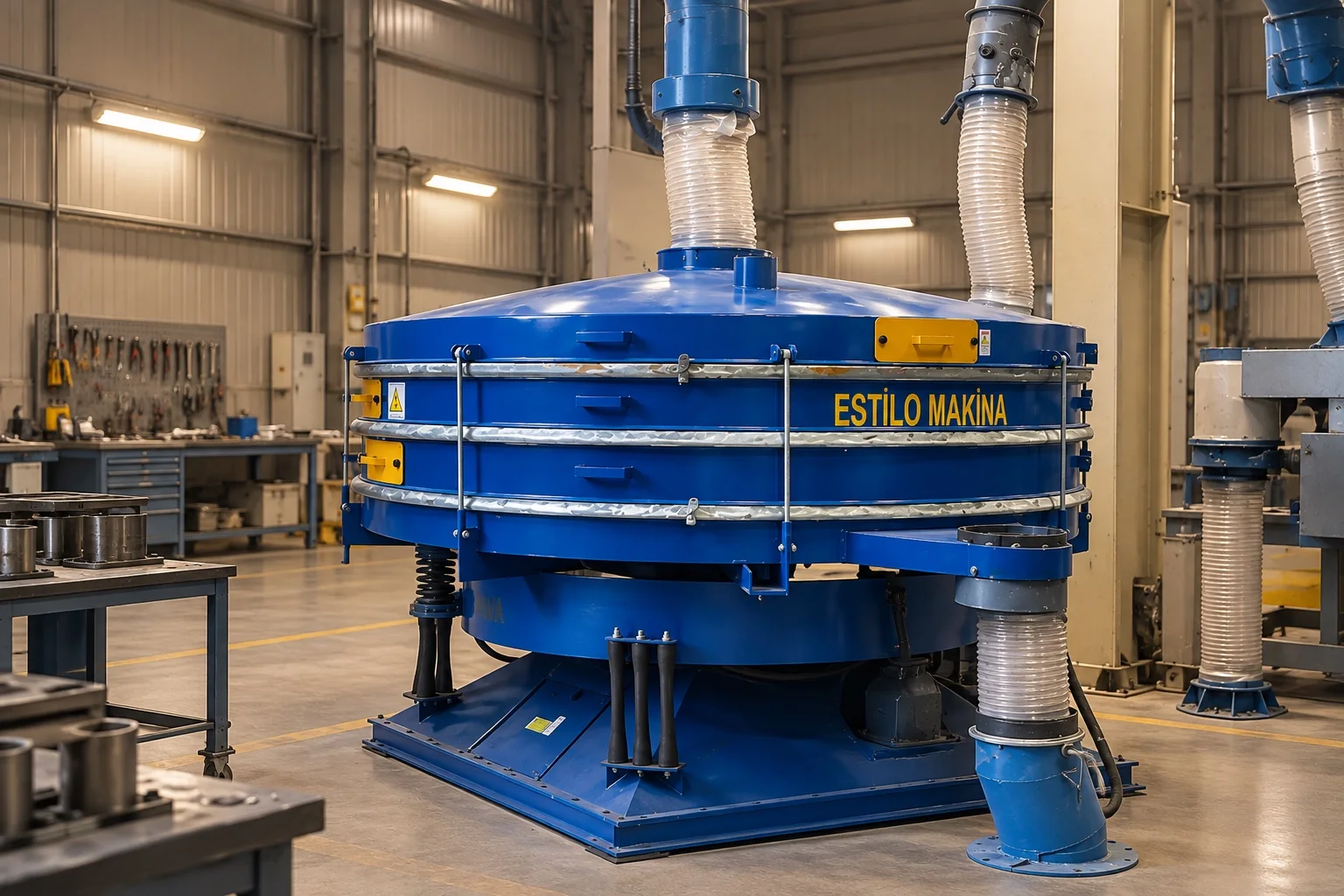
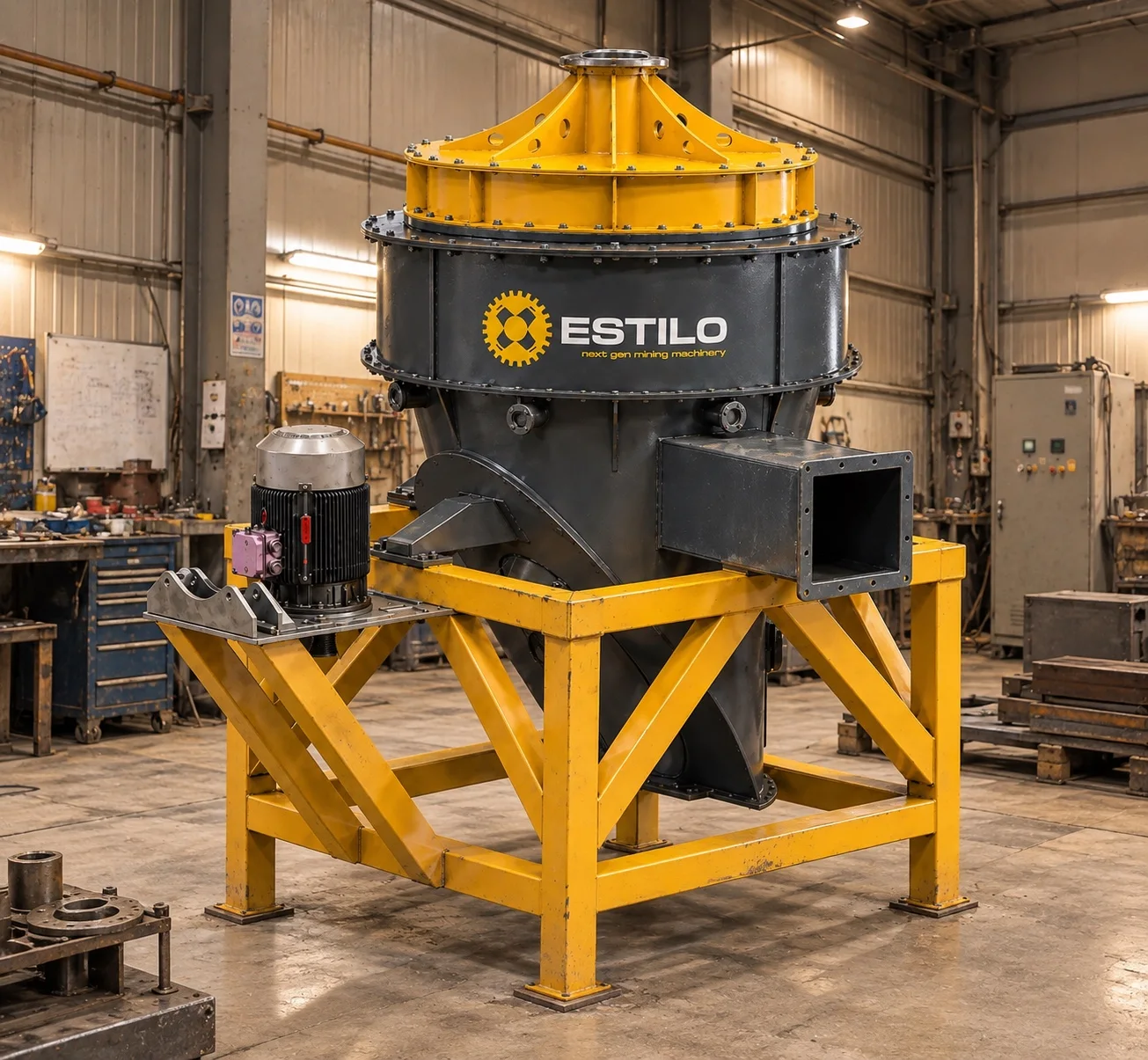
Screening and air classification
Mechanical screening can remove coarse residue, while air classification separates fractions by aerodynamic behaviour. These steps do not automatically correct chemical nonconformity.
Grinding can reduce coarse or agglomerated particles, but residual carbon, spherical morphology and reactivity cannot be explained by PSD alone.
Process-selection inputs
- Fuel, boiler and collection source
- Chemistry, LOI/carbon and standard compliance
- Feed and target PSD
- Moisture, agglomeration, silo flow and dust control