
Cement raw materials are a controlled blend of limestone, clay or marl and corrective components supplying calcium, silica, alumina and iron for clinker. The fine, homogeneous kiln feed is called raw meal.
- Class
- Multi-component industrial raw-material system
- Main components
- Carbonate, clay/marl and correctives
- Target intermediate
- Homogeneous raw meal
A chemical target, not one mineral
A raw-meal formulation follows target clinker chemistry rather than one limestone or clay name. Limestone supplies calcium; clay, shale, marl, sand, iron-bearing correctives or selected secondary materials can contribute the required oxide balance.
Sampling, analysis, dosing and blending manage feed variability. This page does not publish a fixed formulation.
Raw-meal preparation flow
- Selective feeding or preblending at quarry and stockyard
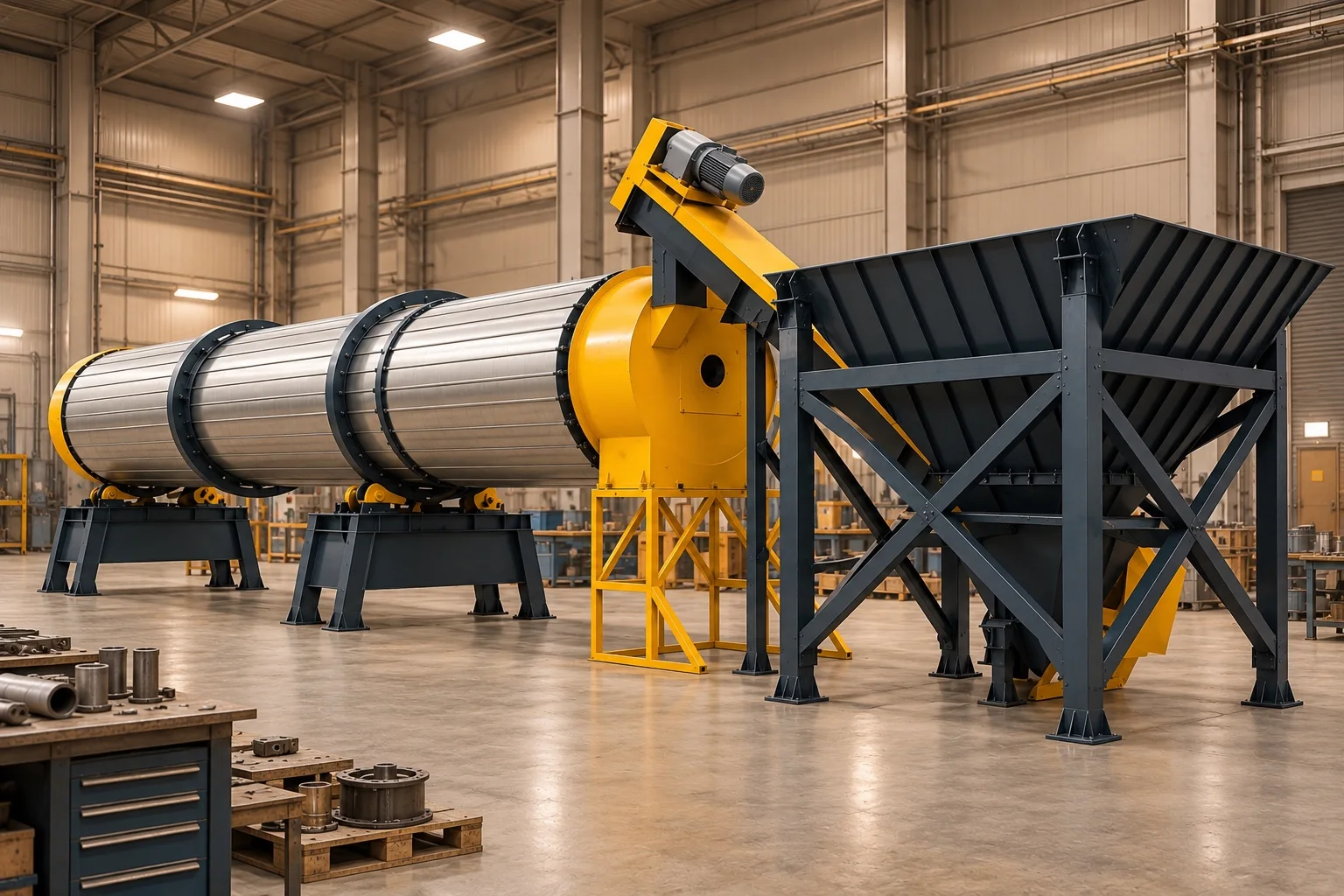
- Crushing and size-controlled feeding
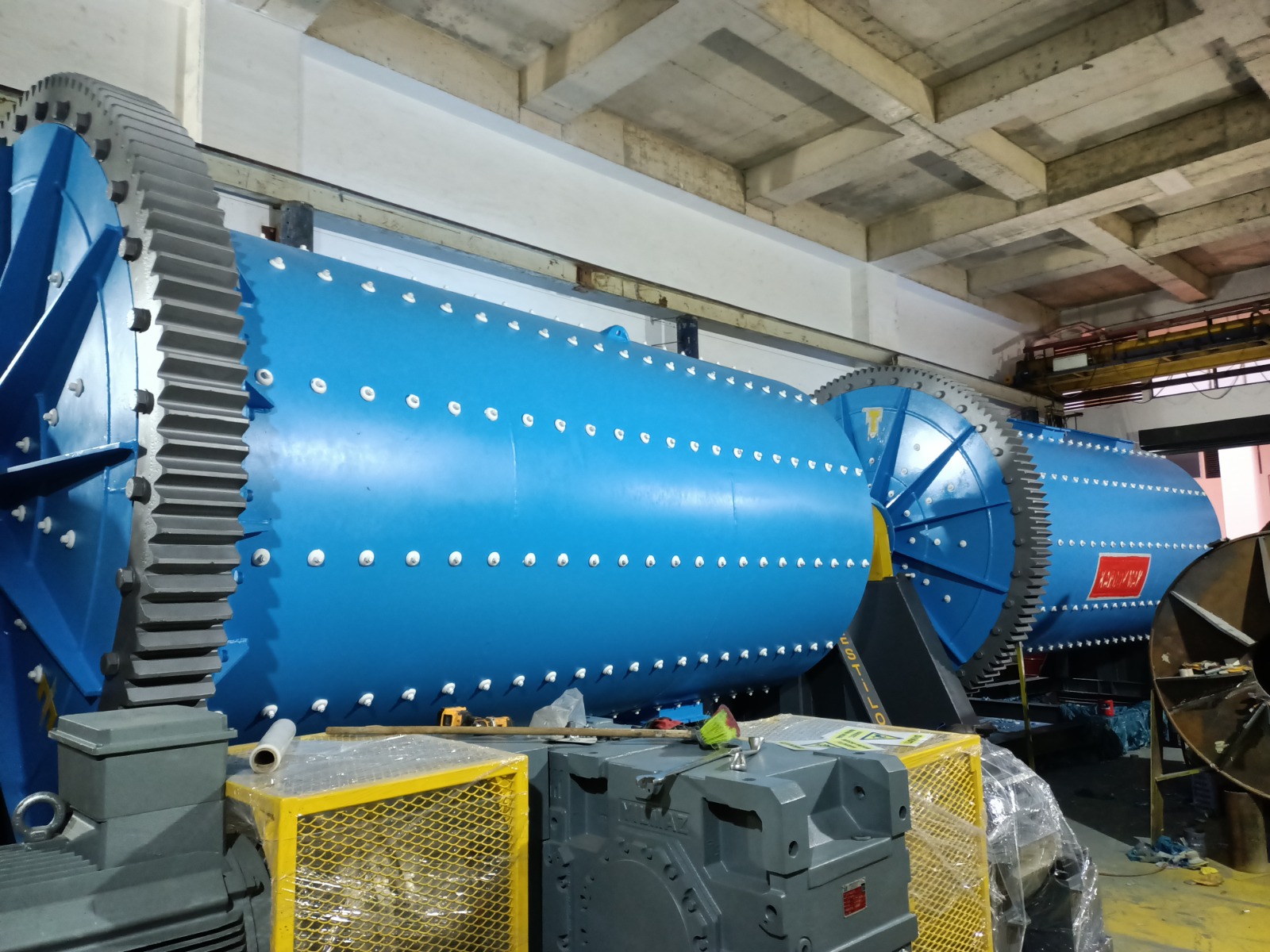
- Constituent dosing, drying and grinding
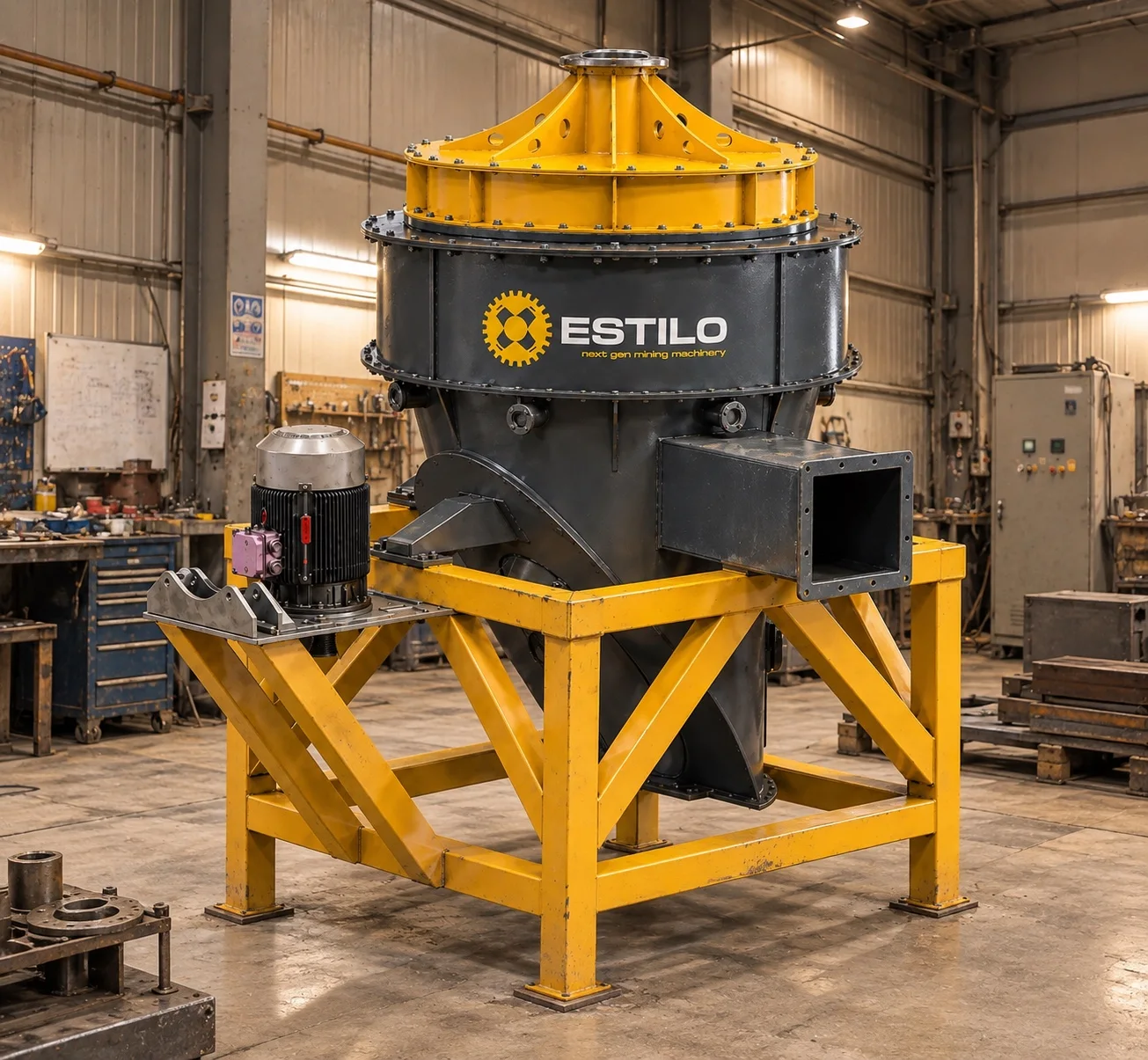
- Separator circuit, silo homogenisation and kiln feed
Grinding-drying integration
Moisture in clay and marl can affect mill capacity and hot-gas demand. If drying and grinding share a circuit, gas flow, product temperature, collection and safe operation are calculated together.
Different grindability of constituents can influence chemical distribution in raw meal. Average fineness alone does not reveal homogeneity or coarse quartz residue.
How this differs from related articles
The limestone article covers carbonate rock, the clinker article covers the post-kiln intermediate and the gypsum article covers a separate sulfate feed. This article focuses on the pre-kiln multi-component raw-material system and raw-meal control.
- Chemistry and mineralogy of every constituent
- Moisture, feed distribution and blending
- Target raw-meal PSD and chemical homogeneity
- Kiln requirement, storage and dosing stability