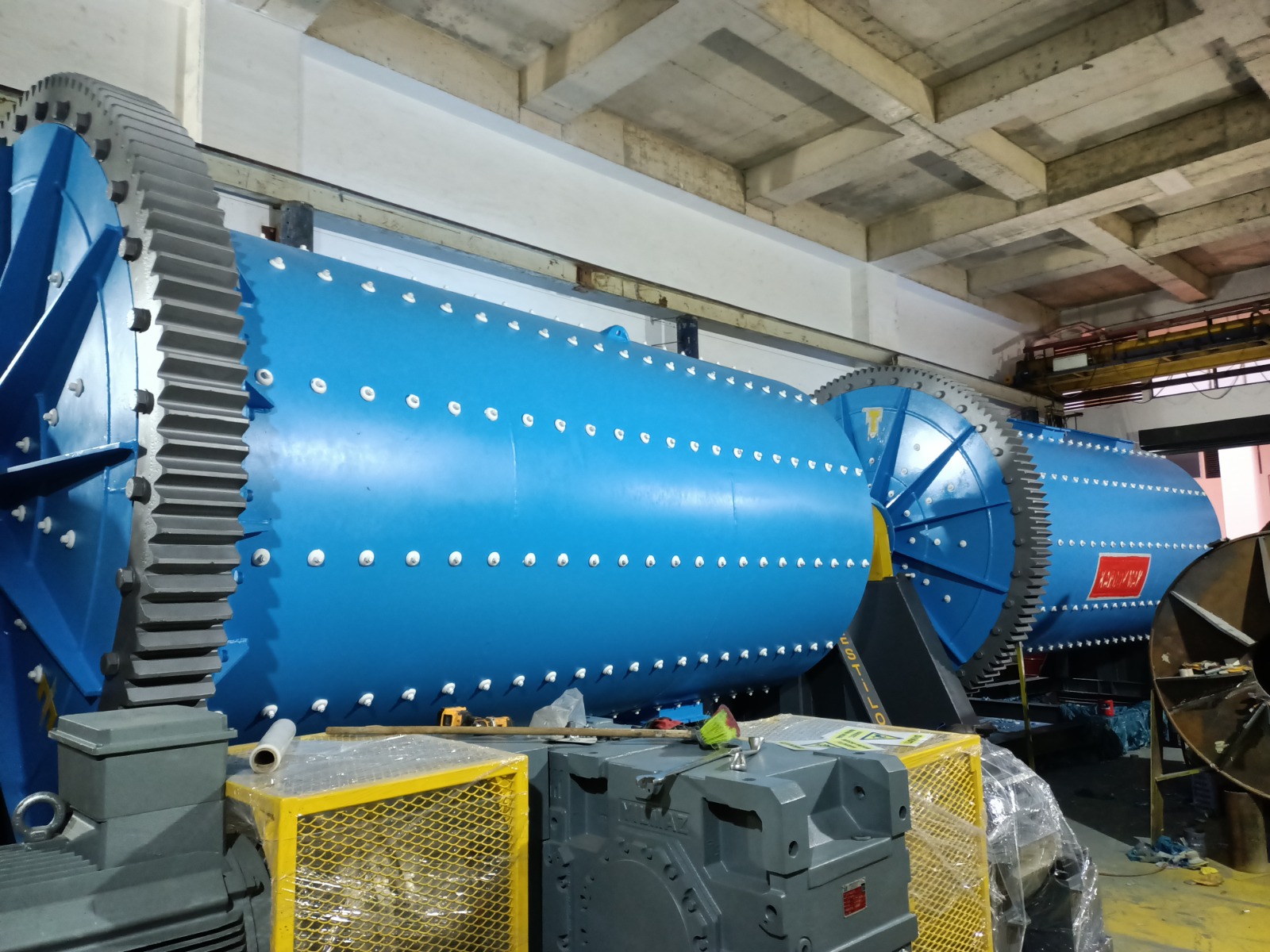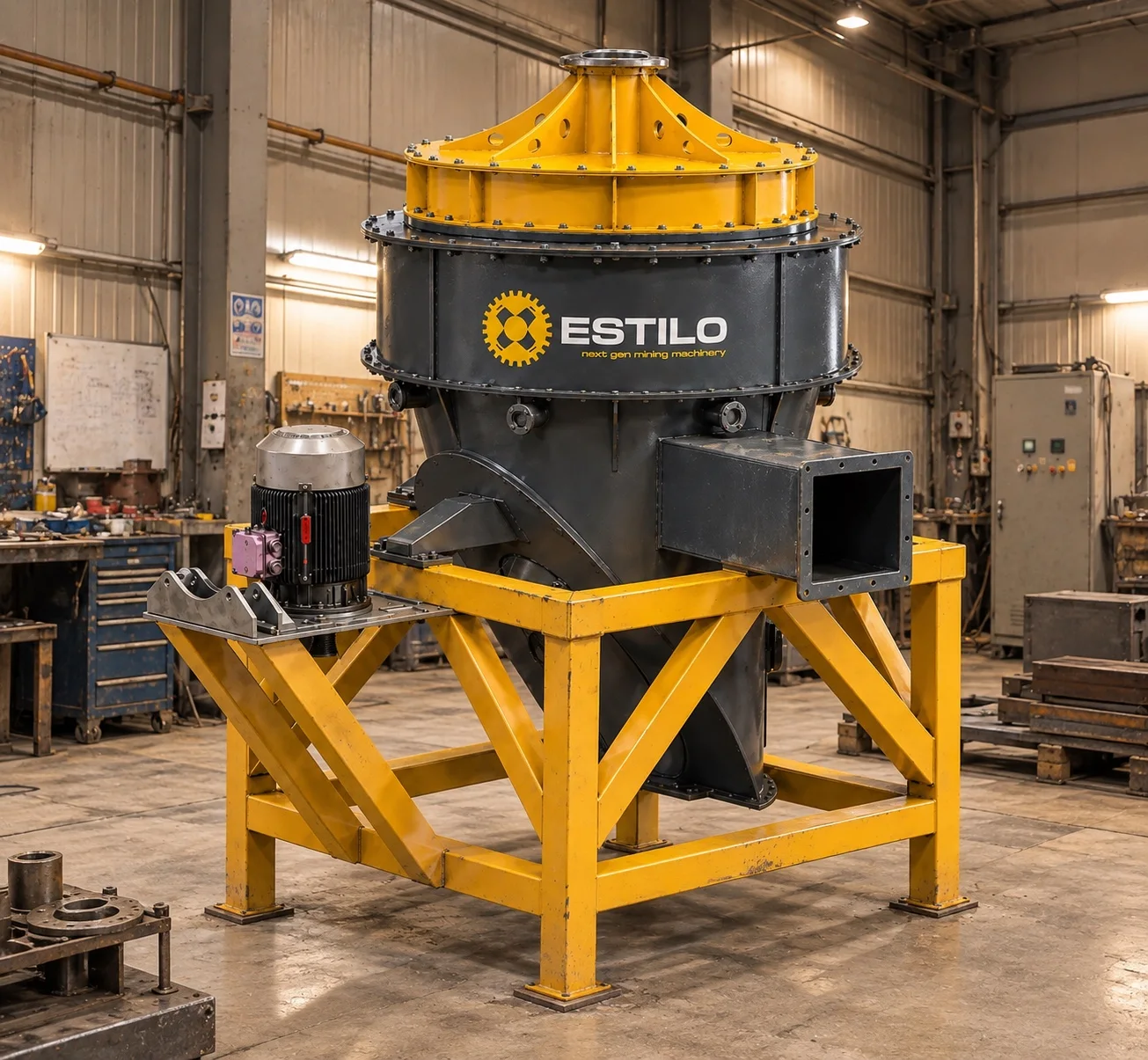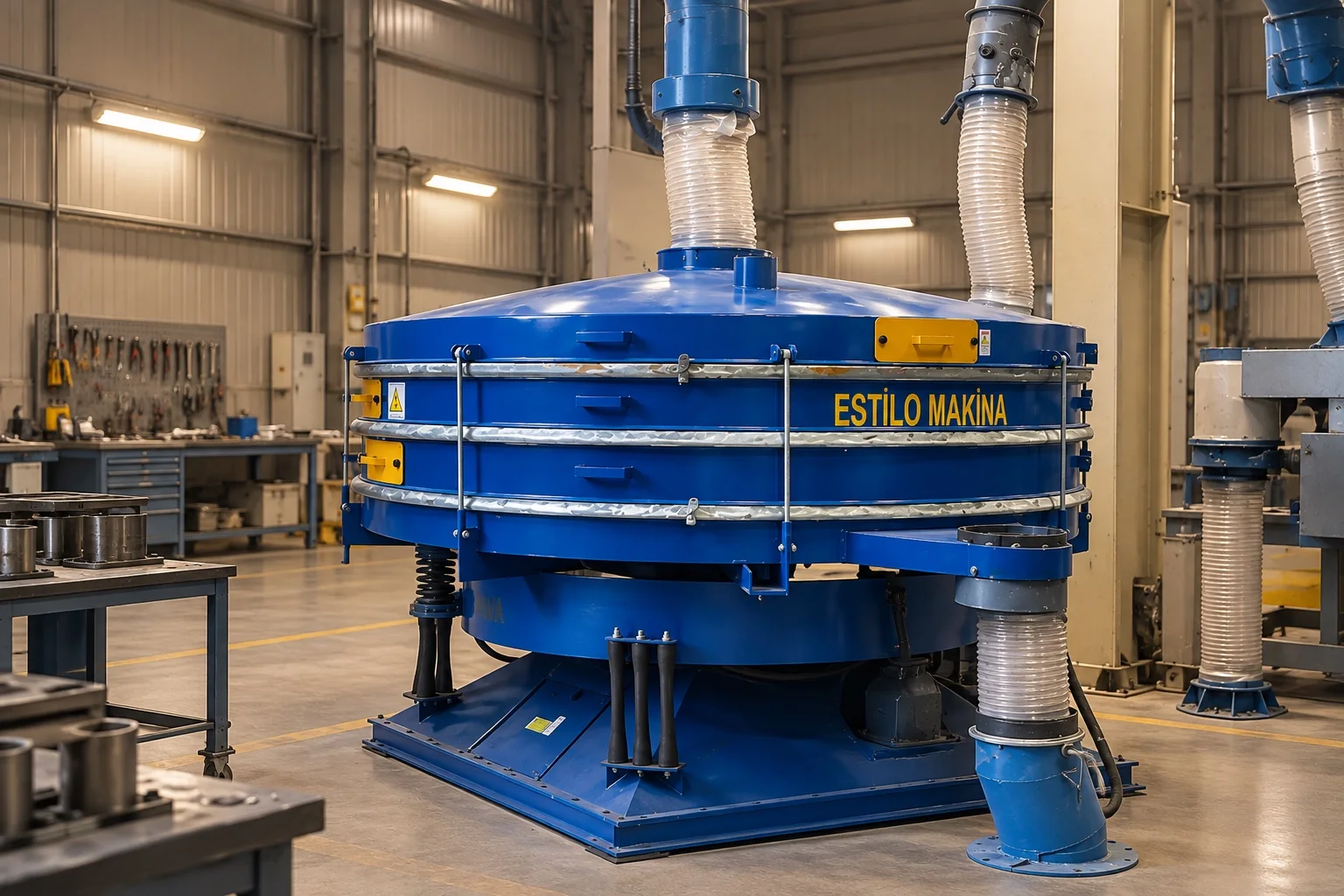

Mica is not one mineral but a silicate-mineral group whose members share a sheet-like structure and pronounced cleavage. Commercial ground mica is defined by morphology, purity and application-specific surface behaviour as well as fineness.
- Correct class
- Silicate-mineral group
- Critical behaviour
- Platy morphology and cleavage
- Process distinction
- Wet and dry grinding do not yield identical products
Why is mica a mineral group?
Members such as muscovite and phlogopite differ chemically but belong to the mica group because of their layered structure and ability to split into thin sheets. Source mineralogy influences colour, impurities and thermal behaviour.
Equipment and grade cannot therefore be selected from the word mica alone; the member mineral and associated minerals must be identified.
Why distinguish wet and dry grinding?
Dry grinding can prepare fine material, but the applied stress may turn platy particles into more granular fragments. Wet grinding may preserve lamellar shape for some quality targets, while introducing water management and downstream drying.
Mill selection depends on feed, target PSD and morphology. One grinding machine cannot be prescribed for every mica duty.
Industrial use and product definition
- Functional filler in coatings, plastics and building products
- Special formulations that use electrical or thermal behaviour
- Application-specific control of flake diameter, thickness, colour, purity and PSD
- Surface treatment or formulation needs included in the product definition
Process-design inputs
- Mica member and associated quartz or feldspar
- Feed moisture and wet or dry product route
- Target fineness and morphology to preserve
- Metal-contamination tolerance
- Screening, air classification and packaging limits