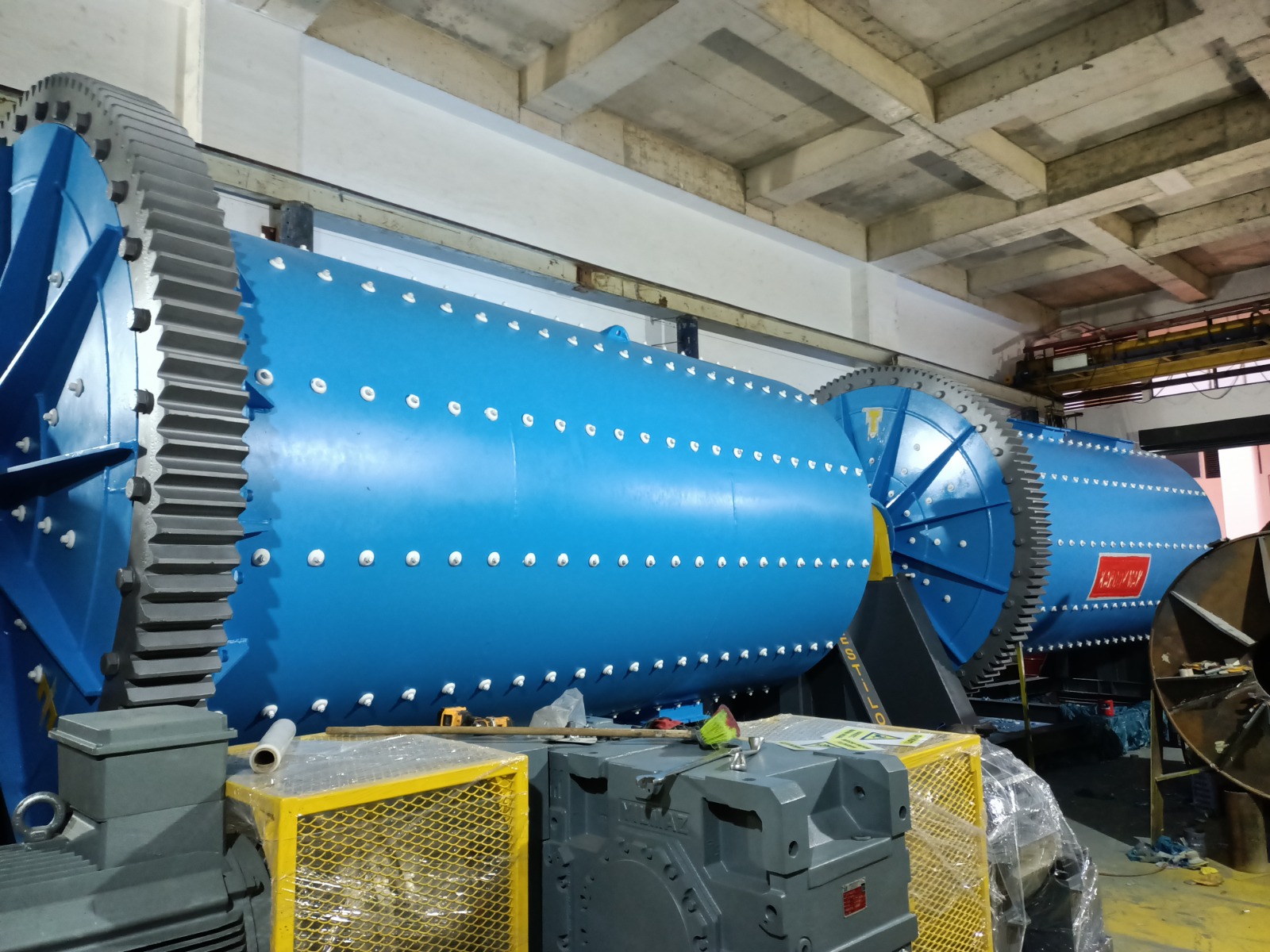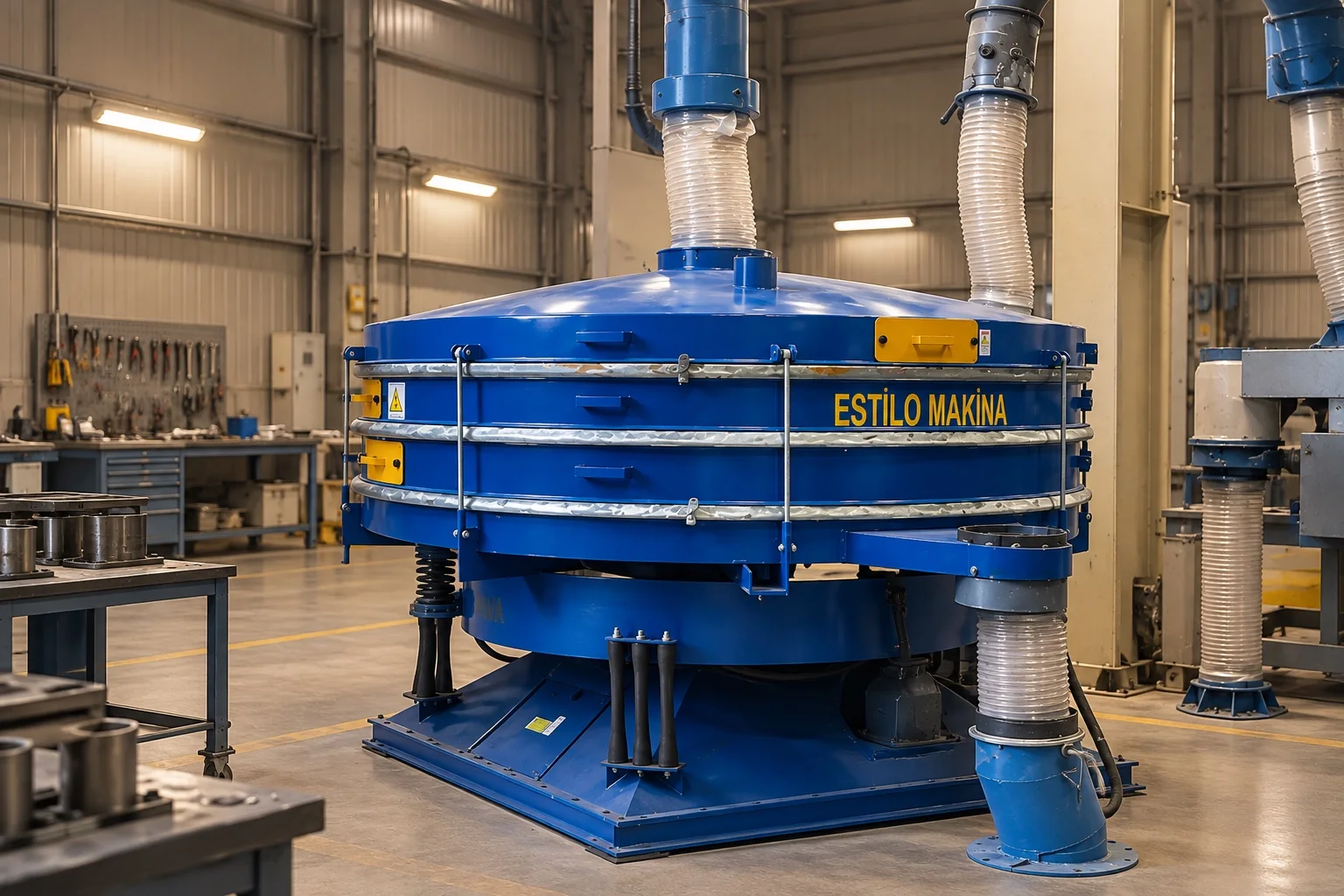

Magnesite is magnesium carbonate, MgCO₃. Thermal treatment can produce magnesia products with different reactivity; grinding and calcination are separate process functions.
- Formula
- MgCO₃
- Class
- Magnesium carbonate mineral
- Main transformation
- Magnesia production by calcination
Magnesite and magnesia
Magnesite is a natural mineral; magnesia is MgO-rich material made through thermal or chemical processing of magnesite or another magnesium source. Calcination history changes product reactivity and use.
Refractory feed quality depends not only on MgO potential but also silica, calcium, iron, boron and other impurities.
Industrial context
- Magnesia route for refractory bricks and high-temperature linings
- Reactive magnesia in construction, agriculture and environmental uses
- Chemical and metallurgical processes
- Sized feed before calcination
Feed preparation
Run-of-mine feed is sized through crushing, screening and washing where needed. PSD of kiln feed matters to heat transfer and uniform conversion.
Fine grinding may follow calcination for the final use, but raw and calcined magnesite should not be assumed to share the same breakage, dust or moisture behaviour.
Process-selection inputs
- Chemical and mineralogical identity of raw or calcined feed
- Target PSD before or after calcination
- Impurity and contamination tolerance
- Free moisture, temperature and product reactivity