
Dolomite is the carbonate mineral CaMg(CO₃)₂; dolomitic rock is a rock rich in that mineral. Commercial feed purity and associated minerals vary by deposit.
- Formula
- CaMg(CO₃)₂
- Class
- Carbonate mineral
- Term distinction
- Dolomite mineral and dolomitic rock are not identical terms
Mineral versus rock
The mineral name defines crystal chemistry; dolomitic rock describes the natural feed as a whole. Calcite, clay, silica or iron-bearing phases can alter colour, reactivity and grinding behaviour.
Dolomite, limestone and magnesite are related carbonate materials, but their magnesium-calcium balance and end uses differ.
Applications and grade context
- Qualified feed in glass, ceramics and construction materials
- Processed dolomite routes in metallurgical and refractory chains
- Specification-led filler and agricultural uses
- Size-controlled feed before calcination
Size-reduction approach
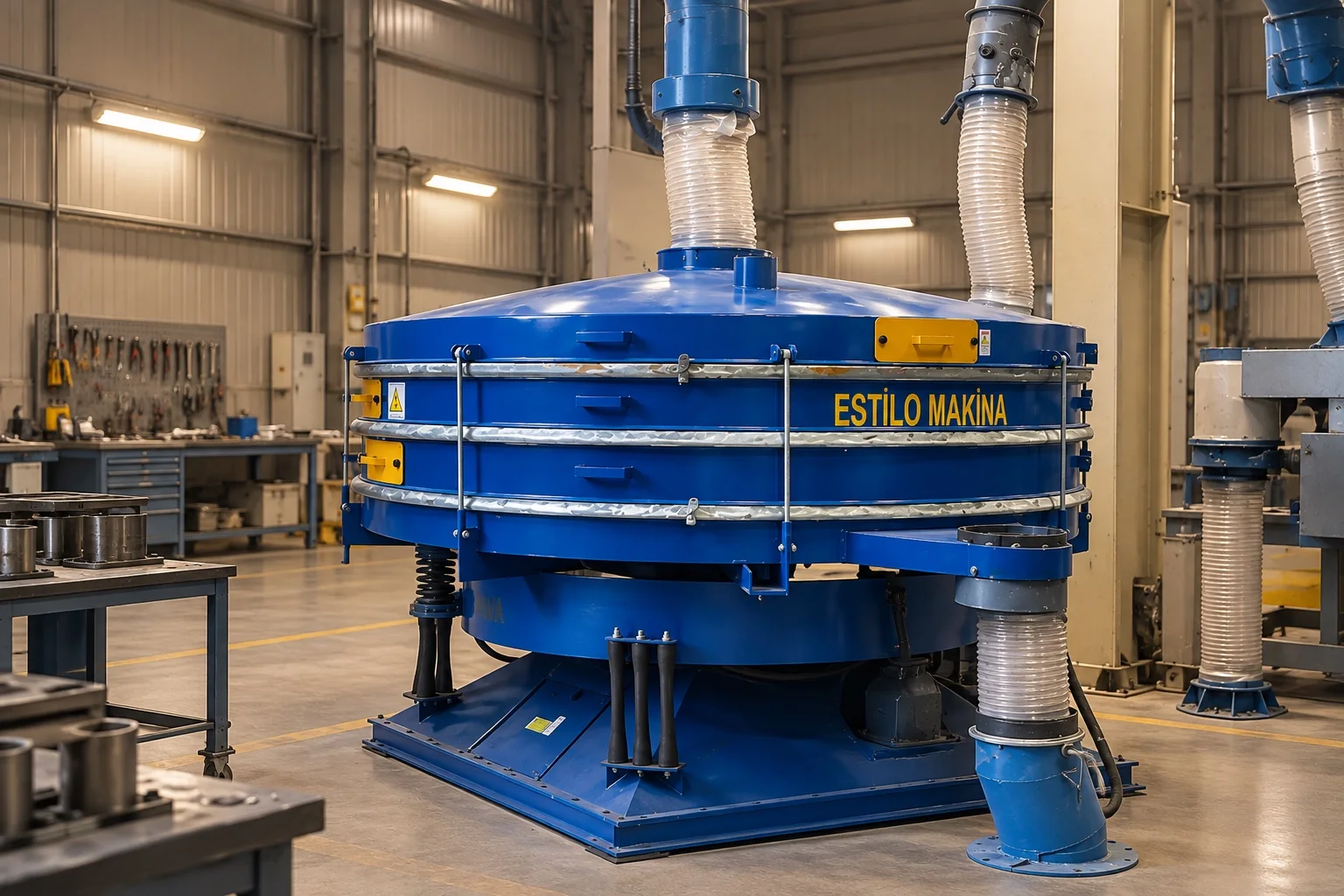
Chemical homogeneity matters alongside target PSD for dolomitic feed. Crushing and screening alone cannot remove deposit variability; sampling and blending form part of process control.
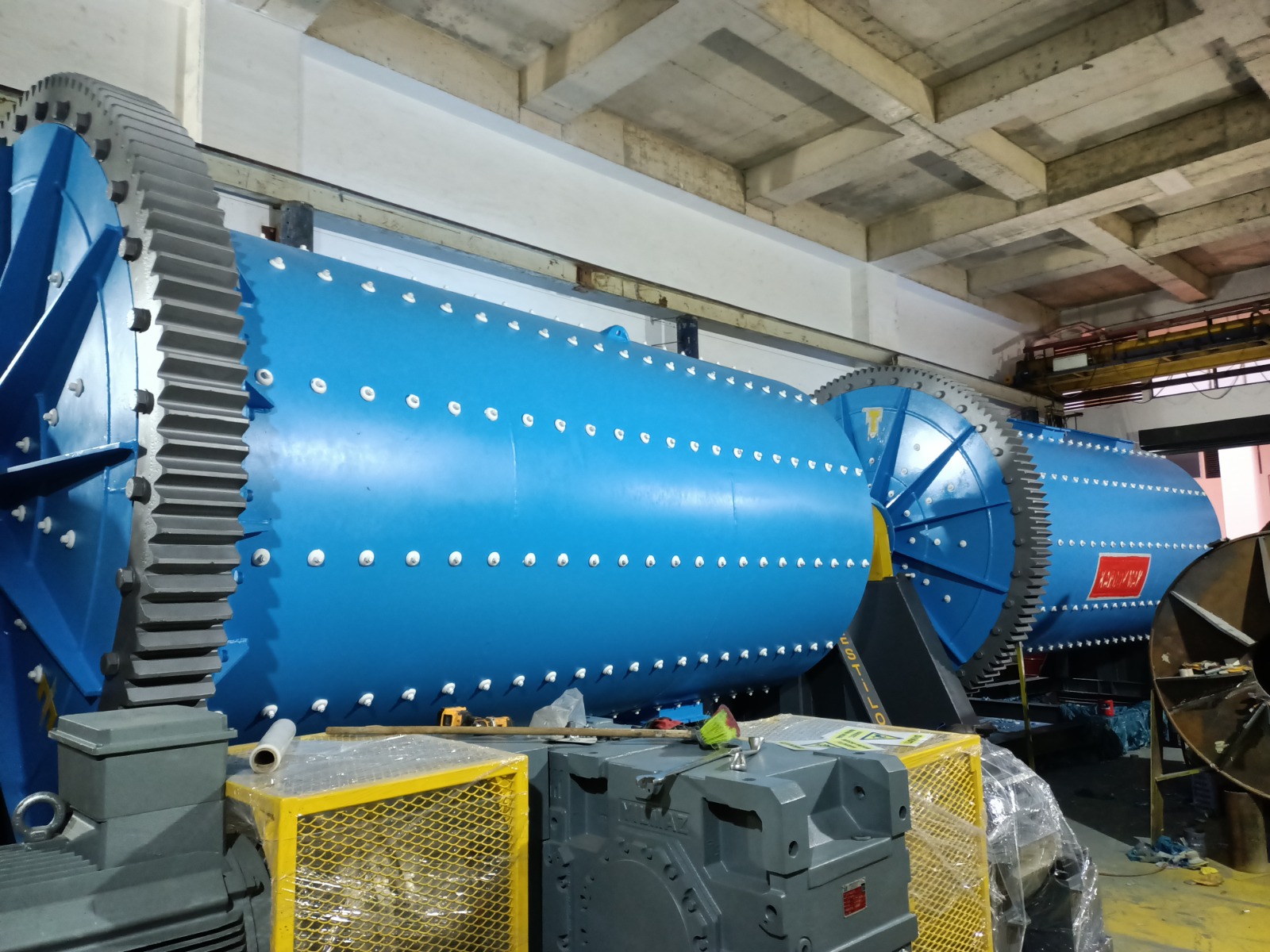
Hard silicate impurities can change wear and coarse-tail behaviour in a grinding circuit. Drying demand follows free moisture and the downstream route.
Engineering inputs
- Dolomite/calcite balance and impurity mineralogy
- Calcination, filler or other end use
- Feed and target product PSD
- Moisture, abrasive phases and contamination limit