
Pumice is a low-density volcanic rock containing abundant gas vesicles. Its porous, friable structure changes feeding, crushing, screening and dust behaviour compared with dense rock.
- Class
- Porous volcanic rock
- Distinctive structure
- Natural gas vesicles
- Process effect
- Low bulk density and friability
Natural structure of pumice
Pumice is vesicular rock formed as gas-rich magma cools rapidly. Internal voids reduce mass; water saturation, dense lithic fragments and alteration change commercial behaviour.
Pumice is not a glass expanded later like perlite. Its low density is natural, so the mechanical and thermal routes must remain distinct.
Applications
- Lightweight concrete and construction aggregate
- Abrasives and surface treatment
- Horticultural, absorbent and filter media
- Qualified pozzolanic and filler uses
Crushing and fractionation
Porous particles can disintegrate readily under impact; aggregate fractions and fine-powder duties need different breakage energy. Transfer drops and stock handling influence fines generation alongside crusher choice.
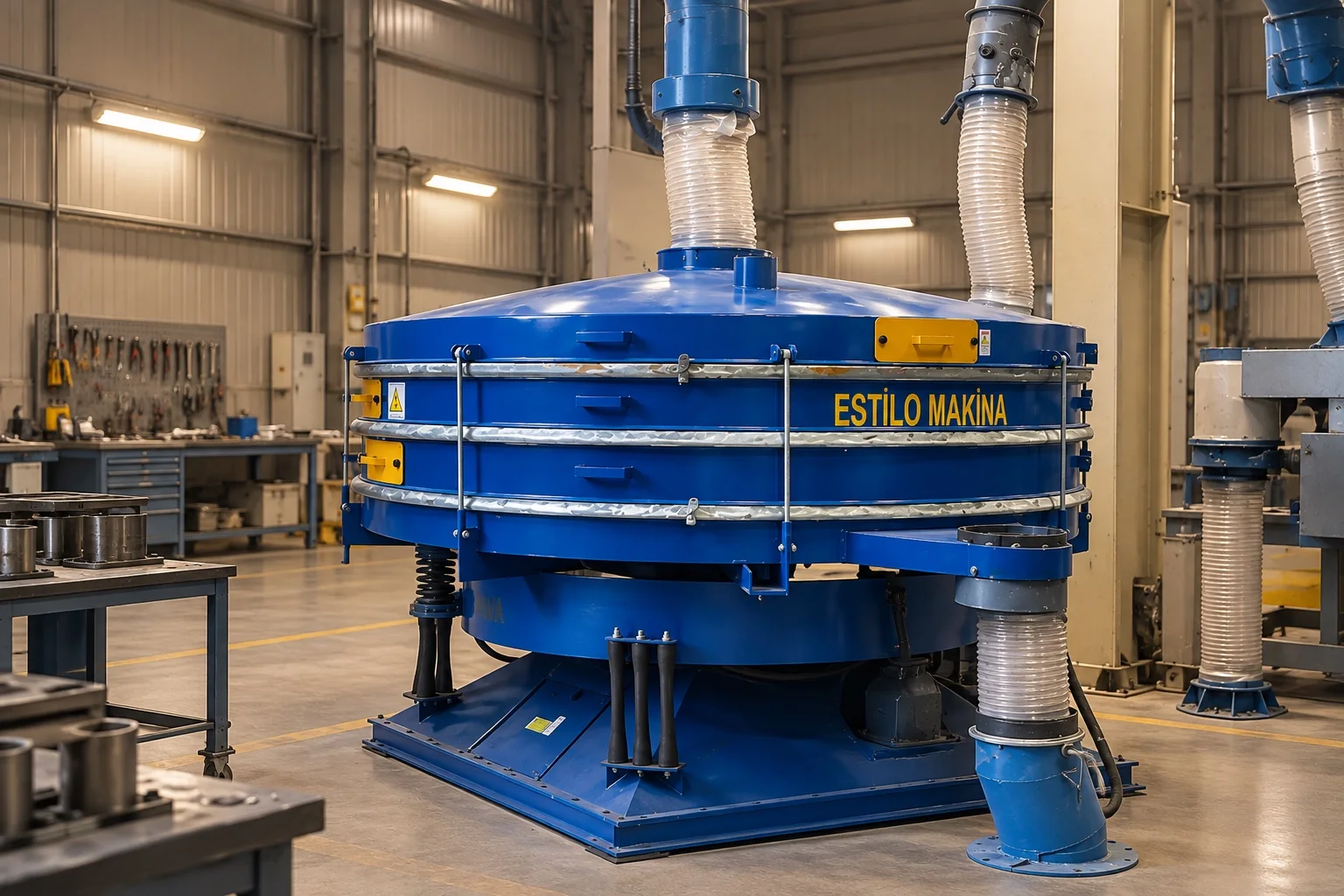
Screen duty responds to volumetric load as well as mass rate. Low bulk density means conveyors, bins and packing cannot be calculated from mineral density.
Selection inputs
- Porosity, moisture and dense lithic fragments
- Target aggregate or fine-powder fraction
- Permitted fines generation
- Volumetric capacity, dust control and packing