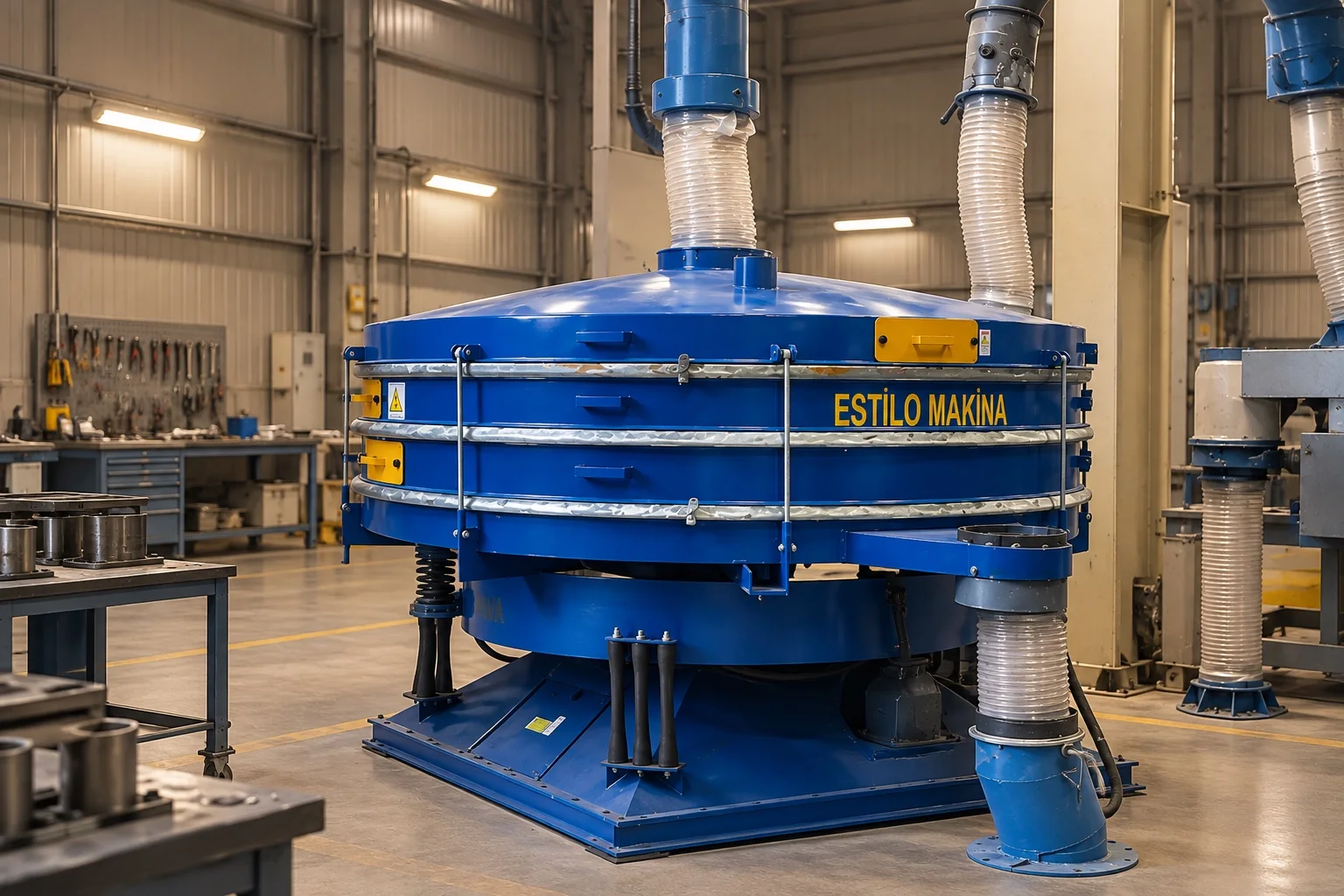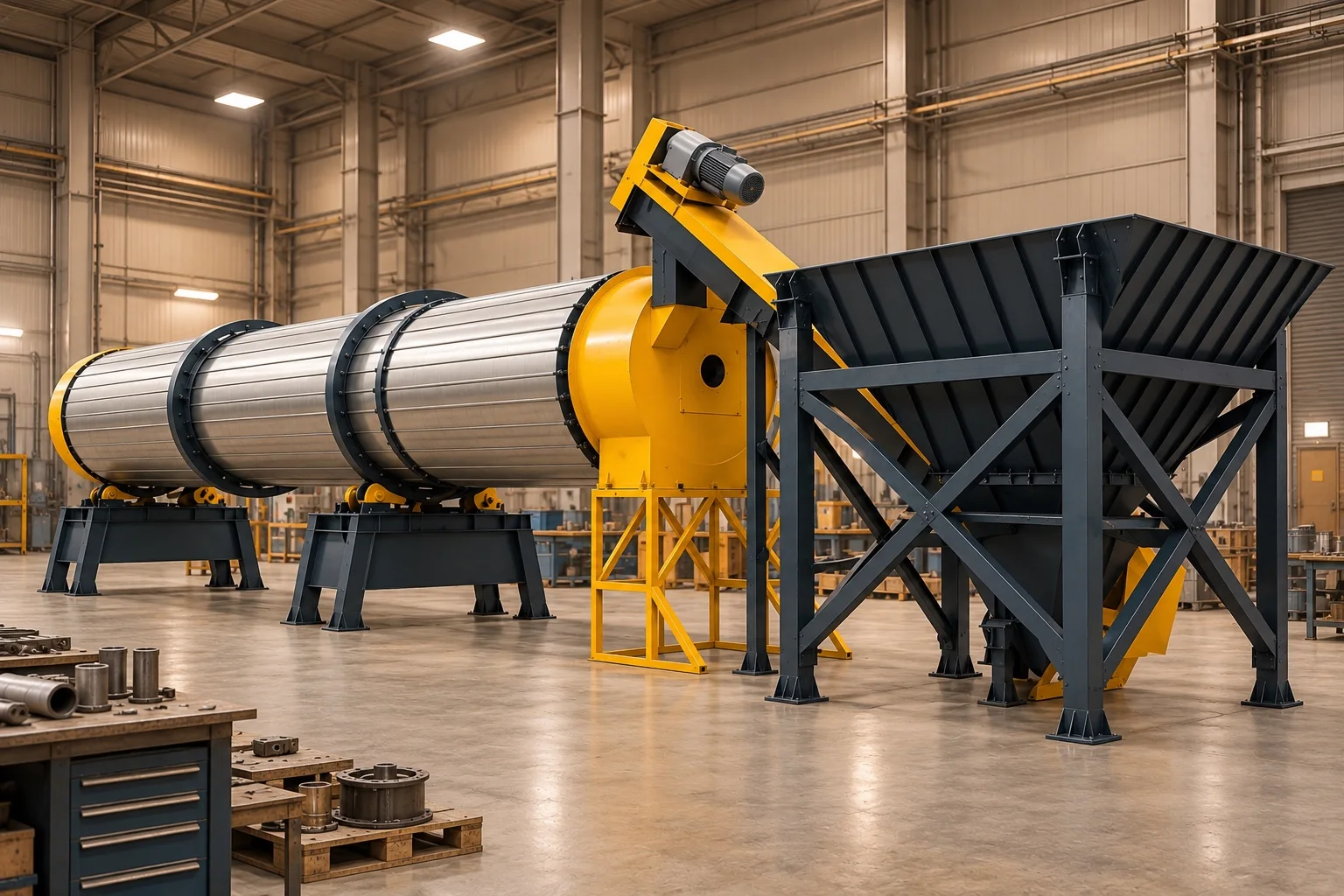

Perlite is a water-bearing volcanic glass that can expand when heated appropriately. Preparing raw perlite and handling or milling expanded low-bulk-density product are different duties.
- Class
- Water-bearing volcanic glass
- Main transformation
- Expansion under controlled heating
- Critical distinction
- Raw versus expanded perlite
Raw and expanded perlite
Raw perlite consists of dense glass particles prepared in a selected kiln-feed size range. Water in the structure flashes to steam under suitable heating and foams the glass, radically changing porosity and bulk density.
Expansion response depends on ore composition, bound water, particle size and furnace conditions; one universal result cannot be published.
Applications
- Lightweight construction and insulation
- Filtration and filler uses
- Horticulture and soil blends
- Qualified high-temperature and specialist formulations
Crushing, screening and thermal sequence
Raw ore is crushed and screened to a controlled expansion-furnace feed range. Excess fines can affect feeding and dust loss, while oversize changes heat transfer.
Expanded perlite is fragile and low in bulk density, so aggressive transfer or milling can damage the pore structure. Feeding and dust collection differ from raw material duties.
Process inputs
- Bound water and glass structure of raw ore
- Furnace-feed size range
- Pre-expansion drying condition
- Expanded-product bulk density, fragility and dust target