
Blast-furnace slag is an ironmaking by-product formed from ore gangue and fluxes in the blast furnace. Water-granulated glassy slag and air-cooled crystalline slag are different materials.
- Class
- Ironmaking industrial by-product
- Main distinction
- Granulated versus air-cooled slag
- Fine product
- Ground granulated blast-furnace slag (GGBFS)
Cooling history changes the material
Rapid granulation of molten slag can create glassy granules with latent hydraulic potential. Slow air cooling gives a more crystalline aggregate-like material.
Chemistry depends on blast-furnace burden and operation. Colour or source alone cannot verify suitability for cement use.
Industrial routes
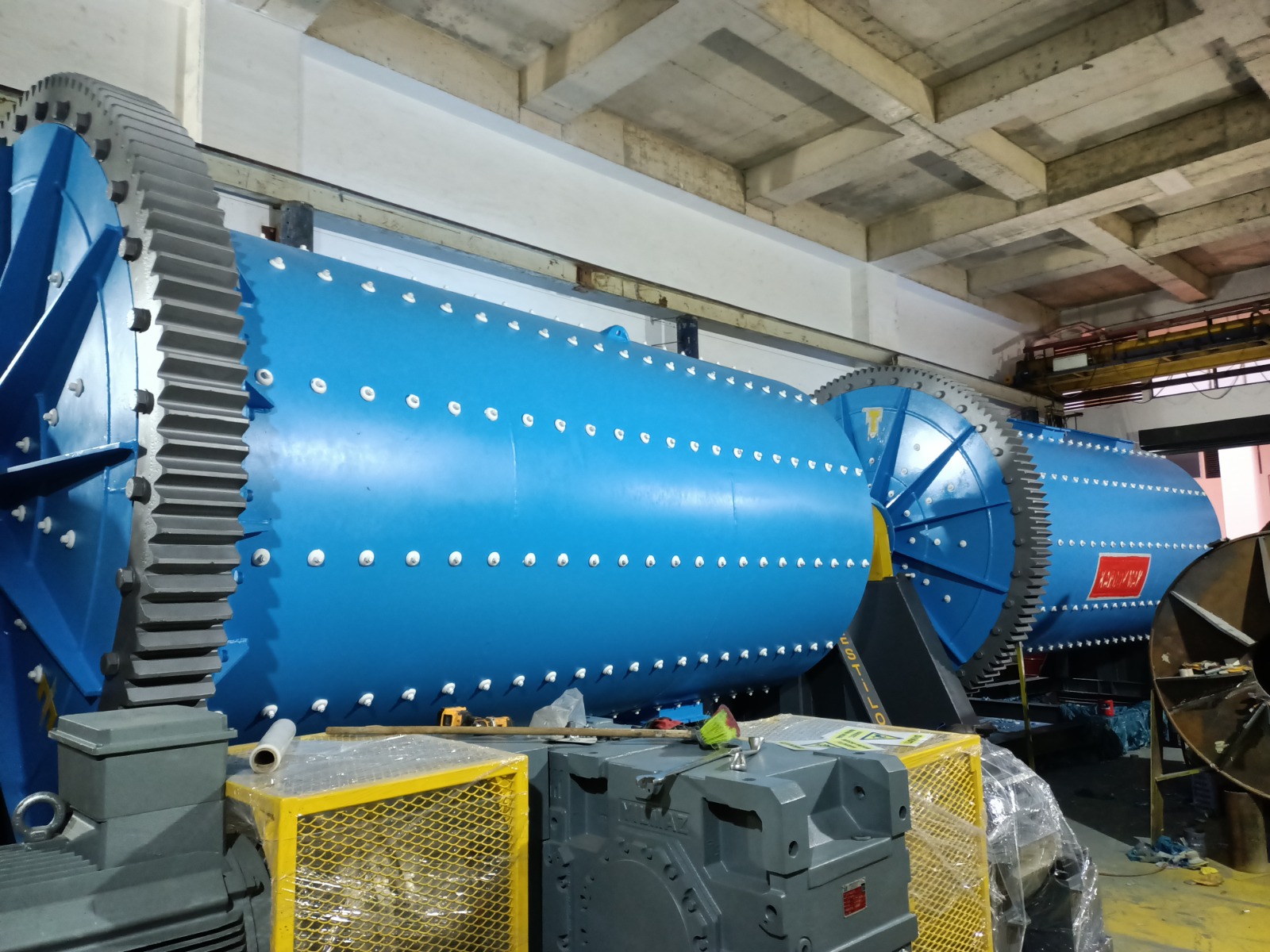
- Drying and grinding granulated slag for slag-cement/SCM routes
- Qualified aggregate uses for air-cooled slag
- Mineral wool and other specialist routes
- Metal recovery and fractionation
Drying and grinding
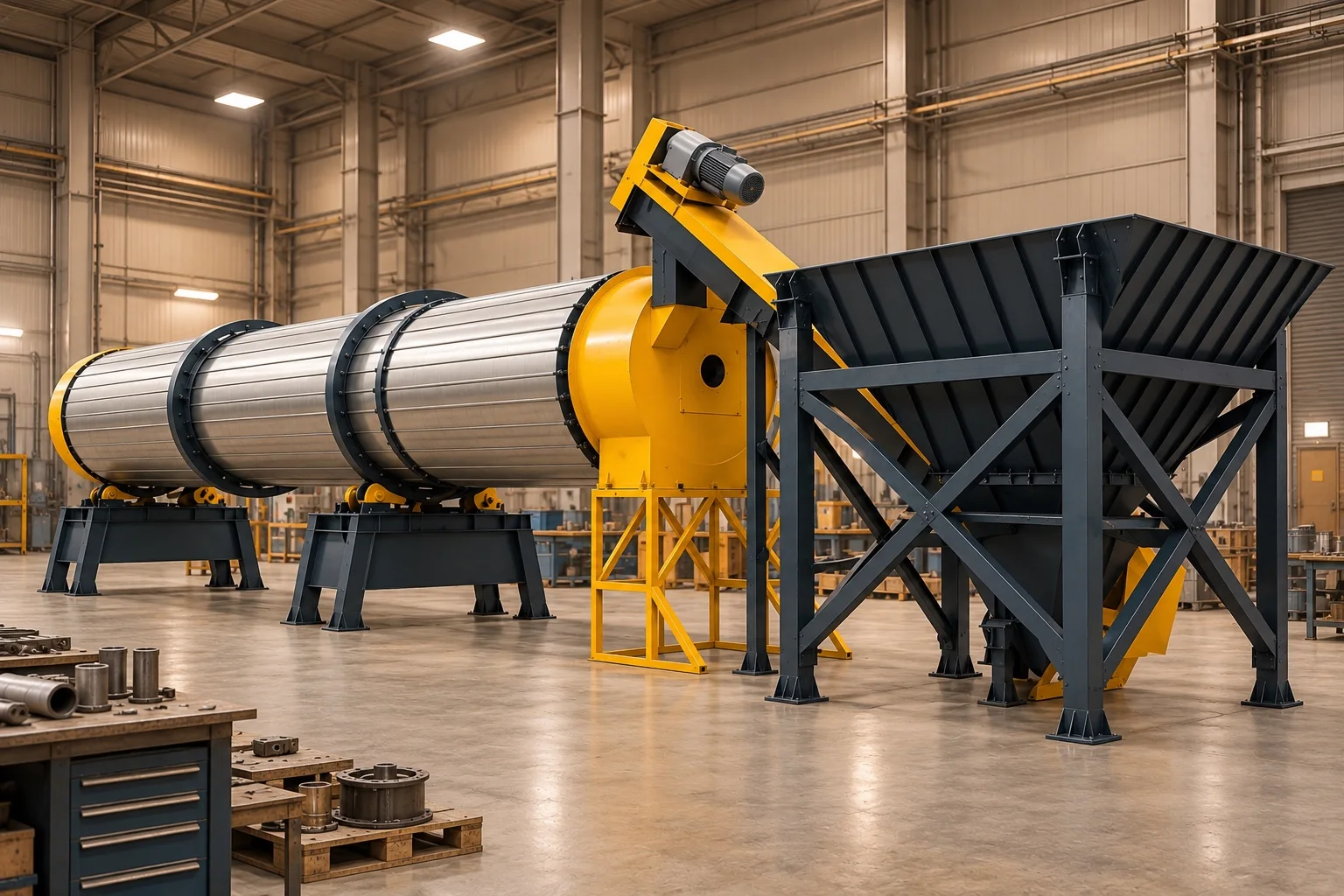
Water-granulated slag carries free moisture. Drying before fine grinding supports feeding and product transport; drying gas and dust collection belong to the circuit.
Glassy phase, moisture, hard particles and metallic inclusions affect wear and PSD. Magnetic separation or pre-screening may be required.
Difference from steel slag
Blast-furnace slag comes from ironmaking; steel slag comes from steelmaking. Free lime, metal content, volume stability and use criteria differ, so the materials are not merged into one generic slag page.
- Cooling/granulation route
- Free moisture and metallic content
- Glassy phase and intended use
- Target PSD and quality standard