
Clinker is a nodular industrial intermediate formed when proportioned cement raw materials react in a high-temperature kiln. Cement is made by finely grinding clinker with gypsum and defined additional constituents.
- Class
- Industrial cement intermediate
- Natural mineral?
- No
- Main next step
- Grinding with controlled constituents
Why clinker is not a mineral
Clinker is not a single natural mineral. It is a multiphase material created by kiln reactions in raw meal prepared from limestone, clay and corrective components.
Nodule mineralogy and grindability vary with raw mix, kiln and cooling history. The word clinker does not define one fixed grinding response.
Role in cement manufacture
- Intermediate discharged from kiln and cooler
- Principal component in cement grinding with gypsum
- Blending with limestone, slag or pozzolans for defined cement types
- Silo, dosing and quality-control chain
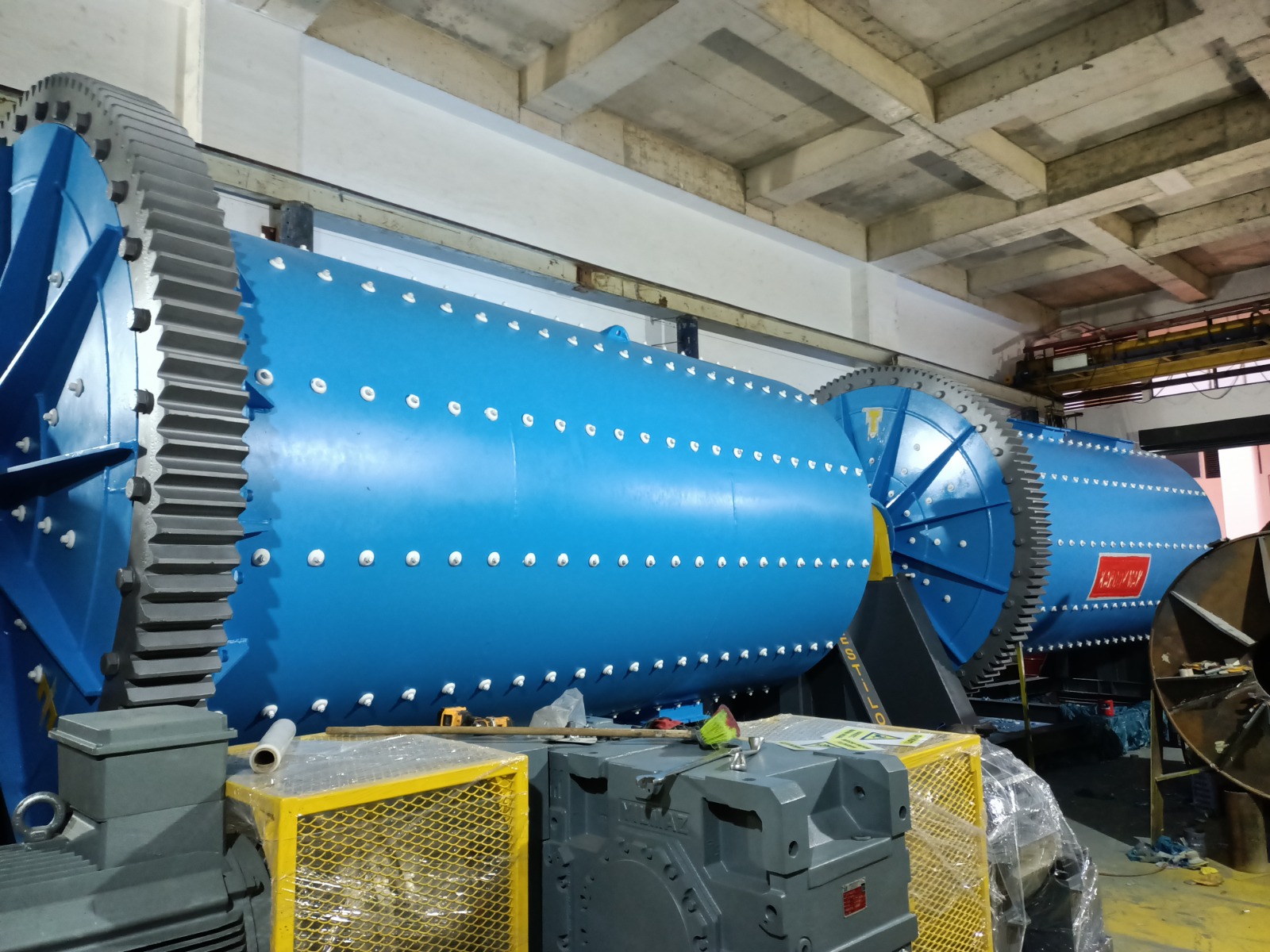
Clinker grinding
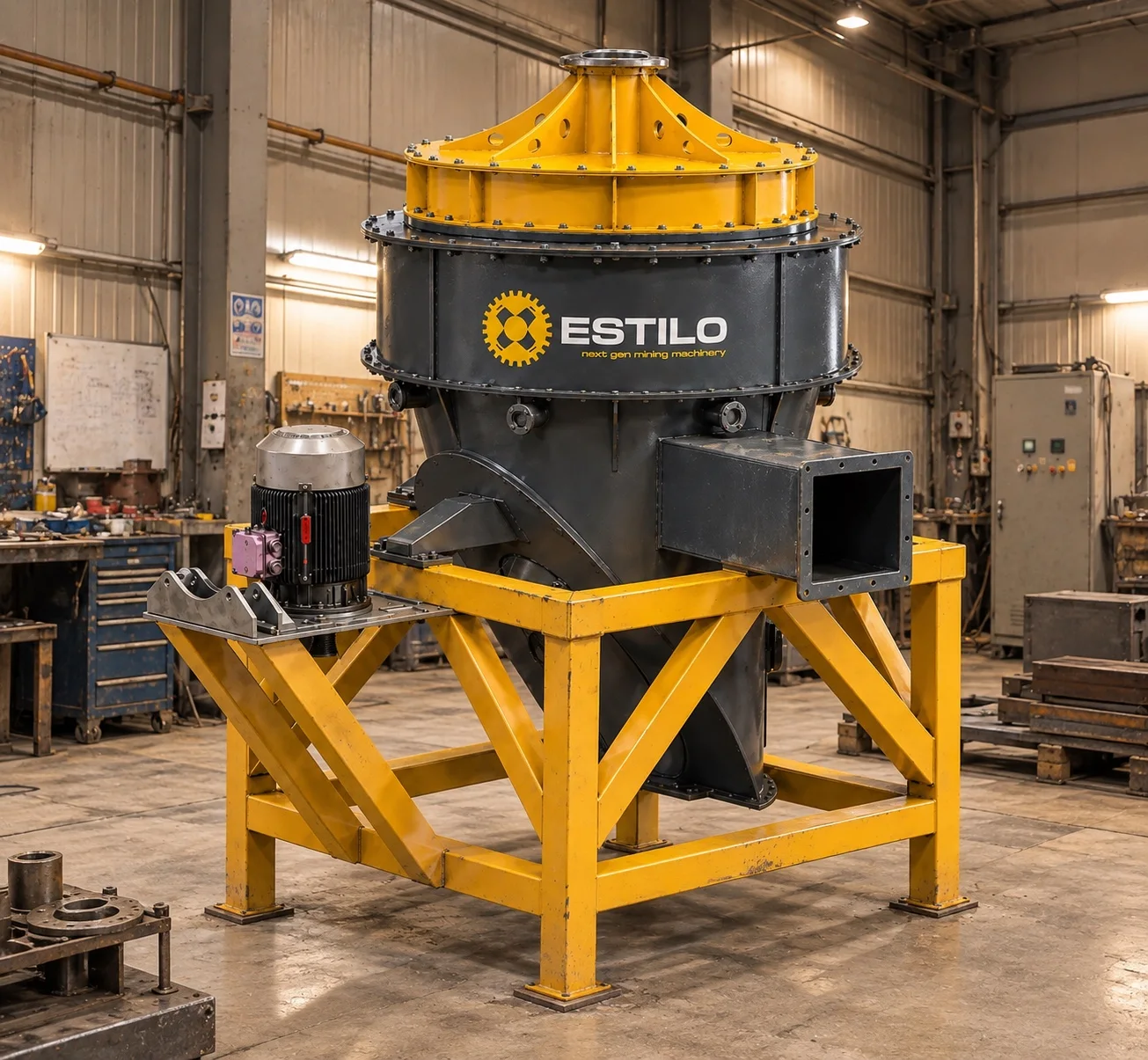
The target is not fineness alone. PSD, grinding temperature, gypsum dehydration, dosing stability and energy are managed together. In a closed circuit, a separator divides product and return streams.
Cooling history and nodule structure affect grindability. Mill size or capacity cannot be selected from a general article; representative material and process data are required.
Boundary from cement raw materials
The cement-raw-material page targets pre-kiln raw-meal preparation; this page targets post-kiln clinker grinding. They represent different process stages.
- Clinker mineralogy and temperature
- Target cement type and constituent dosing
- Product PSD and set control
- Closed-circuit separator and collection