
Silica denotes the chemical composition SiO₂; quartz is a crystalline mineral form. Silica sand is an industrial sand commonly rich in quartz, but purity, grain shape and impurities vary by deposit.
- Chemical link
- SiO₂
- Material form
- Quartz-rich granular industrial sand
- Critical distinction
- Silica is composition; quartz a mineral; silica sand a feed
Silica, quartz and sand
Quartz contains SiO₂, but not every silica product is quartz sand. Amorphous silica, cristobalite and processed silica products have different identities and health/process conditions.
The label silica sand does not by itself mean glass or foundry grade. Iron, clay, heavy minerals, grain shape and distribution determine end use.
Industrial applications
- Glass and foundry sand
- Ceramic and chemical feed
- Filtration and qualified construction uses
- Finely ground silica flour and functional filler
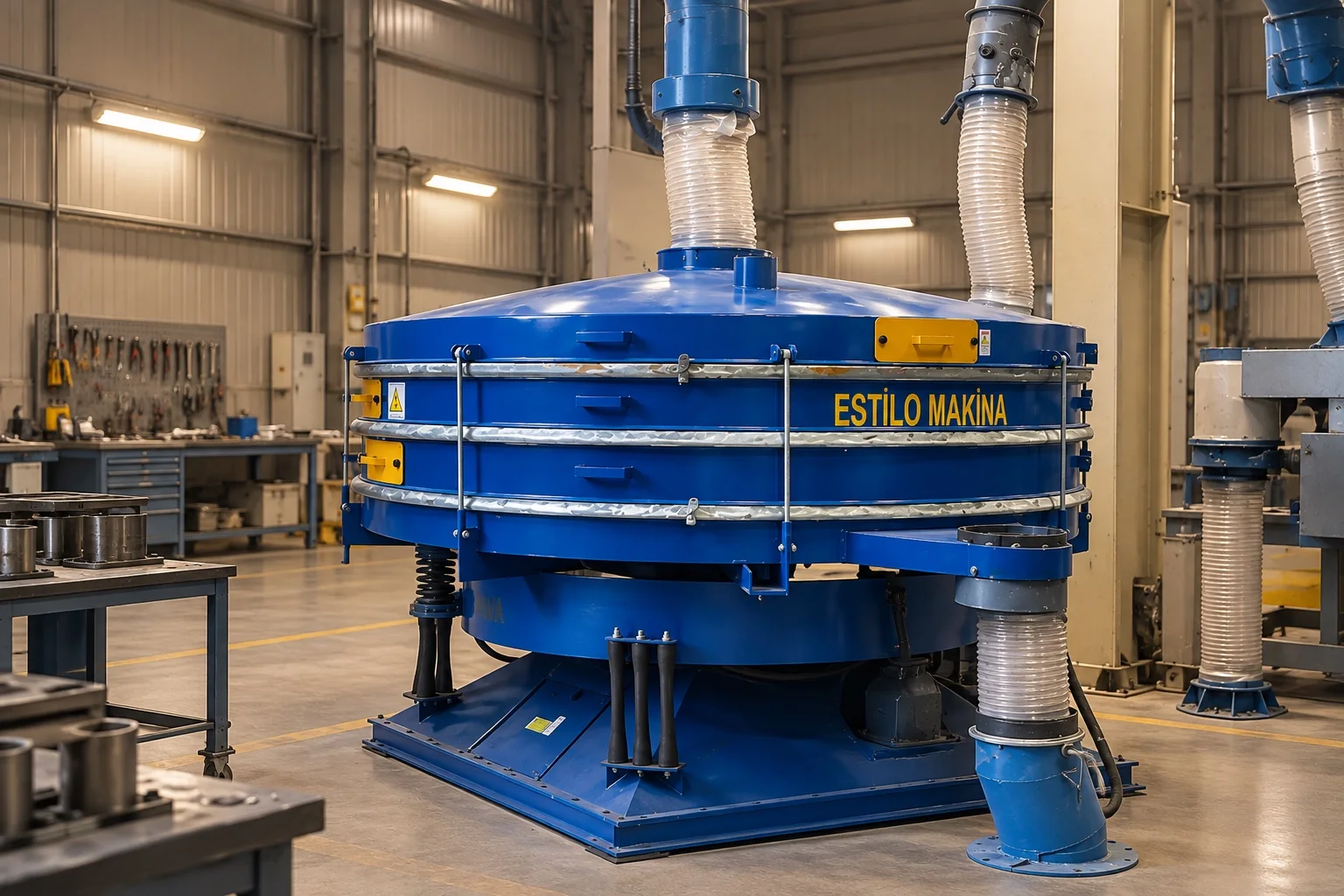
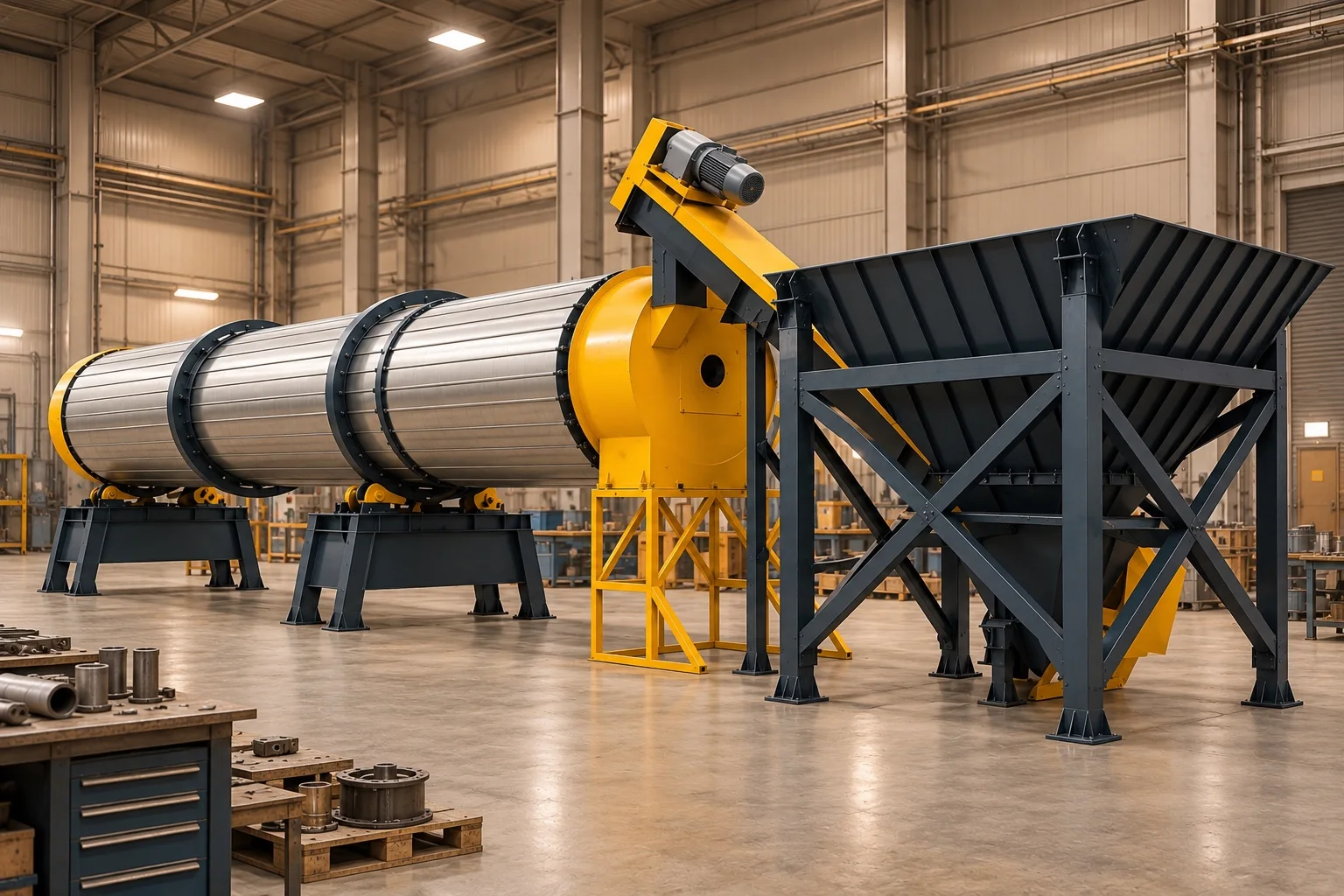
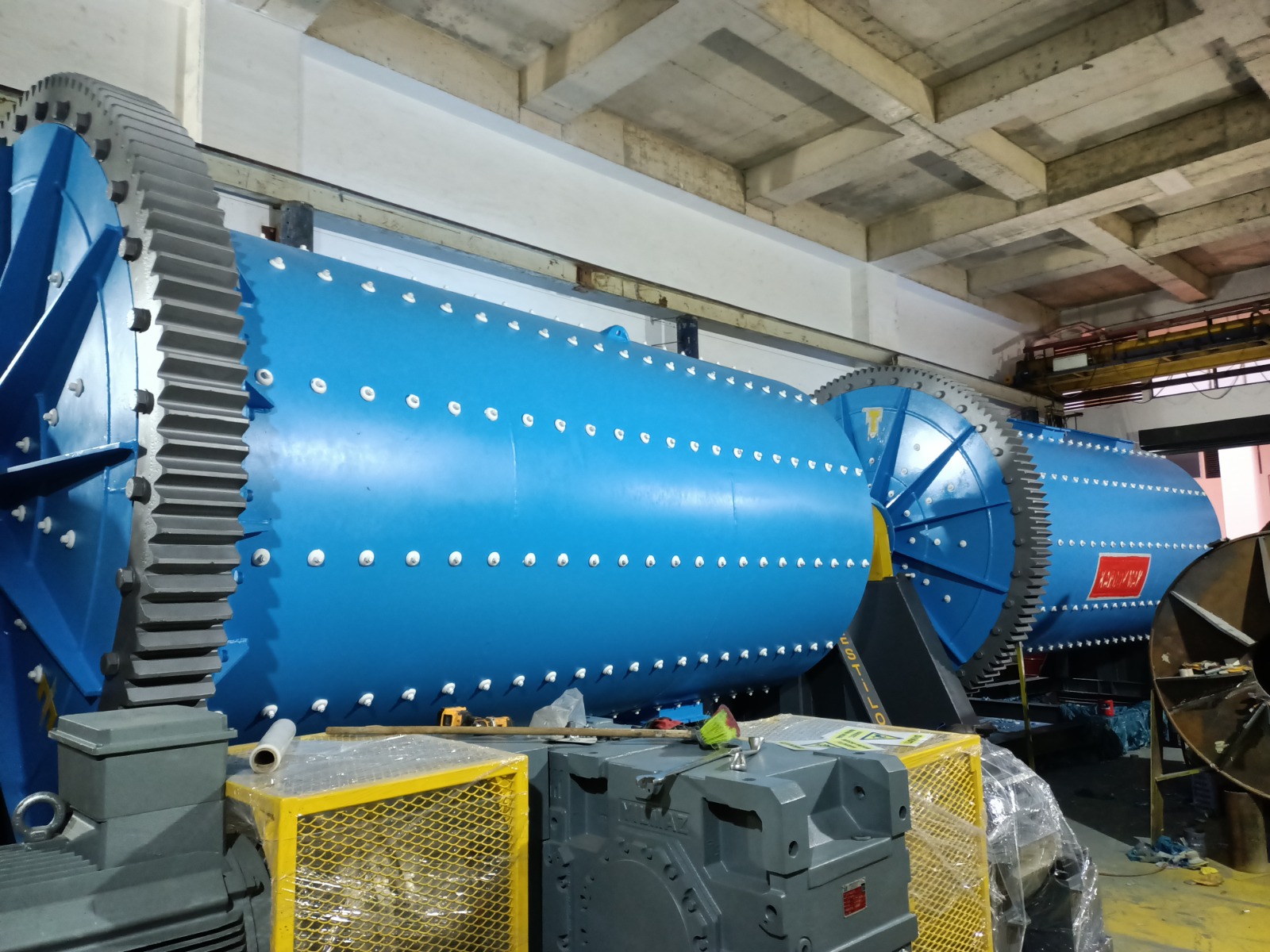
Washing, screening and fine grinding
Sand preparation uses washing and classification to control clay and fines, while mechanical screening separates size fractions. Drying may be required before final dry screening or milling.
For silica flour, quartz abrasiveness makes liners, media, metal contamination and dust control critical. Occupational controls for crystalline-silica exposure belong in process design.
How this differs from the quartz article
The existing quartz-grinding-plant article explains a complete hard-quartz flowsheet and the verified Kütahya application. This page focuses on granular silica-sand preparation, silica terminology and the process requirements of this feed material.
- Grain shape, distribution and clay coating
- SiO₂ purity and iron-bearing impurities
- Washing versus dry route
- Sand fraction or silica-flour target